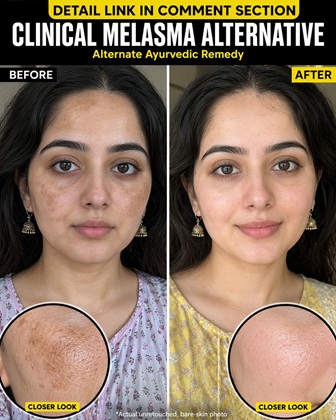
The image clearly shows a case of facial melasma, characterized by uneven brown or grayish patches, especially across the cheeks, forehead, and upper lip. This condition is often linked to excess melanin production triggered by sun exposure, hormonal imbalance, stress, or inflammation. Melasma can significantly impact confidence, as it creates an uneven skin tone and dull appearance.
The encouraging part is that with consistent care and scientifically supported natural remedies, melasma can be gradually reduced. This article outlines targeted, skin-type-specific home remedies, along with diet and lifestyle strategies that support internal healing and visible skin improvement.
Specific Remedies
Remedy 1: For Oily Skin
Ingredients:
- 2 tablespoons fresh aloe vera gel
- 1 teaspoon lemon juice
- 1 teaspoon rose water
- 1 teaspoon cucumber juice
- 1 teaspoon sandalwood powder
The Science Behind It:
Aloe vera contains aloesin, which inhibits tyrosinase activity, reducing melanin production. Lemon juice is rich in citric acid, which gently exfoliates pigmented cells. Rose water balances sebum production while soothing inflammation. Cucumber juice hydrates and cools the skin, reducing irritation-induced pigmentation. Sandalwood powder has natural skin-brightening and anti-inflammatory properties that help fade dark patches.
Procedure:
Mix all ingredients into a smooth paste. Apply evenly on clean skin and leave for 15 minutes. Rinse with lukewarm water.
How Often to Apply:
Apply once daily for 10–14 days.
Initial Results:
Within 2–3 days, skin appears fresher, less oily, and slightly brighter.
Remedy 2: For Dry Skin
Ingredients:
- 2 tablespoons raw milk
- 1 teaspoon honey
- 1 teaspoon almond oil
- 1 teaspoon turmeric powder
- 1 teaspoon mashed banana
The Science Behind It:
Raw milk contains lactic acid, which gently exfoliates and promotes cell turnover. Honey acts as a humectant, retaining moisture and aiding skin repair. Almond oil is rich in vitamin E, which protects against oxidative damage. Turmeric contains curcumin, a potent anti-inflammatory compound that reduces pigmentation. Banana provides hydration and potassium, improving skin elasticity.
Procedure:
Blend ingredients into a creamy mixture. Apply on the face and leave for 20 minutes. Rinse gently.
How Often to Apply:
Apply on alternate days for 2 weeks.
Initial Results:
Within 3 days, dryness reduces, and skin appears more nourished and even-toned.
Remedy 3: For Combination Skin
Ingredients:
- 1 tablespoon yogurt
- 1 teaspoon multani mitti (Fuller’s earth)
- 1 teaspoon tomato pulp
- 1 teaspoon honey
- 5 drops vitamin E oil
The Science Behind It:
Yogurt contains lactic acid that exfoliates dead skin cells and lightens pigmentation. Multani mitti absorbs excess oil while tightening pores. Tomato pulp is rich in lycopene, which protects against UV-induced pigmentation. Honey balances hydration, and vitamin E repairs damaged skin cells and improves skin tone.
Procedure:
Mix ingredients thoroughly and apply evenly. Leave for 15 minutes and rinse off.
How Often to Apply:
Use 3–4 times a week.
Initial Results:
Skin starts to feel balanced, with reduced dullness within 2 days.
Remedy 4: For Sensitive Skin
Ingredients:
- 2 tablespoons oatmeal powder
- 1 tablespoon chamomile tea (cooled)
- 1 teaspoon honey
- 1 teaspoon aloe vera gel
- 1 teaspoon cucumber juice
The Science Behind It:
Oatmeal has anti-inflammatory compounds called avenanthramides that calm irritated skin. Chamomile reduces redness and inflammation. Honey promotes healing while maintaining moisture. Aloe vera suppresses melanin production. Cucumber soothes and cools sensitive skin, preventing further pigmentation.
Procedure:
Create a soft paste and gently apply. Leave for 10–15 minutes and rinse with cool water.
How Often to Apply:
Apply daily for 7–10 days.
Initial Results:
Within 2 days, redness reduces, and skin feels calmer and smoother.
Remedy 5: For Normal Skin
Ingredients:
- 1 tablespoon papaya pulp
- 1 teaspoon honey
- 1 teaspoon lemon juice
- 1 teaspoon yogurt
- 1 teaspoon rice flour
The Science Behind It:
Papaya contains papain enzyme that exfoliates and removes pigmented cells. Honey hydrates and repairs skin. Lemon juice brightens complexion. Yogurt promotes cell renewal, while rice flour provides mild exfoliation and improves skin texture.
Procedure:
Mix ingredients and apply evenly. Leave for 15 minutes before rinsing.
How Often to Apply:
Use daily for 10 days.
Initial Results:
Skin looks visibly smoother and brighter within 2–3 days.
Targeted Diet Plan for Healing
Vegetarian Diet Plan
- Spinach and beetroot (rich in iron and antioxidants)
- Carrots (high in beta-carotene for skin repair)
- Turmeric milk (anti-inflammatory support)
- Citrus fruits like oranges and lemons (vitamin C boosts collagen)
- Nuts and seeds (vitamin E for skin protection)
- Whole grains (support hormonal balance)
Non-Vegetarian Diet Plan
- Fatty fish like salmon (omega-3 reduces inflammation)
- Eggs (rich in protein and biotin for skin repair)
- Chicken (lean protein for tissue regeneration)
- Liver (high in iron and vitamin A)
- Bone broth (supports collagen production)
Diabetic-Friendly Diet Plan
- Bitter gourd (regulates blood sugar)
- Lentils (low glycemic index protein source)
- Leafy greens (improve insulin sensitivity)
- Chia seeds (fiber-rich and stabilizes glucose levels)
- Green apples (low sugar fruit option)
Heart Patient-Friendly Diet Plan
- Oats (reduce cholesterol levels)
- Avocados (healthy fats for skin and heart)
- Olive oil (anti-inflammatory benefits)
- Walnuts (omega-3 fatty acids)
- Berries (antioxidants for vascular health)
Final Tips & Conclusion
Consistent skincare combined with internal nourishment is essential for treating melasma effectively. Always protect your skin from direct sun exposure, as UV radiation is one of the primary triggers for melasma. Maintain proper hydration by drinking at least 8–10 glasses of water daily. Ensure adequate sleep, as hormonal imbalance due to stress and fatigue can worsen pigmentation.
Avoid harsh chemical products that may irritate the skin and worsen melasma. Always perform a patch test before applying any remedy. Keep your skincare tools clean to prevent inflammation or infection.
Summary:
This approach combines natural topical remedies tailored to your skin type, a nutrient-rich diet that targets pigmentation from within, and supportive lifestyle habits. Together, they help regulate melanin production, repair damaged skin cells, and restore a more even complexion.
Timeline:
Follow this routine consistently for at least 14 days to start noticing visible improvements. For deeper pigmentation, continue for up to 4 weeks.
Mandatory Medical Disclaimer:
If the problem persists after this period, you must see a certified doctor or healthcare professional.