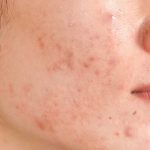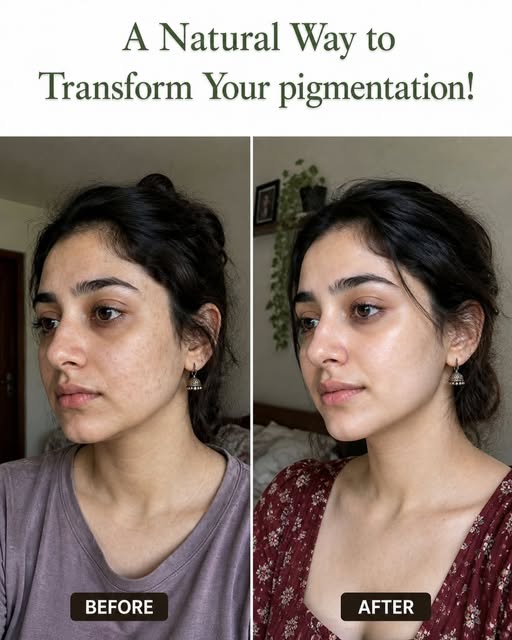
Pigmentation can make the skin look uneven, dull, tired, or older than it really is. Dark patches, sun spots, acne marks, melasma-like discoloration, and uneven tone often affect confidence because the face may not look as fresh or balanced as before. While severe pigmentation may need medical treatment, mild uneven tone can often be supported with gentle home care, sun protection, hydration, and a nutrient-rich diet.
Natural remedies work best when they are chosen according to skin type. Oily skin needs ingredients that balance excess sebum. Dry skin needs moisture-supporting ingredients. Sensitive skin needs calming ingredients that do not irritate the barrier. The goal is not to bleach the skin, but to support healthy cell turnover, reduce dullness, calm inflammation, and gradually improve the look of dark patches.
Always do a patch test before applying any new remedy. Apply a small amount near the jawline or behind the ear and wait 24 hours. Avoid lemon juice, baking soda, toothpaste, and harsh scrubs, as they can worsen pigmentation by irritating the skin.
Remedy 1: For Normal Skin
Ingredients
- Raw honey – 1 teaspoon
Honey contains natural humectants and mild antioxidants. It helps keep the skin hydrated while supporting a smoother-looking surface. - Aloe vera gel – 1 teaspoon
Aloe vera contains polysaccharides that calm the skin and support skin repair. It may help reduce the look of post-inflammatory marks. - Rice flour – 1 teaspoon
Rice flour gives very mild physical exfoliation and contains compounds that may help brighten the appearance of dull skin. - Yogurt – 1 teaspoon
Yogurt contains lactic acid, a gentle alpha hydroxy acid that supports removal of dead skin cells and improves surface clarity. - Cucumber juice – 1 teaspoon
Cucumber is rich in water and soothing compounds. It helps reduce temporary puffiness and gives a cooling effect. - Turmeric – 1 small pinch
Turmeric contains curcumin, known for antioxidant and anti-inflammatory properties. In very small amounts, it may help calm uneven-looking skin.
Scientific Working of the Remedy
This remedy works by combining hydration, mild exfoliation, and soothing support. Lactic acid from yogurt loosens dead skin cells that can make pigmentation appear darker. Aloe vera and cucumber reduce irritation, which is important because inflamed skin can produce more melanin. Honey helps maintain moisture so the skin does not feel tight after exfoliation. A tiny pinch of turmeric adds antioxidant support without making the mask too strong.
Procedure
Mix honey, aloe vera gel, yogurt, cucumber juice, rice flour, and turmeric in a clean bowl. Make a smooth paste. Wash your face with plain water and pat dry. Apply a thin layer to the pigmented areas or the full face, avoiding the eye area. Leave it on for 10–12 minutes. Wet your fingers and gently massage for 20 seconds, then rinse with cool water. Apply a light moisturizer afterward.
How Often to Apply
Use this remedy once daily for 3 days. After that, continue 3 times a week for 4–6 weeks.
Initial Results
Within 1–3 days, the skin may look fresher, softer, and less dull. Pigmentation usually takes longer to fade, but the face may appear more even and hydrated early on.
Remedy 2: For Combination Skin
Ingredients
- Green tea – 2 teaspoons, cooled
Green tea contains catechins, which are antioxidants that help protect the skin from oxidative stress. - Aloe vera gel – 1 teaspoon
Aloe vera helps calm dry areas while feeling light enough for oily zones. - Oat powder – 1 teaspoon
Oats contain beta-glucans and soothing compounds that support the skin barrier. - Tomato pulp – 1 teaspoon
Tomato contains lycopene and mild natural acids that can support a brighter-looking complexion. - Honey – ½ teaspoon
Honey gives light hydration without making the T-zone too greasy. - Sandalwood powder – ½ teaspoon
Sandalwood has a cooling feel and can help absorb mild excess oil while keeping the skin comfortable.
Scientific Working of the Remedy
Combination skin has both oily and dry areas, so the remedy must balance without over-drying. Green tea helps reduce oxidative stress caused by pollution and sun exposure. Oats calm the skin barrier and reduce roughness. Tomato pulp provides mild brightening support, while aloe vera and honey prevent dry areas from feeling stretched. Sandalwood helps manage shine in the T-zone.
Procedure
Brew green tea and allow it to cool completely. Mix cooled green tea with aloe vera gel, oat powder, tomato pulp, honey, and sandalwood powder. Apply the mixture evenly on the face. Use a thinner layer on oily areas and a slightly thicker layer on dry patches. Leave it for 8–10 minutes. Rinse gently with lukewarm water and follow with moisturizer.
How Often to Apply
Apply on alternate days for 5 days. Continue 2–3 times weekly for at least 6 weeks.
Initial Results
In 1–3 days, the skin may feel calmer and more balanced. The oily areas may look less shiny, while dry areas may feel softer.
Remedy 3: For Oily Skin
Ingredients
- Multani mitti – 1 teaspoon
Multani mitti absorbs excess oil and helps reduce the greasy look of skin. - Rose water – 2 teaspoons
Rose water gives a cooling effect and helps refresh oily skin without heaviness. - Neem powder – ½ teaspoon
Neem contains natural compounds known for their skin-purifying and calming properties. - Aloe vera gel – 1 teaspoon
Aloe vera hydrates lightly and helps reduce irritation that can worsen marks. - Papaya pulp – 1 teaspoon
Papaya contains papain, an enzyme that supports gentle removal of dead skin cells. - Licorice powder – ½ teaspoon
Licorice contains glabridin, which is known to support a more even-looking skin tone.
Scientific Working of the Remedy
Oily skin often develops pigmentation after acne or clogged pores. This remedy targets excess oil, dullness, and post-breakout marks. Multani mitti absorbs sebum, neem supports blemish-prone skin, and papaya enzymes encourage smoother cell turnover. Licorice helps reduce the appearance of uneven tone, while aloe vera prevents the mask from becoming too drying.
Procedure
Mix multani mitti, neem powder, licorice powder, papaya pulp, aloe vera gel, and rose water into a smooth paste. Apply only a thin layer. Do not let the mask become completely cracked and dry, because that can irritate the skin. Keep it on for 7–8 minutes. Rinse with cool water and apply a gel-based moisturizer.
How Often to Apply
Use once every alternate day for 5 days. After that, use twice weekly.
Initial Results
Within 1–3 days, oily shine may reduce and the skin may feel cleaner. Acne marks may begin to look slightly less dull, but deeper pigmentation needs consistent care.
Remedy 4: For Dry Skin
Ingredients
- Mashed banana – 1 tablespoon
Banana contains natural sugars and minerals that help soften dry skin. - Raw honey – 1 teaspoon
Honey attracts moisture and helps reduce dryness-related roughness. - Milk cream – ½ teaspoon
Milk cream contains fats that nourish dry skin and support a smoother surface. - Aloe vera gel – 1 teaspoon
Aloe vera helps calm dryness and supports skin comfort. - Almond powder – ½ teaspoon
Almonds contain vitamin E and healthy fats that support the skin barrier. - Saffron-infused milk – 1 teaspoon
Saffron contains antioxidant compounds and is traditionally used for improving skin radiance.
Scientific Working of the Remedy
Dry skin can make pigmentation look more visible because rough, dehydrated skin reflects light unevenly. This remedy focuses on moisture repair and gentle brightening. Honey and banana hydrate the surface. Milk cream and almond powder support the lipid barrier. Aloe vera calms tightness. Saffron-infused milk adds antioxidant support and helps the skin look more radiant.
Procedure
Soak 2–3 strands of saffron in 1 teaspoon milk for 10 minutes. Mash banana until smooth. Add honey, milk cream, aloe vera gel, almond powder, and saffron milk. Mix well. Apply to clean skin and leave for 12–15 minutes. Rinse gently without scrubbing. Apply moisturizer while the skin is slightly damp.
How Often to Apply
Use daily for 3 days, then 3 times a week for 6–8 weeks.
Initial Results
In 1–3 days, dry skin may look more plump, soft, and glowing. Pigmentation may appear slightly less harsh because the skin surface becomes smoother.
Remedy 5: For Sensitive Skin
Ingredients
- Oat flour – 1 teaspoon
Oats contain avenanthramides, which help calm redness and irritation. - Aloe vera gel – 1 teaspoon
Aloe vera supports soothing and helps reduce discomfort. - Cucumber juice – 2 teaspoons
Cucumber cools the skin and helps reduce temporary irritation. - Chamomile tea – 1 teaspoon, cooled
Chamomile contains calming plant compounds that are suitable for delicate skin. - Honey – ½ teaspoon
Honey provides gentle moisture and helps protect the skin from dryness. - Flaxseed gel – 1 teaspoon
Flaxseed gel contains mucilage and omega-supporting compounds that help create a soothing film over the skin.
Scientific Working of the Remedy
Sensitive skin can develop pigmentation when it becomes inflamed or irritated. Strong acids, scrubs, and harsh brightening ingredients can make the problem worse. This remedy focuses on calming the skin barrier. Oats and chamomile reduce the feeling of irritation. Aloe vera and cucumber cool the skin. Honey and flaxseed gel support hydration and comfort. When irritation reduces, the skin is less likely to trigger excess pigment production.
Procedure
Prepare chamomile tea and let it cool. Mix oat flour, aloe vera gel, cucumber juice, cooled chamomile tea, honey, and flaxseed gel. Apply a very thin layer to the face. Leave for only 7–10 minutes. Rinse with cool water. Do not massage or scrub. Apply a gentle moisturizer afterward.
How Often to Apply
Use every other day for 3–5 days. Continue twice weekly if the skin feels comfortable.
Initial Results
Within 1–3 days, the skin may feel calmer, less tight, and less irritated. Pigmentation will not disappear immediately, but reduced redness can make the complexion look more even.
Final Tips for Better Pigmentation Results
Home remedies work slowly and gently. For visible improvement, continue the selected remedy for at least 6–8 weeks. Early changes such as softness, glow, and reduced dullness may appear within 2–3 days, but pigmentation and wrinkle reduction need consistent care.
Use sunscreen every morning, even when staying indoors near windows. Sun exposure can darken pigmentation quickly and slow down results. Keep pillowcases, towels, makeup brushes, and skincare tools clean. Drink enough water, sleep 7–8 hours, and avoid picking acne or scratching the skin. Do not combine too many remedies at once. Choose one according to your skin type and follow it consistently.
Diet Plan to Support Pigmentation Reduction and Skin Glow
Morning
Start your day with warm water. Add a few soaked almonds or walnuts to support healthy fats and vitamin E intake. Eat a fruit rich in vitamin C, such as orange, guava, kiwi, papaya, or amla. Vitamin C supports collagen formation and helps the skin look brighter.
Breakfast
Choose oats, vegetable poha, dal chilla, eggs, or whole-grain toast with avocado. Add one protein source because skin repair needs amino acids. Include fresh cucumber, tomato, or carrot on the side.
Mid-Morning
Drink coconut water or plain water. Eat a small bowl of seasonal fruit. Avoid sugary juices because excess sugar can affect collagen quality and make the skin look dull.
Lunch
Eat a balanced plate with dal, beans, paneer, fish, chicken, tofu, or lentils. Add brown rice, millet, or whole wheat roti. Include green vegetables such as spinach, methi, broccoli, bottle gourd, or beans. Add salad with lemon only if it suits your stomach.
Evening Snack
Choose roasted chana, sprouts, fruit, yogurt, or seeds. Pumpkin seeds, sunflower seeds, and flaxseeds provide zinc and healthy fats that support skin repair.
Dinner
Keep dinner light but nourishing. Eat soup, khichdi, grilled vegetables, lentils, tofu, eggs, or lean protein. Avoid very oily, fried, and spicy foods at night if they trigger acne or inflammation.
Before Bed
Drink plain water or caffeine-free herbal tea. Avoid late-night sweets and processed snacks.
How Long to Continue
Follow the home remedy according to your skin type for 6–8 weeks and maintain the diet plan daily. Mild pigmentation may start looking better gradually, but deeper pigmentation, melasma, hormonal dark patches, or long-standing acne marks may need professional care.
If pigmentation spreads quickly, becomes very dark, appears suddenly, causes itching or pain, or does not improve after 8 weeks of consistent care, see a dermatologist or doctor.