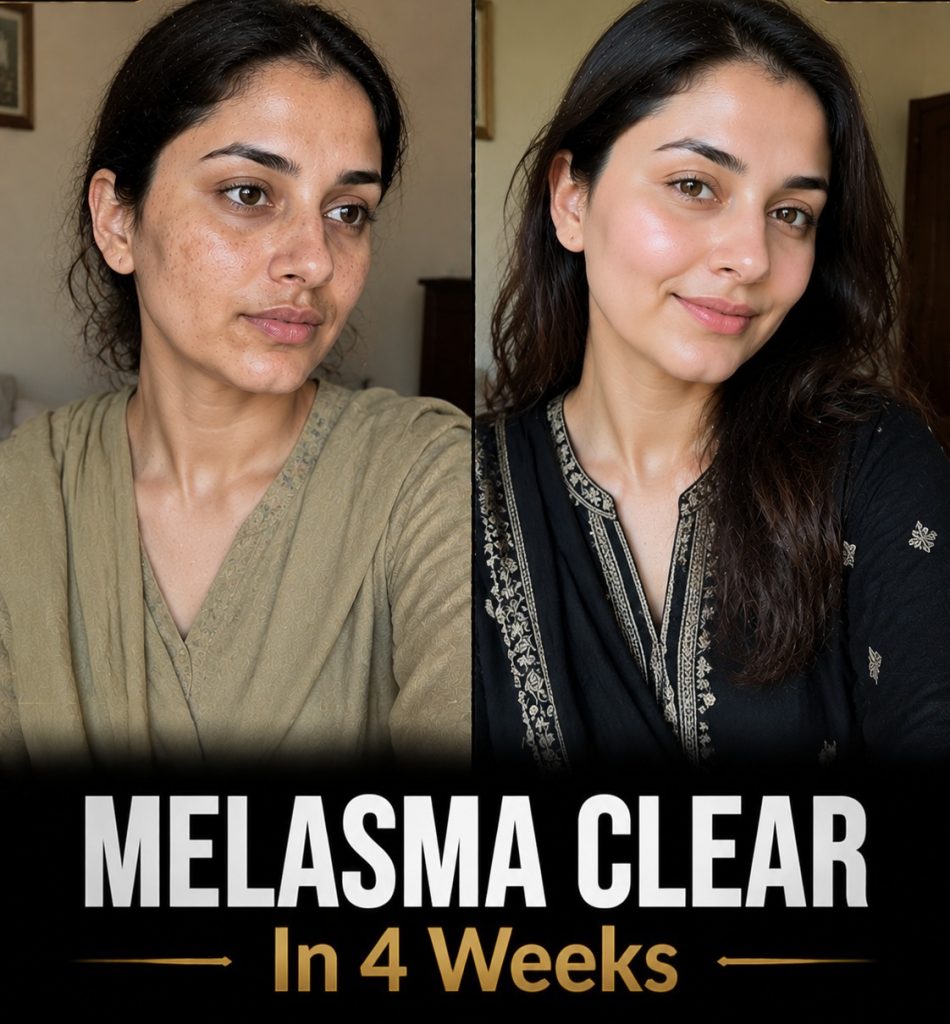
Melasma is a common skin condition that causes dark patches on the cheeks, forehead, nose, and upper lip. It often develops because of sun exposure, hormonal changes, stress, inflammation, or skin irritation. These patches may make skin appear uneven and dull, affecting confidence and overall appearance. While professional treatments exist, many natural remedies containing antioxidants, vitamins, and soothing compounds may help gradually reduce pigmentation and support healthier-looking skin.
The key to improving melasma naturally is consistency, gentle care, and choosing remedies suitable for your skin type. Below are scientifically-supported home remedies designed separately for normal, combination, oily, dry, and sensitive skin.
Remedy 1: For Normal Skin
Ingredients
- 1 tablespoon aloe vera gel – helps reduce pigmentation
- 1 teaspoon potato juice – contains natural brightening enzymes
- 1 teaspoon honey – supports skin repair
- 1 teaspoon yogurt – gently exfoliates skin
- 1 teaspoon rice flour – improves skin texture
- 4 drops rose water – refreshes and tones skin
Scientific Working of Ingredients
Aloe vera contains aloin, a compound that may help reduce hyperpigmentation naturally. Potato juice contains catecholase enzymes that may help brighten dark spots gradually. Yogurt contains lactic acid which gently removes dead skin buildup. Honey supports hydration and skin healing, while rice flour helps smooth uneven texture.
Procedure
- Mix all ingredients into smooth paste.
- Apply on melasma patches and entire face.
- Leave for 20 minutes.
- Wash with cool water.
- Apply light moisturizer afterward.
How Often to Apply
Use once daily for 2 weeks.
Initial Results
Skin may appear fresher and softer within 3–5 days. Pigmentation may start looking slightly lighter gradually.
Remedy 2: For Combination Skin
Ingredients
- 1 teaspoon multani mitti – absorbs excess oil
- 1 teaspoon cucumber juice – hydrates skin
- 1 teaspoon flaxseed gel – supports elasticity
- 1 teaspoon papaya pulp – contains natural enzymes
- 1 teaspoon honey – balances moisture
- 1 teaspoon green tea liquid – rich in antioxidants
Scientific Working of Ingredients
Papaya contains papain enzyme that may help exfoliate pigmented skin cells gently. Green tea contains catechins that protect skin from oxidative stress linked with pigmentation. Flaxseed contains omega-3 fatty acids that support healthier skin texture. Cucumber provides hydration and cooling effects.
Procedure
- Combine all ingredients well.
- Apply evenly on face and neck.
- Leave for 15–18 minutes.
- Wash gently with lukewarm water.
How Often to Apply
Apply 4 times weekly.
Initial Results
Skin may start looking smoother and more balanced within 1 week.
Remedy 3: For Oily Skin
Ingredients
- 1 teaspoon tomato pulp – rich in lycopene
- 1 teaspoon gram flour – controls excess oil
- 1 teaspoon aloe vera gel – hydrates lightly
- 1 teaspoon lemon juice – contains vitamin C
- 1 teaspoon turmeric – supports brightening
- 1 teaspoon yogurt – gently exfoliates skin
Scientific Working of Ingredients
Tomato contains antioxidants like lycopene that help protect skin from sun-related damage. Lemon provides vitamin C that supports collagen and skin brightness. Turmeric contains curcumin, known for anti-inflammatory and antioxidant properties. Gram flour helps remove excess oil and impurities.
Procedure
- Mix ingredients thoroughly.
- Apply thin layer on pigmented areas.
- Leave for 10–15 minutes only.
- Wash with cool water.
How Often to Apply
Use on alternate days for 3 weeks.
Initial Results
Skin may appear less oily and brighter after several applications.
Remedy 4: For Dry Skin
Ingredients
- 1 tablespoon mashed avocado – deeply nourishes skin
- 1 teaspoon almond oil – improves moisture barrier
- 1 teaspoon honey – retains hydration
- 1 teaspoon oatmeal powder – soothes dryness
- 1 vitamin E capsule – supports skin repair
- 1 teaspoon milk cream – softens rough texture
Scientific Working of Ingredients
Avocado contains vitamin E and healthy fats that support skin repair. Almond oil contains antioxidants and fatty acids that improve skin softness. Oatmeal helps reduce irritation and dryness. Vitamin E helps protect skin from oxidative stress associated with premature aging and pigmentation.
Procedure
- Mix all ingredients until creamy.
- Massage gently on face and neck.
- Leave for 20 minutes.
- Wash with lukewarm water carefully.
How Often to Apply
Use daily for 7 days, then alternate days.
Initial Results
Dry and rough skin may feel softer within 2–3 days. Skin may gradually appear healthier and more nourished.
Remedy 5: For Sensitive Skin
Ingredients
- 1 tablespoon aloe vera gel – calms irritation
- 1 teaspoon chamomile tea – reduces redness
- 1 teaspoon cucumber paste – cools skin
- 1 teaspoon oats powder – strengthens skin barrier
- 1 teaspoon raw honey – soothes naturally
- 3 drops rose water – refreshes skin gently
Scientific Working of Ingredients
Chamomile contains flavonoids that may help calm inflammation. Oats support the skin barrier and help reduce sensitivity. Aloe vera provides soothing hydration while cucumber helps cool irritated skin naturally.
Procedure
- Mix ingredients gently.
- Apply softly without rubbing.
- Leave for 15 minutes.
- Wash with cool water.
How Often to Apply
Use 3–4 times weekly.
Initial Results
Skin may feel calmer and hydrated after first few uses.
Natural Habits That Help Reduce Melasma
Sun Protection
Daily sunscreen use is extremely important because sunlight can worsen pigmentation.
Gentle Cleansing
Avoid harsh scrubs and strong chemical products that irritate skin.
Sleep and Stress Control
Poor sleep and stress may worsen hormonal imbalance and skin inflammation.
Why These Habits Help Scientifically
UV exposure increases melanin production, which darkens melasma patches. Proper hydration, reduced inflammation, and antioxidant-rich care may help skin recover gradually.
Diet Plan for Clear and Bright Skin
Morning
- Warm water with lemon
- Soaked almonds and walnuts
- Chia seeds
Breakfast
- Oatmeal with berries
- Green tea
- Fresh orange or guava
Lunch
- Brown rice or whole wheat roti
- Grilled fish or lentils
- Cucumber and spinach salad
Evening Snack
- Coconut water
- Pumpkin seeds
Dinner
- Vegetable soup
- Steamed vegetables
- Beans or chicken breast
Best Nutrients for Melasma
- Vitamin C for brightening support
- Vitamin E for skin repair
- Omega-3 fatty acids for skin health
- Zinc for healing support
- Antioxidants for reducing oxidative stress
How Long to Continue
Continue remedies and healthy diet for at least 4 weeks for visible improvement. If melasma becomes severe, spreads rapidly, or does not improve, consult a dermatologist for professional evaluation.
Final Tips
- Always wear sunscreen outdoors.
- Avoid excessive heat exposure.
- Drink 8–10 glasses water daily.
- Sleep at least 7 hours.
- Never scrub pigmented areas harshly.
- Perform patch test before use.
- Keep skincare routine simple and gentle.
- Stay consistent for best results.
Visible improvements usually begin within 1–2 weeks, while clearer and more even skin tone develops gradually over time.
References for the above remedy
- Aloe vera and hyperpigmentation study
URL: https://pmc.ncbi.nlm.nih.gov/articles/PMC2763764/ - Turmeric and skin benefits research
URL: https://pmc.ncbi.nlm.nih.gov/articles/PMC5664031/ - Green tea polyphenols and skin protection
URL: https://pmc.ncbi.nlm.nih.gov/articles/PMC5384166/ - Oatmeal and skin barrier function
URL: https://pmc.ncbi.nlm.nih.gov/articles/PMC3276973/ - Vitamin C and skin brightening
URL: https://ods.od.nih.gov/factsheets/VitaminC-HealthProfessional/ - Vitamin E and skin protection
URL: https://pmc.ncbi.nlm.nih.gov/articles/PMC4976416/ - Honey in dermatology
URL: https://pmc.ncbi.nlm.nih.gov/articles/PMC5661189/ - Papaya enzymes and exfoliation benefits
URL: https://pubmed.ncbi.nlm.nih.gov/27324374/ - Lycopene and skin photoprotection
URL: https://pubmed.ncbi.nlm.nih.gov/12548303/ - Chamomile anti-inflammatory effects
URL: https://pmc.ncbi.nlm.nih.gov/articles/PMC2995283/