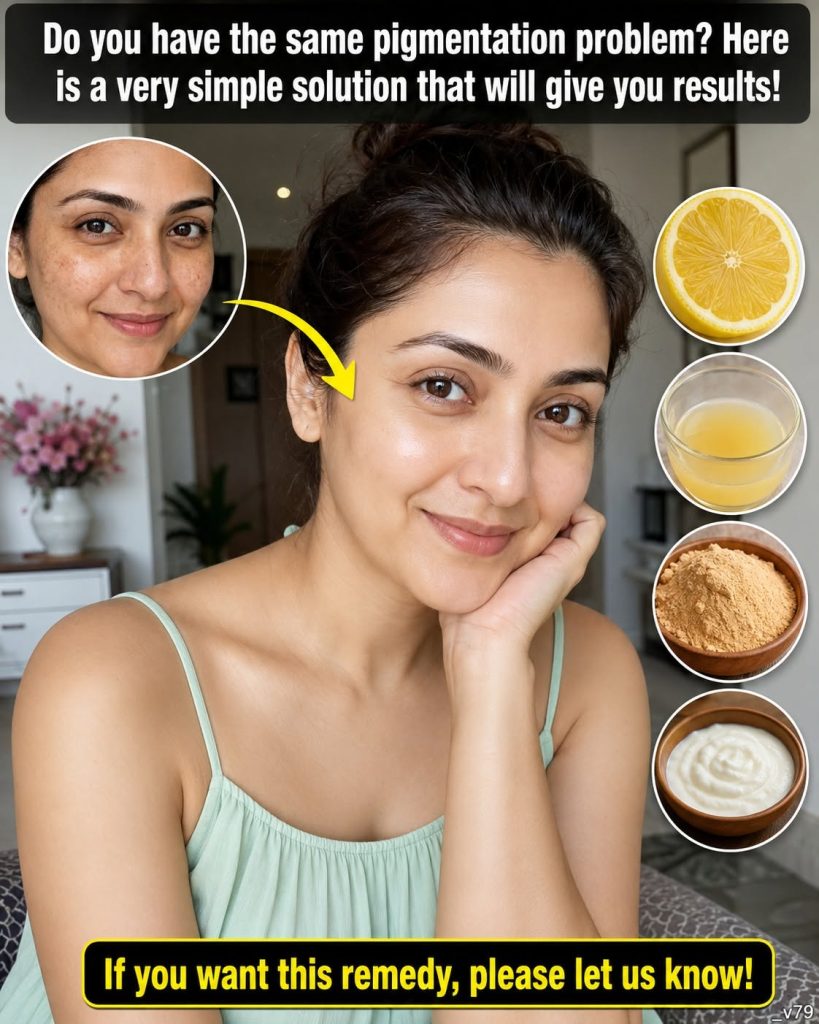
Pigmentation can make the skin appear uneven, dull, and older than it actually is. Dark spots may develop due to sun exposure, acne marks, hormonal changes, or skin inflammation. Many people look for natural ways to improve skin tone without harsh treatments. The remedy below uses traditional ingredients that have scientific support for helping improve the appearance of uneven pigmentation. However, natural remedies work gradually and results vary from person to person.
Natural Pigmentation Remedy
Ingredients
- Licorice root powder (Mulethi) – 1 teaspoon
- Plain yogurt – 1 tablespoon
- Fresh lemon juice – 3 to 4 drops
- Raw honey – 1 teaspoon
- Aloe vera gel – 1 teaspoon
Why These Ingredients May Help
Licorice Root Powder
Licorice contains glabridin and liquiritin. These compounds can help reduce excess melanin production and improve the appearance of dark spots. Studies have shown that glabridin inhibits tyrosinase, an enzyme involved in pigmentation. (PubMed)
Yogurt
Yogurt contains lactic acid, a mild alpha-hydroxy acid that helps remove dead skin cells and encourages a brighter-looking complexion.
Lemon Juice
Lemon contains vitamin C and citric acid. Vitamin C can help reduce the appearance of pigmentation and support a more even skin tone. Because lemon may irritate sensitive skin, only a few drops should be used. (Apollo 24|7)
Honey
Honey helps maintain skin hydration and supports the skin barrier, reducing dryness that can make pigmentation look more noticeable.
Aloe Vera Gel
Aloe vera contains soothing compounds that help calm the skin and support skin recovery.
How to Prepare
- Add licorice powder to a clean bowl.
- Mix in yogurt until smooth.
- Add honey and aloe vera gel.
- Add 3–4 drops of fresh lemon juice.
- Stir thoroughly to form a creamy paste.
How to Apply
- Wash your face with a gentle cleanser.
- Pat the skin dry.
- Apply a thin layer of the mixture to pigmented areas.
- Leave it on for 10–15 minutes.
- Rinse with cool water.
- Apply a moisturizer afterward.
How Often to Use
- Use 2 to 3 times per week.
- Always perform a patch test before the first application.
- Apply sunscreen daily because UV exposure can worsen pigmentation.
Initial Results
Within the first 1–2 weeks, some people may notice:
- Softer skin texture
- Mild improvement in skin brightness
- Reduced appearance of dullness
- More even-looking skin tone
Significant pigmentation reduction generally requires several weeks to months of consistent care and sun protection.
Diet Plan to Support Healthy Skin
Morning
- 1 glass water
- Citrus fruit or guava
- Handful of almonds
Breakfast
- Eggs or yogurt
- Whole-grain bread
- Fresh fruit
Lunch
- Grilled chicken, fish, beans, or lentils
- Mixed vegetables
- Salad
Evening
- Green tea
- Cucumber or carrot slices
Dinner
- Vegetable soup
- Lean protein
- Small portion of brown rice or whole wheat roti
Hydration
- Drink 8–10 glasses of water daily.
Final Tips
- Wear sunscreen every day.
- Avoid picking acne or blemishes.
- Sleep 7–8 hours nightly.
- Stay hydrated.
- Keep skincare tools clean.
- Perform a patch test before using any home remedy.
- Stop use if irritation develops.
If pigmentation persists, spreads, becomes severe, or does not improve after several weeks, consult a dermatologist for proper evaluation and treatment.
References for the above remedy
- Yokota T. et al. The inhibitory effect of glabridin from licorice extracts on melanogenesis and inflammation. PubMed. URL: https://pubmed.ncbi.nlm.nih.gov/9870547/
- Cerulli A. et al. Licorice (Glycyrrhiza glabra) and skin-lightening mechanisms. Cosmetics. URL: https://www.mdpi.com/2079-9284/9/1/7
- Hollinger J.C. et al. Natural ingredients in the management of hyperpigmentation. Journal of Clinical and Aesthetic Dermatology. URL: https://jcadonline.com/natural-ingredients-hyperpigmentation-feb2018/
- Kang M.H. et al. Antioxidant and anti-melanogenic activities of licorice compounds. URL: https://pmc.ncbi.nlm.nih.gov/articles/PMC8928971/
- Allure. Why Vitamin C Is One of the Most Important Steps in Any Skin-Care Routine. URL: https://www.allure.com/story/vitamin-c-benefits-for-skin
- Verywell Health. What Does Vitamin C Do for Your Skin? URL: https://www.verywellhealth.com/vitamin-c-for-skin-5084225
- Apollo 247. Using Lemon for Dark Spots on Your Face. URL: https://www.apollo247.com/health-topics/general-medical-consultation/lemon-for-dark-spots-face
- NCCIH. Licorice Root: Usefulness and Safety. URL: https://www.nccih.nih.gov/health/licorice-root
- Journal of Pakistan Association of Dermatologists. Comparison of efficacy of topical liquiritin in melasma. URL: https://www.jpad.com.pk/index.php/jpad/article/download/533/506/1072
- Journal of Drugs in Dermatology. Botanical extracts for treatment of hyperpigmentation. URL: https://jddonline.com/articles/the-use-of-botanical-extracts-in-east-asia-for-treatment-of-hyperpigmentation-an-evidenced-based-rev-S1545961620P0758X/?_page=3