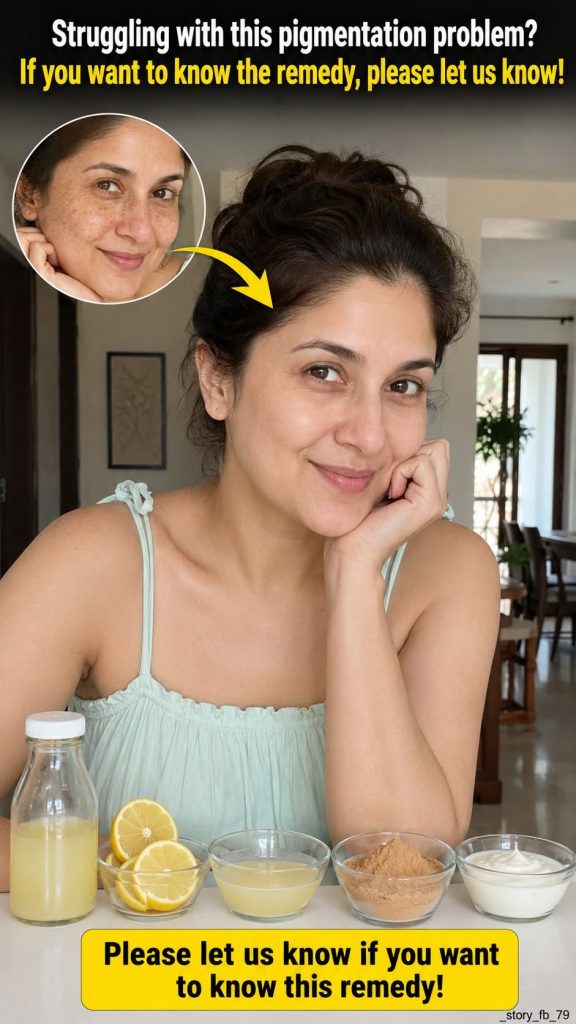
Pigmentation is one of the most common skin concerns affecting people of all ages. It can appear as dark spots, uneven skin tone, post-acne marks, sun spots, or patches of discoloration. Factors such as excessive sun exposure, hormonal fluctuations, inflammation, aging, and environmental stress can trigger excess melanin production, leading to visible pigmentation. While professional treatments can help, several natural ingredients have demonstrated skin-brightening and antioxidant properties that may support a more even complexion when used consistently. Since every skin type responds differently, choosing the right remedy based on your skin type is essential for achieving better results while minimizing irritation.

Remedy 1: For Normal Skin
Ingredients
- 1 tablespoon plain yogurt
- 1 teaspoon fresh lemon juice
- 1 teaspoon honey
- 1 teaspoon aloe vera gel
- ½ teaspoon turmeric powder
- 1 teaspoon cucumber juice
Scientific Benefits of the Ingredients
- Yogurt: Contains lactic acid, a mild alpha-hydroxy acid that promotes gentle exfoliation.
- Lemon Juice: Rich in vitamin C, which may help reduce melanin formation.
- Honey: Acts as a natural humectant and contains antioxidants.
- Aloe Vera: Contains aloin, a compound studied for its skin-brightening effects.
- Turmeric: Contains curcumin, known for anti-inflammatory and antioxidant properties.
- Cucumber Juice: Provides hydration and soothing phytochemicals.
Procedure
- Mix all ingredients into a smooth paste.
- Cleanse the face thoroughly.
- Apply the mixture evenly to pigmented areas.
- Leave it on for 15 minutes.
- Rinse with lukewarm water and pat dry.
How Often to Apply
Apply once daily for 5 consecutive days.
Initial Results
Within 2–3 days, the skin may appear more hydrated and refreshed. Mild brightening may become noticeable after consistent use.
How These Ingredients Work Scientifically
Lactic acid from yogurt helps remove dead skin cells, allowing newer and healthier skin cells to surface. Vitamin C from lemon acts as an antioxidant and can interfere with the enzyme tyrosinase, which is involved in melanin production. Curcumin in turmeric helps combat oxidative stress that contributes to pigmentation. Aloe vera’s aloin has shown potential in reducing hyperpigmentation by regulating melanin synthesis.
Remedy 2: For Combination Skin
Ingredients
- 1 tablespoon oatmeal powder
- 1 teaspoon aloe vera gel
- 1 teaspoon green tea extract
- 1 teaspoon honey
- 1 teaspoon mashed papaya
- 1 teaspoon rose water
Scientific Benefits of the Ingredients
- Oatmeal: Contains anti-inflammatory avenanthramides.
- Aloe Vera: Soothes and hydrates skin.
- Green Tea: Rich in epigallocatechin gallate (EGCG), a powerful antioxidant.
- Honey: Supports skin hydration.
- Papaya: Contains papain enzyme for gentle exfoliation.
- Rose Water: Provides mild soothing effects.
Procedure
- Combine all ingredients thoroughly.
- Apply a thin layer over the face.
- Leave for 15–20 minutes.
- Wash gently with cool water.
How Often to Apply
Use on alternate days for one week.
Initial Results
Skin may feel smoother and appear more balanced within a few days.
How These Ingredients Work Scientifically
Papain in papaya helps remove accumulated dead skin cells that can make pigmentation more visible. Green tea polyphenols protect skin against oxidative damage caused by UV exposure. Oatmeal reduces inflammation that can worsen post-inflammatory pigmentation. Together, these ingredients support a brighter and calmer complexion.
Remedy 3: For Oily Skin
Ingredients
- 1 tablespoon multani mitti (Fuller’s Earth)
- 1 teaspoon tomato pulp
- 1 teaspoon aloe vera gel
- 1 teaspoon cucumber juice
- ½ teaspoon turmeric powder
- 1 teaspoon green tea
Scientific Benefits of the Ingredients
- Multani Mitti: Helps absorb excess oil.
- Tomato: Contains lycopene, an antioxidant carotenoid.
- Aloe Vera: Hydrates without excessive oiliness.
- Cucumber: Soothes and cools skin.
- Turmeric: Provides antioxidant protection.
- Green Tea: Helps control oxidative stress.
Procedure
- Mix ingredients into a paste.
- Apply evenly to the face.
- Leave for 12–15 minutes.
- Rinse with cool water.
How Often to Apply
Apply every other day for 5–7 days.
Initial Results
The skin may appear less oily and fresher after 2–3 applications.
How These Ingredients Work Scientifically
Lycopene from tomatoes has antioxidant properties that help protect skin from environmental stressors. Green tea catechins reduce oxidative damage associated with skin aging and discoloration. Turmeric helps reduce inflammation that can trigger excess melanin production. Multani mitti removes excess sebum, reducing clogged pores that may contribute to post-acne pigmentation.
Remedy 4: For Dry Skin
Ingredients
- 1 tablespoon mashed avocado
- 1 teaspoon honey
- 1 teaspoon aloe vera gel
- 1 teaspoon yogurt
- 1 teaspoon oatmeal powder
- 1 teaspoon cucumber juice
Scientific Benefits of the Ingredients
- Avocado: Rich in vitamin E and healthy fats.
- Honey: Provides deep hydration.
- Aloe Vera: Helps maintain moisture balance.
- Yogurt: Offers gentle exfoliation.
- Oatmeal: Soothes dry, irritated skin.
- Cucumber: Adds hydration.
Procedure
- Blend all ingredients into a creamy mixture.
- Apply evenly over the face.
- Leave for 20 minutes.
- Wash with lukewarm water.
How Often to Apply
Use daily for 5 days.
Initial Results
Skin may feel softer and more nourished within 2–3 days.
How These Ingredients Work Scientifically
Dry skin often makes pigmentation appear more prominent because of uneven light reflection. Avocado supplies fatty acids that strengthen the skin barrier. Honey attracts moisture into the skin, while lactic acid from yogurt gently exfoliates pigmented surface cells. Improved hydration helps the skin appear brighter and healthier.
Remedy 5: For Sensitive Skin
Ingredients
- 1 tablespoon pure aloe vera gel
- 1 teaspoon oatmeal powder
- 1 teaspoon cucumber juice
- 1 teaspoon chamomile tea
- 1 teaspoon honey
- 1 teaspoon plain yogurt
Scientific Benefits of the Ingredients
- Aloe Vera: Calms irritation.
- Oatmeal: Contains soothing compounds.
- Cucumber: Reduces discomfort and dryness.
- Chamomile: Provides anti-inflammatory benefits.
- Honey: Supports skin repair.
- Yogurt: Offers mild exfoliation.
Procedure
- Mix all ingredients carefully.
- Apply a thin layer to affected areas.
- Leave for 10–15 minutes.
- Rinse gently with cool water.
How Often to Apply
Apply every other day for one week.
Initial Results
Skin may feel calmer, softer, and less irritated after several applications.
How These Ingredients Work Scientifically
Sensitive skin often develops pigmentation after inflammation. Aloe vera, chamomile, and oatmeal help reduce inflammatory responses that can stimulate melanin production. Gentle exfoliation from yogurt removes dull surface cells without excessive irritation, supporting a more even skin tone.
Final Tips
- Always perform a patch test before applying any home remedy.
- Use a broad-spectrum sunscreen daily, even indoors near windows.
- Stay hydrated by drinking adequate water.
- Sleep 7–8 hours each night to support skin repair.
- Avoid harsh scrubs and excessive rubbing.
- Clean makeup brushes and skincare tools regularly.
- Eat antioxidant-rich fruits and vegetables.
- Visible improvements often begin within 2–3 days, while significant reduction in pigmentation may require several weeks of consistent care.
- If irritation develops, discontinue use immediately.
Diet Plan for Pigmentation Reduction
Morning
- 1 glass warm water with lemon
- 5–6 soaked almonds
- Seasonal fruit rich in vitamin C (orange, kiwi, guava)
Breakfast
- Oatmeal with berries
- Green tea
Mid-Morning
- Coconut water
- Cucumber slices
Lunch
- Mixed vegetable salad
- Whole grains
- Lentils or lean protein
Evening
- Green tea
- Handful of walnuts
Dinner
- Steamed vegetables
- Protein source such as beans, lentils, fish, or tofu
Before Bed
- A small bowl of yogurt
How Long to Continue
Follow the remedies and diet plan consistently for 4–6 weeks. If pigmentation persists, worsens, spreads rapidly, or is associated with itching, pain, or hormonal symptoms, consult a dermatologist for proper evaluation and treatment.
References for the above remedy
- National Center for Biotechnology Information (Aloe Vera and Hyperpigmentation)
URL: https://www.ncbi.nlm.nih.gov/pmc/articles/PMC2883372/ - National Center for Biotechnology Information (Curcumin and Skin Health)
URL: https://www.ncbi.nlm.nih.gov/pmc/articles/PMC5664031/ - National Center for Biotechnology Information (Green Tea Polyphenols and Skin Protection)
URL: https://www.ncbi.nlm.nih.gov/pmc/articles/PMC5384166/ - National Center for Biotechnology Information (Honey in Dermatology)
URL: https://www.ncbi.nlm.nih.gov/pmc/articles/PMC5661189/ - National Center for Biotechnology Information (Oatmeal and Skin Barrier Function)
URL: https://www.ncbi.nlm.nih.gov/pmc/articles/PMC3508548/ - National Center for Biotechnology Information (Lactic Acid and Skin Renewal)
URL: https://www.ncbi.nlm.nih.gov/pmc/articles/PMC6017965/ - National Center for Biotechnology Information (Vitamin C and Skin Pigmentation)
URL: https://www.ncbi.nlm.nih.gov/pmc/articles/PMC5579659/ - National Center for Biotechnology Information (Chamomile and Anti-Inflammatory Activity)
URL: https://www.ncbi.nlm.nih.gov/pmc/articles/PMC2995283/ - National Center for Biotechnology Information (Tomato Lycopene and Skin Health)
URL: https://www.ncbi.nlm.nih.gov/pmc/articles/PMC3583891/ - Harvard T.H. Chan School of Public Health – Antioxidants and Skin Health
URL: https://nutritionsource.hsph.harvard.edu/antioxidants/