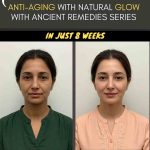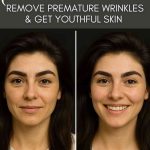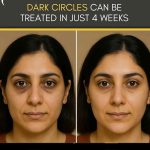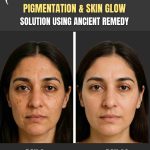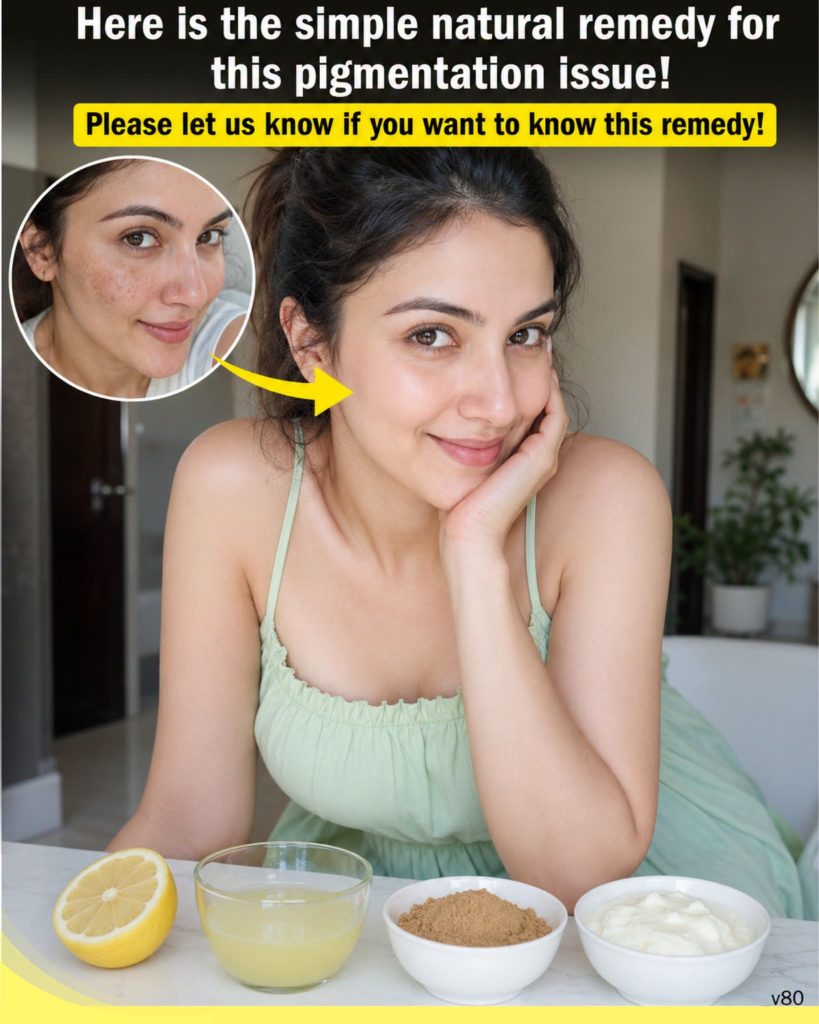
Pigmentation, uneven skin tone, and dark spots are common concerns caused by sun exposure, acne marks, hormonal changes, and aging. Although pigmentation usually fades gradually, certain natural ingredients possess antioxidant, exfoliating, and skin-brightening properties that may help improve skin appearance. Since different skin types respond differently, these remedies are tailored according to skin type and contain ingredients supported by scientific studies.
Why These Ingredients May Help Reduce Pigmentation
Yogurt: Gentle Natural Exfoliation
Yogurt contains lactic acid, an alpha-hydroxy acid that helps remove dead skin cells and improve skin texture. Regular use can promote a brighter complexion.
Licorice Root Powder: Natural Brightening Compound
Licorice contains glabridin, a compound shown to inhibit tyrosinase activity, which is involved in melanin production. It is widely used in dermatology for hyperpigmentation.
Lemon Juice: Source of Vitamin C
Lemon contains vitamin C, an antioxidant that helps neutralize free radicals. However, lemon can irritate sensitive skin and should always be diluted and used only at night.
Remedy 1: For Normal Skin
Ingredients
- Plain yogurt – 2 tablespoons (contains lactic acid for exfoliation)
- Licorice root powder – 1 teaspoon (helps reduce excess melanin production)
- Fresh lemon juice – ½ teaspoon (rich in vitamin C)
- Honey – 1 teaspoon (retains moisture)
- Aloe vera gel – 1 teaspoon (soothes skin)
- Rose water – 1 teaspoon (refreshes the skin)
Scientific Working of Ingredients
Licorice root contains glabridin, which may help reduce melanin formation. Yogurt’s lactic acid gently removes dead cells, while aloe vera contains aloin, which has been investigated for skin-lightening properties.
Procedure
- Combine yogurt and licorice powder.
- Add honey, aloe vera, and rose water.
- Add diluted lemon juice.
- Mix well and apply evenly.
- Leave for 15–20 minutes.
- Wash with cool water.
How Often to Apply
Apply once daily for 3–5 days.
Initial Results
Skin may appear smoother and more hydrated within a few days, while pigmentation improvement usually requires several weeks.
Remedy 2: For Combination Skin
Ingredients
- Yogurt – 1½ tablespoons
- Licorice powder – 1 teaspoon
- Cucumber juice – 1 tablespoon
- Lemon juice – ¼ teaspoon
- Oat powder – 1 teaspoon
- Honey – 1 teaspoon
Scientific Working of Ingredients
Cucumber provides hydration and antioxidants. Oatmeal contains beta-glucans that soothe the skin barrier, while yogurt provides gentle exfoliation.
Procedure
- Mix all ingredients thoroughly.
- Apply over the face.
- Leave for 15 minutes.
- Rinse with lukewarm water.
How Often to Apply
Use on alternate days for one week.
Initial Results
Skin may look fresher and more balanced after several applications.
Remedy 3: For Oily Skin
Ingredients
- Plain yogurt – 1 tablespoon
- Licorice powder – 1 teaspoon
- Multani mitti – 1 teaspoon
- Green tea powder – ½ teaspoon
- Aloe vera gel – 1 teaspoon
- Lemon juice – ¼ teaspoon
Scientific Working of Ingredients
Green tea contains polyphenols with antioxidant properties. Multani mitti absorbs excess oil, while aloe vera helps maintain skin hydration.
Procedure
- Combine all ingredients into a smooth paste.
- Apply evenly.
- Leave for 15 minutes.
- Wash with cool water.
How Often to Apply
Three times weekly.
Initial Results
Oiliness may decrease and the complexion may appear cleaner and brighter.
Remedy 4: For Dry Skin
Ingredients
- Yogurt – 2 tablespoons
- Licorice root powder – 1 teaspoon
- Honey – 1 teaspoon
- Mashed banana – 1 tablespoon
- Almond powder – 1 teaspoon
- Aloe vera gel – 1 teaspoon
Scientific Working of Ingredients
Banana supplies natural sugars and potassium that help retain moisture. Almonds provide vitamin E, and honey acts as a natural humectant.
Procedure
- Mix all ingredients.
- Apply to face and neck.
- Leave for 20 minutes.
- Wash with lukewarm water.
How Often to Apply
Daily for five days.
Initial Results
Dryness and rough texture may improve within a few days.
Remedy 5: For Sensitive Skin
Ingredients
- Yogurt – 1 tablespoon
- Colloidal oatmeal – 1 teaspoon
- Aloe vera gel – 1 teaspoon
- Honey – 1 teaspoon
- Licorice powder – ½ teaspoon
Scientific Working of Ingredients
Colloidal oatmeal contains anti-inflammatory compounds that help soothe irritated skin. Aloe vera supports the skin barrier and promotes hydration.
Procedure
- Mix all ingredients.
- Apply gently without rubbing.
- Leave for 10–15 minutes.
- Wash with cool water.
How Often to Apply
Three times weekly.
Initial Results
Skin may feel softer and calmer after several applications.
Final Tips
- Always apply sunscreen during the day because UV exposure can worsen pigmentation.
- Drink 8–10 glasses of water daily.
- Avoid picking acne or scratching the skin.
- Sleep for 7–8 hours.
- Perform a patch test before using any remedy.
- Avoid direct use of undiluted lemon juice, especially on sensitive skin.
- Visible improvement in pigmentation usually takes 4–8 weeks of consistent care.
Diet Plan for Healthy and Even-Toned Skin
Early Morning
- Warm water with lemon.
- Four soaked almonds and one walnut.
Breakfast
- Oatmeal with papaya or berries.
- Plain yogurt.
Mid-Morning
- Coconut water or fresh orange.
Lunch
- Brown rice or chapati.
- Fish, chicken, lentils, or beans.
- Green vegetables and salad.
Evening Snack
- Green tea and mixed nuts.
Dinner
- Vegetable soup with grilled fish or lentils.
- Fresh cucumber and carrots.
Before Bed
- Warm milk with turmeric.
Continue these remedies and a healthy diet for at least 6–8 weeks. If pigmentation becomes severe, spreads rapidly, or persists despite home care, consult a dermatologist for proper evaluation and treatment.
References for the above remedy
- Draelos ZD. Skin lightening preparations and tyrosinase inhibition. National Center for Biotechnology Information.
URL: https://pmc.ncbi.nlm.nih.gov/articles/PMC3663177/ - National Center for Biotechnology Information. Glabridin from licorice and inhibition of pigmentation.
URL: https://pmc.ncbi.nlm.nih.gov/articles/PMC5424551/ - National Center for Biotechnology Information. Aloe vera and skin healing properties.
URL: https://pmc.ncbi.nlm.nih.gov/articles/PMC2763764/ - National Center for Biotechnology Information. Colloidal oatmeal in dermatology.
URL: https://pmc.ncbi.nlm.nih.gov/articles/PMC4622918/ - National Center for Biotechnology Information. Lactic acid and skin rejuvenation.
URL: https://pmc.ncbi.nlm.nih.gov/articles/PMC6017965/ - National Center for Biotechnology Information. Green tea polyphenols and skin health.
URL: https://pmc.ncbi.nlm.nih.gov/articles/PMC5384166/ - American Academy of Dermatology. Hyperpigmentation and sun protection.
URL: https://www.aad.org/public/everyday-care/skin-care-basics/dry/sunscreen - National Center for Biotechnology Information. Vitamin C and skin benefits.
URL: https://pmc.ncbi.nlm.nih.gov/articles/PMC5579659/ - National Center for Biotechnology Information. Honey and wound healing properties.
URL: https://pmc.ncbi.nlm.nih.gov/articles/PMC3941901/ - Mayo Clinic. Skin care and pigmentation prevention.
URL: https://www.mayoclinic.org/healthy-lifestyle/adult-health/in-depth/skin-care/art-20048237