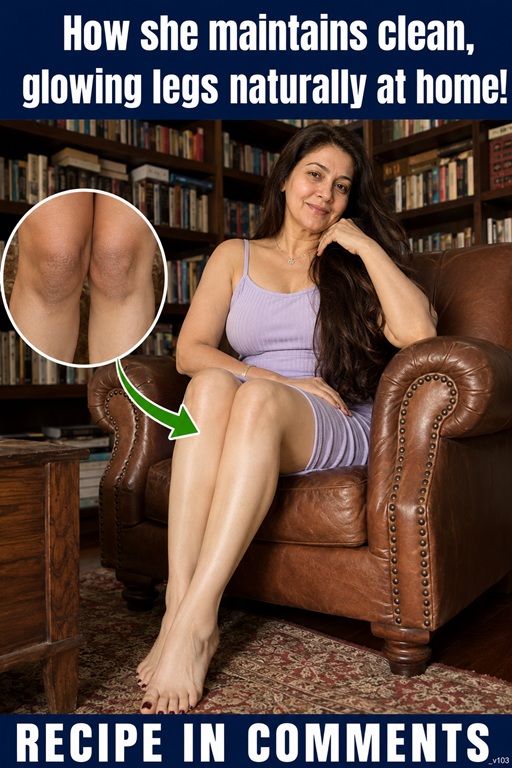
Smooth, radiant legs are often associated with healthy, well-hydrated skin. However, frequent shaving, sun exposure, friction, dry skin, dead skin buildup, and aging can leave the legs looking dull, rough, or uneven. While no home remedy can permanently lighten skin overnight, consistent use of natural ingredients supported by scientific evidence can gently exfoliate dead skin, improve hydration, strengthen the skin barrier, and restore a healthy glow. The following overnight treatment combines antioxidant-rich oils, gentle exfoliants, and natural moisturizers to help reveal softer, cleaner, and brighter-looking legs
.

Natural Leg Glow Treatment
Ingredients
- Finely ground oatmeal – 2 tablespoons
- Plain yogurt – 2 tablespoons
- Raw honey – 1 tablespoon
- Aloe vera gel – 2 tablespoons
- Sweet almond oil – 1 tablespoon
- Flaxseed gel – 2 tablespoons
- Vitamin E oil – Contents of 2 capsules
Scientific Working of Each Ingredient
Oatmeal
Oatmeal contains beta-glucans, avenanthramides, and natural saponins that gently remove dead skin while calming irritation. It also strengthens the skin barrier and improves moisture retention.
Scientific Benefit
- Gentle natural exfoliation
- Soothes irritated skin
- Improves skin hydration
Plain Yogurt
Yogurt naturally contains lactic acid, an alpha hydroxy acid (AHA) that loosens dead skin cells without harsh scrubbing. It also contains proteins and lipids that soften rough skin.
Scientific Benefit
- Removes dead skin cells
- Improves skin texture
- Enhances natural brightness
Raw Honey
Honey is a natural humectant that attracts moisture into the skin. It also provides antioxidants that help protect the skin from environmental damage while supporting skin repair.
Scientific Benefit
- Deep hydration
- Supports skin healing
- Rich in protective antioxidants
Aloe Vera Gel
Aloe vera contains polysaccharides, vitamins, and antioxidants that soothe the skin, improve hydration, and support collagen production during skin repair.
Scientific Benefit
- Hydrates dry skin
- Calms irritation
- Supports healthy skin renewal
Sweet Almond Oil
Sweet almond oil is rich in vitamin E, oleic acid, and essential fatty acids that nourish dry skin and improve softness while supporting the skin barrier.
Scientific Benefit
- Restores skin softness
- Improves elasticity
- Reduces roughness
Flaxseed Gel
Flaxseed gel contains omega-3 fatty acids and polysaccharides that help maintain skin hydration and improve elasticity while giving the skin a smoother appearance.
Scientific Benefit
- Locks in moisture
- Supports skin barrier
- Improves skin smoothness
Vitamin E Oil
Vitamin E is a powerful antioxidant that helps protect skin cells from oxidative stress while improving the skin’s natural barrier and moisture retention.
Scientific Benefit
- Protects against free radicals
- Supports skin repair
- Maintains healthy skin
Procedure
- Mix oatmeal and yogurt until smooth.
- Add honey and aloe vera gel.
- Stir in sweet almond oil.
- Add flaxseed gel and vitamin E oil.
- Mix thoroughly until a creamy paste forms.
How to Apply
- Wash your legs with lukewarm water.
- Pat dry with a soft towel.
- Apply a generous layer over the legs, especially dry knees and ankles.
- Massage gently in circular motions for 5 minutes.
- Leave the mask on for 20–25 minutes.
- Rinse with lukewarm water.
- Finish by applying a light layer of sweet almond oil or aloe vera gel to lock in moisture.
How Often to Apply
Apply 3 times per week for 3–4 weeks.
For maintenance, use once or twice weekly.
Initial Results
Within 2–3 Days
- Softer skin
- Better hydration
- Reduced roughness
After 2 Weeks
- Improved skin texture
- Brighter-looking legs
- Smoother knees and ankles
After 4–6 Weeks
- Healthier skin barrier
- More even-looking skin tone
- Long-lasting natural glow with continued care
Final Tips
- Apply sunscreen (SPF 30 or higher) to exposed legs every day to prevent sun-induced pigmentation.
- Exfoliate gently only once or twice a week to avoid irritation.
- Moisturize immediately after bathing while the skin is still slightly damp.
- Drink 2–3 liters of water daily to maintain skin hydration.
- Avoid very hot showers, which can strip the skin of its natural oils.
- Wear soft, breathable clothing to reduce friction.
- Perform a patch test before first use, especially if you have sensitive skin.
Visible improvements in skin softness may begin within a few days, while brighter and smoother-looking legs generally require several weeks of regular care.
Diet Plan for Naturally Healthy Skin
Breakfast
- Oatmeal topped with berries
- Greek yogurt
- Handful of almonds
Mid-Morning Snack
- Orange, kiwi, or guava
- Pumpkin seeds
Lunch
- Grilled fish or lentils
- Brown rice or whole-grain chapati
- Mixed green vegetables
- Salad with olive oil
Evening Snack
- Walnuts
- Green tea
Dinner
- Chicken, tofu, beans, or fish
- Sweet potato
- Steamed broccoli and carrots
Drink 2–3 liters of water daily and include foods rich in vitamins C and E, healthy fats, and protein to support collagen production and healthy skin.
Continue this skincare routine for 4–8 weeks. If persistent dark patches, severe dryness, eczema, or unexplained skin discoloration develops or does not improve, consult a dermatologist for proper evaluation and treatment.
References for the above remedy
- American Academy of Dermatology. Dry Skin: Tips for Relieving Dry Skin.
https://www.aad.org/public/everyday-care/skin-care-secrets/dry/dry-skin-relief - Lin TK, Zhong L, Santiago JL. Anti-Inflammatory and Skin Barrier Repair Effects of Plant Oils. International Journal of Molecular Sciences.
https://www.mdpi.com/1422-0067/19/1/70 - National Center for Biotechnology Information. Colloidal Oatmeal: History, Chemistry and Clinical Properties.
https://pmc.ncbi.nlm.nih.gov/articles/PMC4621171/ - Burlando B, Cornara L. Honey in Dermatology and Skin Care: A Review.
https://pmc.ncbi.nlm.nih.gov/articles/PMC5661189/ - National Center for Complementary and Integrative Health. Aloe Vera.
https://www.nccih.nih.gov/health/aloe-vera - National Institutes of Health. Vitamin E Fact Sheet for Health Professionals.
https://ods.od.nih.gov/factsheets/VitaminE-HealthProfessional/ - National Center for Complementary and Integrative Health. Flaxseed and Flaxseed Oil.
https://www.nccih.nih.gov/health/flaxseed-and-flaxseed-oil - American Academy of Dermatology. How to Exfoliate Safely at Home.
https://www.aad.org/public/everyday-care/skin-care-secrets/routine/how-to-exfoliate-safely