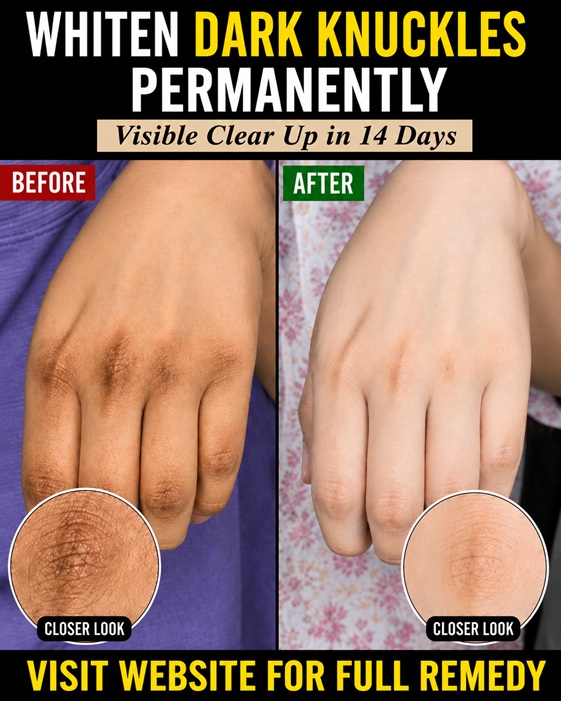
Dark knuckles are a common cosmetic concern that can make hands appear uneven in tone. Repeated friction, dryness, sun exposure, dead skin buildup, and post-inflammatory pigmentation are among the most common causes. In some people, darker knuckles may also indicate an underlying medical condition, making proper diagnosis important if the pigmentation is widespread or rapidly worsening.
Natural ingredients cannot bleach the skin permanently, but several have scientifically recognized properties that help improve hydration, reduce dead skin buildup, support skin barrier repair, and gradually brighten the appearance of hyperpigmentation. The remedies below are designed according to different skin types to maximize comfort while minimizing irritation.
Remedy 1: For Normal Skin
Scientific Working of the Ingredients
- Plain yogurt (2 tablespoons): Contains lactic acid, a gentle alpha-hydroxy acid that exfoliates dead skin cells.
- Oat flour (1 tablespoon): Provides gentle physical exfoliation while calming the skin.
- Honey (1 teaspoon): Acts as a natural humectant and supports skin hydration.
- Aloe vera gel (1 tablespoon): Rich in polysaccharides and aloin, helping soothe irritated skin.
- Turmeric powder (¼ teaspoon): Contains curcumin, known for antioxidant and anti-inflammatory activity.
- Sweet almond oil (½ teaspoon): Supplies vitamin E and essential fatty acids that soften rough skin.
Procedure
Mix all ingredients into a smooth paste. Wash your hands with lukewarm water and gently pat dry. Massage the mixture over the knuckles for two minutes. Leave it on for 20 minutes before rinsing with cool water. Finish with a fragrance-free moisturizer.
How Often to Apply
Use 4 times weekly for two weeks.
Initial Results
The skin may feel softer within 2–3 days. With consistent use, roughness and dullness often begin to improve within two weeks.
Remedy 2: For Combination Skin
Scientific Working of the Ingredients
- Rice flour (1 tablespoon) helps remove accumulated dead skin.
- Aloe vera gel (1 tablespoon) calms the skin barrier.
- Cucumber juice (2 teaspoons) provides hydration.
- Honey (1 teaspoon) improves moisture retention.
- Rose water (1 teaspoon) refreshes the skin.
- Vitamin E oil (2 drops) supports skin barrier repair.
Procedure
Blend all ingredients thoroughly. Apply over the knuckles using circular motions for one minute. Leave for 15–20 minutes before washing with cool water.
How Often to Apply
Every alternate day for two weeks.
Initial Results
Improved softness and hydration may become noticeable after several applications.
Remedy 3: For Oily Skin
Scientific Working of the Ingredients
- Gram flour (1 tablespoon) absorbs excess oil.
- Plain yogurt (1 tablespoon) gently exfoliates with lactic acid.
- Tomato pulp (1 teaspoon) contains antioxidants including lycopene.
- Aloe vera gel (1 teaspoon) provides hydration without heaviness.
- Green tea (1 teaspoon cooled) supplies antioxidant polyphenols.
- Honey (½ teaspoon) prevents excessive dryness after exfoliation.
Procedure
Mix well until smooth. Apply a thin layer and leave it on for 15 minutes. Rinse gently and apply a lightweight moisturizer.
How Often to Apply
Three times weekly.
Initial Results
Skin generally feels cleaner and smoother within several days while roughness gradually decreases.
Remedy 4: For Dry Skin
Scientific Working of the Ingredients
- Shea butter (1 teaspoon) restores moisture.
- Honey (1 teaspoon) draws water into the skin.
- Aloe vera gel (1 tablespoon) soothes dryness.
- Oat flour (1 tablespoon) gently exfoliates.
- Sweet almond oil (½ teaspoon) nourishes dry skin.
- Yogurt (1 tablespoon) provides mild exfoliation.
Procedure
Combine into a creamy mixture. Massage gently for two minutes before leaving on for another 20 minutes. Wash with lukewarm water and immediately apply moisturizer.
How Often to Apply
Four times per week.
Initial Results
Dryness and rough texture often improve within a few days, while pigmentation may gradually become less noticeable over several weeks.
Remedy 5: For Sensitive Skin
Scientific Working of the Ingredients
- Colloidal oatmeal (1 tablespoon) reduces irritation.
- Aloe vera gel (1 tablespoon) cools and calms the skin.
- Honey (1 teaspoon) supports hydration.
- Chamomile tea (2 teaspoons cooled) contains soothing plant compounds.
- Cucumber juice (1 teaspoon) refreshes the skin.
Procedure
Prepare a smooth paste and apply gently without scrubbing. Leave for 15 minutes before rinsing with cool water.
How Often to Apply
Three times weekly.
Initial Results
The skin generally feels calmer, softer, and better hydrated after several applications.
Additional Tips for Better Results
- Moisturize your hands after every wash.
- Apply sunscreen (SPF 30 or higher) to the backs of your hands daily.
- Wear gloves while cleaning or washing dishes.
- Avoid excessive rubbing or harsh scrubs.
- Drink adequate water every day.
- Perform a patch test before using any new ingredient.
Diet Plan for Healthy Skin
Morning
- One glass of water
- Fresh fruit rich in vitamin C (orange, kiwi, guava, or berries)
Breakfast
- Oatmeal with almonds and seeds
- Plain yogurt
Lunch
- Grilled chicken, fish, beans, or lentils
- Brown rice or whole wheat roti
- Mixed vegetables
Evening Snack
- Green tea
- A handful of walnuts or almonds
Dinner
- Vegetable soup
- Lean protein
- Salad with cucumber and tomatoes
Daily Nutrition Focus
- Vitamin C-rich fruits
- Vitamin E-rich nuts
- Zinc-rich legumes
- Protein for healthy skin repair
- Plenty of water throughout the day
How Long Should You Continue?
Continue the appropriate remedy for 2–4 weeks while moisturizing daily and protecting your hands from the sun. If the knuckles remain very dark, worsen, or are accompanied by thick, velvety skin, itching, or sudden changes, consult a dermatologist or physician. Persistent dark knuckles may sometimes indicate conditions such as diabetes, insulin resistance, vitamin B12 deficiency, thyroid disorders, or eczema that require medical evaluation.
References for the above remedy
- American Academy of Dermatology. Hyperpigmentation and skin care. https://www.aad.org/public/everyday-care/skin-care-secrets/routine/fade-dark-spots
- DermNet NZ. Hyperpigmentation. https://dermnetnz.org/topics/hyperpigmentation
- National Center for Biotechnology Information. Lactic Acid in Skin Care. https://www.ncbi.nlm.nih.gov/books/NBK557401/
- National Center for Biotechnology Information. Aloe vera: A review of therapeutic properties. https://www.ncbi.nlm.nih.gov/pmc/articles/PMC2763764/
- National Center for Biotechnology Information. Honey in Dermatology and Skin Care. https://www.ncbi.nlm.nih.gov/pmc/articles/PMC5661189/
- National Center for Biotechnology Information. Curcumin and Skin Health. https://www.ncbi.nlm.nih.gov/pmc/articles/PMC6770259/
- DermNet NZ. Acanthosis Nigricans. https://dermnetnz.org/topics/acanthosis-nigricans
- Mayo Clinic. Acanthosis Nigricans. https://www.mayoclinic.org/diseases-conditions/acanthosis-nigricans/symptoms-causes/syc-20368983