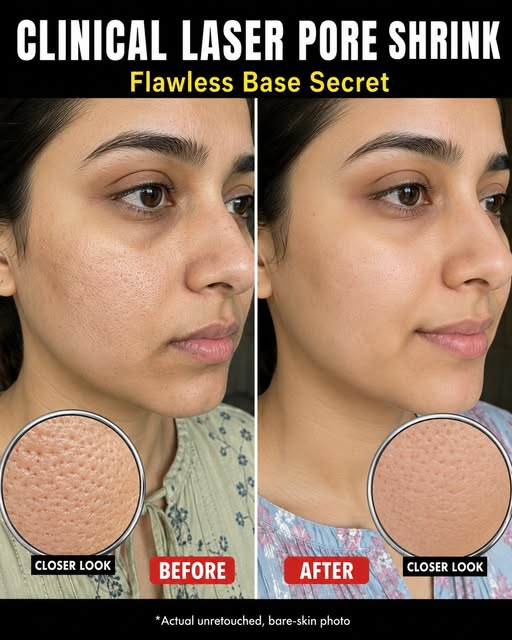
Large-looking pores can make the skin appear uneven, oily, dull, or rough under makeup, especially around the nose, cheeks, and forehead. Pores do not truly “close” or permanently disappear because they are normal skin openings, but their appearance can be visibly minimized when excess oil, dead skin buildup, dehydration, and loss of skin elasticity are managed gently. Dermatology sources explain that oily skin and clogged pores can make pores look larger, while clinical reviews describe high sebum, reduced elasticity around pores, and follicle size as key reasons pores appear enlarged. Natural remedies can support smoother-looking skin when they reduce shine, calm inflammation, lightly exfoliate, and strengthen the skin barrier. (American Academy of Dermatology)
Remedy 1: For Normal Skin
Ingredients
Green tea, 2 tablespoons cooled strong brew: Green tea catechins, especially EGCG, help reduce excess sebum activity and calm inflammation, which can make pores look cleaner and less stretched.
Plain yogurt, 1 tablespoon: Contains lactic acid, a gentle alpha hydroxy acid that loosens dead cells and improves skin texture.
Raw honey, 1 teaspoon: Helps keep skin moist and supports a calmer skin surface due to antimicrobial and anti-inflammatory properties.
Finely ground oats, 1 teaspoon: Oats contain soothing compounds that protect the skin barrier and reduce roughness.
Aloe vera gel, 1 teaspoon: Provides lightweight hydration and helps soothe irritation.
Rice water, 1 tablespoon: Rice starch can support skin smoothness and barrier comfort.
Why This Works Scientifically
Green tea helps with the oil factor behind visible pores. Topical green tea has been studied for reducing skin sebum, while EGCG has shown acne and inflammation benefits in human research. Yogurt’s lactic acid provides mild exfoliation, which helps remove the dull layer that makes pores look more obvious. Oats, honey, aloe, and rice water add hydration and barrier support so the skin looks smoother instead of tight or irritated. (PMC)
Procedure
Mix cooled green tea, yogurt, honey, oat powder, aloe vera gel, and rice water into a smooth paste. Wash your face with lukewarm water and pat dry. Apply a thin layer over the cheeks, nose, and forehead. Leave it on for 10 minutes. Wet your fingers and massage very gently for 20 seconds, then rinse with cool water.
How Often to Apply
Apply once daily for 3 days, then use 2 to 3 times weekly.
Initial Results
Within 1 to 3 days, normal skin may look fresher, less dull, and smoother around the nose and cheek pores. Makeup may sit more evenly because the surface layer feels cleaner and hydrated.
Remedy 2: For Combination Skin
Ingredients
Cooled green tea, 2 tablespoons: Helps reduce oily shine on the T-zone.
Colloidal oat powder, 1 teaspoon: Calms dry cheek areas and supports the barrier.
Aloe vera gel, 1 teaspoon: Hydrates without heaviness.
Raw honey, 1 teaspoon: Softens dry patches while supporting a balanced skin surface.
Kaolin clay, 1 teaspoon: Absorbs extra oil from the nose and forehead without needing harsh scrubbing.
Rose water, 1 teaspoon: Adds light freshness and helps dilute the clay for a gentle texture.
Why This Works Scientifically
Combination skin needs oil control only where oil is high, not all over the face. Green tea and kaolin help the oily T-zone look less shiny, while oats, aloe, and honey protect the drier cheek area. Colloidal oatmeal has clinical evidence for reducing dryness, roughness, scaling, and itch intensity, making it useful when the cheeks feel tight but the nose looks oily. (PubMed)
Procedure
Mix all ingredients into a creamy mask. Apply a slightly thicker layer on the nose, chin, and forehead. Apply only a very thin layer on the cheeks. Leave for 8 minutes only; do not let the clay fully crack. Rinse with cool water and press the skin dry with a clean towel.
How Often to Apply
Use on alternate days for 5 days. After that, use twice weekly.
Initial Results
The T-zone may look less greasy within 1 to 2 days, while cheek tightness should feel calmer. Pores on the nose may appear less dark because oil and surface buildup are reduced.
Remedy 3: For Oily Skin
Ingredients
Bentonite or kaolin clay, 1 tablespoon: Helps absorb excess surface oil.
Cooled green tea, 2 tablespoons: Supports sebum balance and reduces inflammation.
Aloe vera gel, 1 teaspoon: Hydrates oily skin without adding heavy oil.
Raw honey, 1 teaspoon: Helps calm irritated or acne-prone areas.
Turmeric powder, 1 small pinch: Contains curcumin, known for anti-inflammatory and antioxidant effects.
Rice water, 1 tablespoon: Lightly softens the mask and helps avoid over-drying.
Why This Works Scientifically
Oily skin often shows pores more clearly because sebum collects inside the pore opening. Green tea is the key ingredient here because topical green tea extract has human evidence for reducing sebum, and EGCG has been studied for acne-related inflammation. Clay works physically by absorbing excess oil, while honey, aloe, turmeric, and rice water reduce the risk of leaving the skin stripped. (PMC)
Procedure
Mix clay with green tea first, then add aloe, honey, turmeric, and rice water. Apply to oily areas only, especially the nose, cheeks near the nose, chin, and forehead. Leave on for 7 to 8 minutes. Rinse before the mask becomes fully dry and tight. Follow with a light splash of cool water.
How Often to Apply
Apply once daily for 3 days if very oily, then reduce to 2 times weekly.
Initial Results
In 1 to 3 days, oily skin may look less shiny, and pores may appear cleaner because oil sitting inside the pore opening is reduced. Acne-prone skin may also look calmer, but active acne needs consistent care.
Remedy 4: For Dry Skin
Ingredients
Colloidal oat powder, 1 tablespoon: Soothes dryness and rough texture.
Aloe vera gel, 1 tablespoon: Adds water-based hydration.
Raw honey, 1 teaspoon: Acts as a natural humectant and calming ingredient.
Plain yogurt, 1 teaspoon: Gives very mild lactic acid exfoliation for flaky skin.
Sunflower seed oil, 4 drops: Supports the skin barrier and improves hydration.
Rice water, 1 tablespoon: Softens the paste and adds a gentle starch-based feel.
Why This Works Scientifically
Dry skin can make pores and fine lines look deeper because the surface is dehydrated and uneven. Oats help reduce roughness and protect the barrier. Sunflower seed oil has clinical evidence for preserving stratum corneum integrity and improving hydration, unlike harsher oils that may irritate some skin types. A tiny amount of yogurt helps loosen flakes so the skin reflects light more evenly. (PubMed)
Procedure
Mix oat powder, aloe, honey, yogurt, sunflower seed oil, and rice water until smooth. Apply a soft layer over the face, avoiding the eyelids. Keep it on for 10 minutes. Rinse gently without rubbing. Pat dry and apply a few drops of plain aloe vera gel afterward if the skin feels thirsty.
How Often to Apply
Use every other day for 5 days, then continue 2 to 3 times weekly.
Initial Results
Within 2 to 3 days, dry skin may look more supple and less flaky. Pores may appear softer because the skin surface is better hydrated and less rough.
Remedy 5: For Sensitive Skin
Ingredients
Colloidal oat powder, 1 tablespoon: Calms irritation and supports barrier repair.
Aloe vera gel, 1 teaspoon: Soothes heat, redness, and tightness.
Raw honey, ½ teaspoon: Adds gentle moisture and skin-calming support.
Cucumber juice, 1 tablespoon: Cools the skin and dilutes the mask.
Sunflower seed oil, 2 drops: Helps reduce dryness without heavy greasiness.
Cooled green tea, 1 tablespoon: Provides antioxidant support in a diluted form.
Why This Works Scientifically
Sensitive skin should avoid strong acids, harsh scrubs, lemon juice, baking soda, and aggressive clay masks. Oatmeal is the main ingredient because it has both historical dermatology use and clinical support for dryness, roughness, and irritation. Aloe and sunflower seed oil support comfort and barrier function, while diluted green tea gives antioxidant and oil-balancing support without making the mask too active. (PubMed)
Procedure
Mix all ingredients into a soft, runny paste. Apply for only 5 to 7 minutes the first time. Do not massage. Rinse with cool water and press dry. Always patch test behind the ear or jawline for 24 hours before using on the full face.
How Often to Apply
Use once every 2 days for 5 days. If the skin reacts well, continue twice weekly.
Initial Results
Sensitive skin may feel calmer within 1 to 2 days. Redness and tightness may reduce, making pores look less noticeable because the skin is not inflamed.
Final Tips
Use these remedies for 7 to 14 days, depending on your skin tolerance. Visible improvements often begin within 2 to 3 days as oiliness, dullness, and roughness reduce, but pore refinement and smoother skin texture need consistency. Cleanse gently twice daily, avoid hot water, do not scrub the skin, and keep towels, makeup brushes, pillowcases, and skincare tools clean. Always do a patch test before applying any remedy to the full face. Avoid lemon juice, toothpaste, baking soda, undiluted vinegar, and harsh peeling mixtures because irritation can make pores look larger.
Wear sun protection during the day because sun damage weakens elasticity around pores and can make texture more visible. Natural remedies can improve the appearance of pores, but they do not replace dermatologist treatments such as retinoids, chemical peels, microneedling, or lasers when pores are severe or linked with acne scarring.
Diet Plan for Pore Refinement and Smooth Skin
Continue this diet plan for at least 3 to 4 weeks while using the home remedies. A low-glycemic eating pattern may help people whose pores look worse with acne, oiliness, or inflammation because high-glycemic foods are linked with acne severity in systematic reviews. Omega-3-rich foods may also support inflammatory acne control as an add-on approach. (PMC)
Morning: Start with water, then eat oats with chia seeds, walnuts, and berries, or eggs with whole-grain toast and cucumber.
Lunch: Choose lentils, chickpeas, grilled fish, chicken, or tofu with vegetables and brown rice or whole wheat roti.
Evening snack: Take fruit with nuts, roasted chickpeas, or plain yogurt if dairy does not trigger breakouts for you.
Dinner: Eat vegetable soup, beans, fish, eggs, or paneer with salad and a small portion of whole grains.
Daily skin-support foods: Add spinach, carrots, tomatoes, oranges, pumpkin seeds, flaxseeds, walnuts, and enough water. Reduce sugary drinks, white bread, sweets, fried snacks, and frequent fast food.
If pores remain very enlarged after 4 to 6 weeks, or if you have painful acne, pus-filled bumps, sudden redness, burning, peeling, pigmentation, or scarring, see a dermatologist or doctor.
References for the above remedy
- American Academy of Dermatology Association. “What can treat large facial pores?” URL: https://www.aad.org/public/everyday-care/skin-care-secrets/face/treat-large-pores
- Lee SJ, Seok J, Jeong SY, et al. “Facial Pores: Definition, Causes, and Treatment Options.” Dermatologic Surgery, 2016. URL: https://pubmed.ncbi.nlm.nih.gov/26918966/
- Mahmood T, Akhtar N. “Outcomes of 3% Green Tea Emulsion on Skin Sebum Production in Male Volunteers.” Bosnian Journal of Basic Medical Sciences, 2010. URL: https://pmc.ncbi.nlm.nih.gov/articles/PMC5504505/
- Yoon JY, Kwon HH, Min SU, et al. “Epigallocatechin-3-gallate improves acne in humans by modulating intracellular molecular targets and inhibiting P. acnes.” Journal of Investigative Dermatology, 2013. URL: https://pubmed.ncbi.nlm.nih.gov/23096708/
- Reynertson KA, Garay M, Nebus J, et al. “Anti-inflammatory activities of colloidal oatmeal contribute to the effectiveness of oats in treatment of itch associated with dry, irritated skin.” Journal of Drugs in Dermatology, 2015. URL: https://pubmed.ncbi.nlm.nih.gov/25607907/
- Hekmatpou D, Mehrabi F, Rahzani K, Aminiyan A. “The Effect of Aloe Vera Clinical Trials on Prevention and Healing of Skin Wound: A Systematic Review.” Iranian Journal of Medical Sciences, 2019. URL: https://pmc.ncbi.nlm.nih.gov/articles/PMC6330525/
- Stiller MJ, Bartolone J, Stern R, et al. “Topical 8% glycolic acid and 8% L-lactic acid creams for the treatment of photodamaged skin.” Archives of Dermatology, 1996. URL: https://pubmed.ncbi.nlm.nih.gov/8651713/
- McLoone P, Warnock M, Fyfe L. “Honey: A Therapeutic Agent for Disorders of the Skin.” Central Asian Journal of Global Health, 2016. URL: https://pmc.ncbi.nlm.nih.gov/articles/PMC5661189/
- Danby SG, AlEnezi T, Sultan A, et al. “Effect of olive and sunflower seed oil on the adult skin barrier.” Pediatric Dermatology, 2013. URL: https://pubmed.ncbi.nlm.nih.gov/22995032/
- Meixiong J, Ricco C, Vasavda C, et al. “Diet and acne: A systematic review.” JAAD International, 2022. URL: https://pmc.ncbi.nlm.nih.gov/articles/PMC8971946/