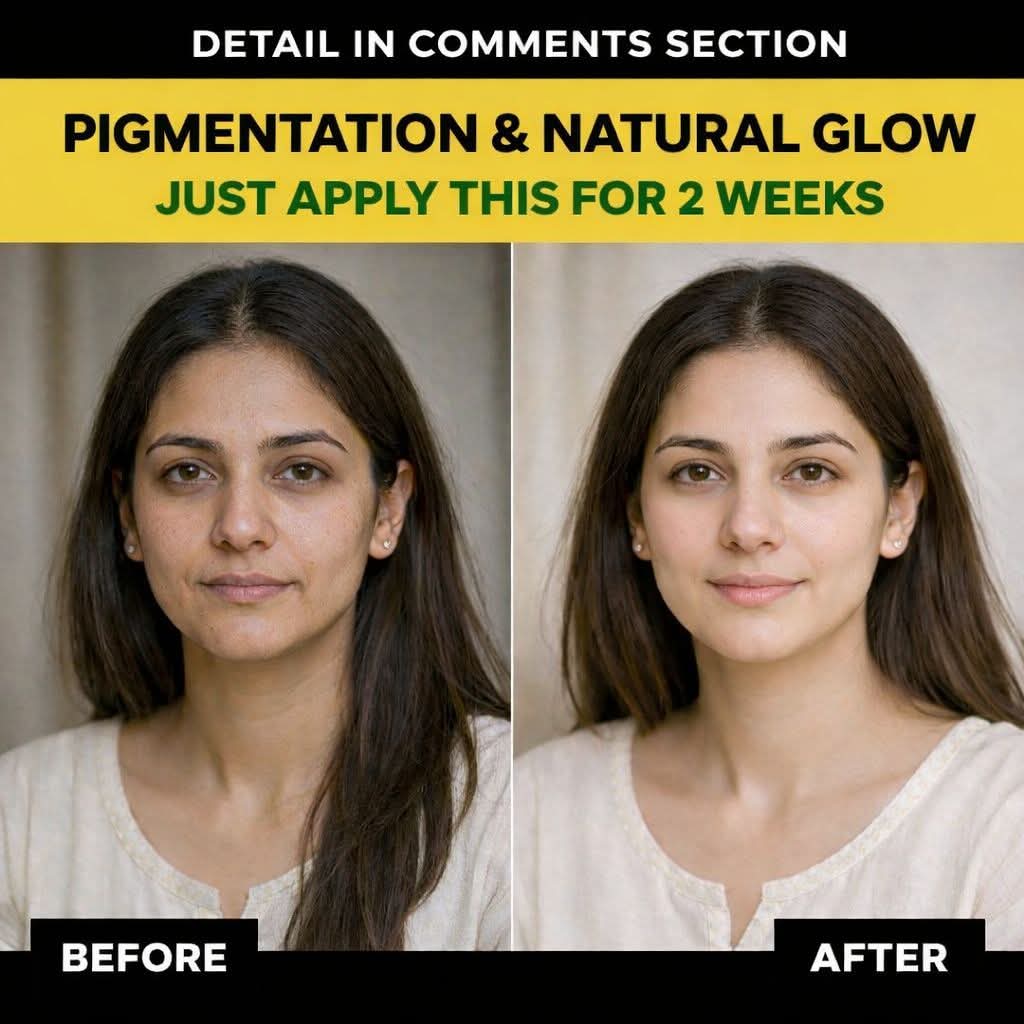
Skin pigmentation is one of the most common concerns affecting confidence and overall appearance. Uneven skin tone, dark patches, and dullness often develop due to sun exposure, hormonal changes, stress, poor diet, and improper skincare habits. While cosmetic treatments exist, many people prefer gentle, natural methods that support the skin’s own repair system without causing irritation.
This article focuses on skin-type–specific natural remedies designed to reduce pigmentation and restore a healthy glow within two weeks. Each remedy uses simple, easily available ingredients and explains how and why they work scientifically, so you understand what you are applying to your skin and how it supports visible improvement.
Remedy 1: For Normal Skin
Ingredients (with scientific benefit)
- Rice flour – 1 tablespoon
Rich in ferulic acid and allantoin, rice flour gently exfoliates dead skin cells and reduces melanin accumulation, helping brighten skin tone. - Raw milk – 1 tablespoon
Contains lactic acid, a natural alpha hydroxy acid that promotes mild exfoliation and improves skin clarity. - Honey – 1 teaspoon
Acts as a humectant and provides antibacterial and antioxidant support, improving glow and skin repair. - Aloe vera gel – 1 teaspoon
Contains aloin, which inhibits excess melanin production and calms pigmentation. - Rose water – 1 teaspoon
Maintains skin pH and improves blood circulation, enhancing natural radiance. - Turmeric powder – a pinch
Curcumin in turmeric reduces tyrosinase activity, the enzyme responsible for pigmentation.
Procedure
- Mix all ingredients into a smooth paste.
- Apply evenly to clean face and neck.
- Leave on for 15 minutes.
- Rinse with lukewarm water and pat dry.
How Often to Apply
Apply once daily in the evening for at least 5 consecutive days, continue up to 2 weeks.
Initial Results
Within 2–3 days, skin looks fresher and slightly brighter. Pigmentation starts softening by the end of the first week.
Remedy 2: For Combination Skin
Ingredients (with scientific benefit)
- Multani mitti – 1 tablespoon
Absorbs excess oil while improving circulation and removing impurities. - Cucumber juice – 1 tablespoon
Rich in vitamin C and caffeic acid, reduces melanin formation and cools skin. - Yogurt – 1 teaspoon
Contains probiotics and lactic acid that improve skin renewal. - Honey – 1 teaspoon
Balances moisture in dry and oily zones. - Licorice powder – ½ teaspoon
Glabridin in licorice inhibits pigmentation pathways. - Rose water – as needed
Helps blend ingredients and soothes skin.
Procedure
- Combine all ingredients into a soft paste.
- Apply mainly on pigmented areas and T-zone lightly.
- Leave for 12–15 minutes.
- Rinse gently.
How Often to Apply
Apply on alternate days for 10–14 days.
Initial Results
Oil balance improves in 3 days, while pigmentation gradually fades with consistent use.
Remedy 3: For Oily Skin
Ingredients (with scientific benefit)
- Besan (gram flour) – 1 tablespoon
Removes excess sebum and unclogs pores. - Tomato pulp – 1 teaspoon
Lycopene reduces oxidative stress and lightens pigmentation. - Aloe vera gel – 1 teaspoon
Controls oil production and reduces melanin synthesis. - Lemon peel powder – ½ teaspoon
High in vitamin C, supports collagen and brightening. - Neem powder – ½ teaspoon
Provides antibacterial action and reduces inflammation. - Rose water – as needed
Procedure
- Mix ingredients well.
- Apply thin layer to face.
- Leave for 10 minutes only.
- Rinse thoroughly.
How Often to Apply
Use 3–4 times a week for 2 weeks.
Initial Results
Oiliness reduces within 2–3 days, with visible glow appearing by the end of week one.
Remedy 4: For Dry Skin
Ingredients (with scientific benefit)
- Mashed banana – 1 tablespoon
Rich in vitamins A and C, improves skin elasticity and tone. - Milk cream – 1 teaspoon
Provides lipids that restore skin barrier. - Honey – 1 teaspoon
Locks in moisture and supports healing. - Almond oil – 3–4 drops
Contains vitamin E that reduces oxidative pigmentation. - Oat flour – 1 teaspoon
Soothes dryness and gently exfoliates. - Rose water – few drops
Procedure
- Mix into a creamy paste.
- Apply generously on face and neck.
- Leave for 20 minutes.
- Rinse gently.
How Often to Apply
Apply daily for 7 days, then alternate days.
Initial Results
Skin feels nourished within 1–2 days, pigmentation appears lighter after one week.
Remedy 5: For Sensitive Skin
Ingredients (with scientific benefit)
- Oatmeal powder – 1 tablespoon
Contains beta-glucan that reduces irritation and redness. - Chamomile tea (cooled) – 1 tablespoon
Has anti-inflammatory flavonoids that calm sensitive skin. - Aloe vera gel – 1 teaspoon
Reduces melanin activity and irritation. - Honey – ½ teaspoon
Repairs skin barrier gently. - Cucumber paste – 1 teaspoon
Cools and reduces pigmentation safely. - Rose water – few drops
Procedure
- Mix gently without vigorous stirring.
- Apply a thin layer.
- Leave for 10 minutes.
- Rinse with cool water.
How Often to Apply
Apply every third day for 2 weeks.
Initial Results
Redness calms in 2 days, gradual glow develops without irritation.
Diet Plan to Support Pigmentation Removal and Natural Glow
Daily Morning
- Warm water with soaked chia seeds
- One seasonal fruit rich in vitamin C (orange, guava)
Breakfast
- Oatmeal with nuts and seeds
- One boiled egg or yogurt
Lunch
- Green vegetables (spinach, bottle gourd)
- Brown rice or whole wheat roti
- Lentils or grilled vegetables
Evening
- Green tea or chamomile tea
- Handful of almonds or walnuts
Dinner
- Light protein (lentils, fish, or yogurt)
- Steamed vegetables
- Avoid fried or sugary foods
Hydration
- 8–10 glasses of water daily
- Add cucumber or lemon slices occasionally
Final Tips and Duration Guidance
- Always do a patch test before applying any remedy.
- Avoid direct sun exposure and use physical sun protection like scarves or hats.
- Keep pillowcases and towels clean.
- Manage stress and ensure 7–8 hours of sleep.
How Long to Continue
- Follow these home remedies consistently for 2 weeks.
- Maintain the diet plan alongside remedies for better and faster results.
- If pigmentation persists beyond 3–4 weeks, worsens, or is linked to hormonal or medical issues, consult a qualified doctor or dermatologist for proper evaluation.