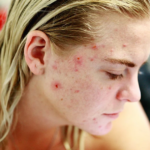
The image highlights a classic presentation of keratosis pilaris—small, rough, red or skin-colored bumps typically seen on the thighs, arms, or buttocks. These bumps are caused by the buildup of keratin, a protein that blocks hair follicles, leading to a textured, uneven appearance often described as “chicken skin.”
While keratosis pilaris is harmless, it can significantly affect skin confidence. The “before” image shows inflamed, bumpy skin, whereas the “after” suggests smoother, hydrated, and more even-toned skin. Although it cannot be permanently cured, consistent care using natural exfoliation and hydration techniques can dramatically improve its appearance.
Below are scientifically grounded, skin-type-specific remedies to help manage and smooth keratosis pilaris effectively.

Specific Remedies
Remedy 1: For Dry Skin
Ingredients:
- 1 tablespoon coconut oil
- 1 teaspoon brown sugar
- 1 teaspoon honey
- 1 teaspoon oatmeal powder
- 2 drops vitamin E oil
- 1 teaspoon aloe vera gel
The Science Behind It
- Coconut oil provides deep hydration and strengthens the skin barrier, reducing dryness that worsens keratosis pilaris.
- Brown sugar acts as a gentle physical exfoliant, removing keratin buildup from hair follicles.
- Honey retains moisture and has antibacterial properties that prevent irritation.
- Oatmeal contains beta-glucans and anti-inflammatory compounds that soothe rough skin.
- Vitamin E oil protects skin from oxidative stress and enhances healing.
- Aloe vera hydrates and reduces inflammation while supporting skin regeneration.
Procedure:
Mix all ingredients into a grainy paste. Gently massage onto affected areas in circular motions for 3–5 minutes. Leave on for another 10 minutes before rinsing.
How Often to Apply:
3 times a week for 2 weeks.
Initial Results:
Within 2–3 days, skin feels softer with reduced dryness and slight smoothing of bumps.
Remedy 2: For Oily Skin
Ingredients:
- 1 tablespoon yogurt
- 1 teaspoon lemon juice
- 1 teaspoon rice flour
- 1 teaspoon neem powder
- 1 teaspoon aloe vera gel
- 2 drops tea tree oil
The Science Behind It
- Yogurt contains lactic acid, which dissolves keratin plugs and exfoliates gently.
- Lemon juice enhances exfoliation and reduces pigmentation around bumps.
- Rice flour physically exfoliates dead skin cells.
- Neem powder has antibacterial and anti-inflammatory properties, reducing follicular blockage.
- Aloe vera soothes irritation and balances hydration.
- Tea tree oil prevents bacterial buildup in clogged follicles.
Procedure:
Combine ingredients into a paste and apply to affected areas. Leave for 15 minutes, then gently scrub before rinsing.
How Often to Apply:
Alternate days for 10–14 days.
Initial Results:
Within 2 days, skin appears less oily and slightly smoother.
Remedy 3: For Sensitive Skin
Ingredients:
- 1 tablespoon colloidal oatmeal
- 1 tablespoon cucumber juice
- 1 teaspoon chamomile tea
- 1 teaspoon aloe vera gel
- 1 teaspoon mashed avocado
- 1 drop lavender oil
The Science Behind It
- Colloidal oatmeal forms a protective barrier and reduces itching and irritation.
- Cucumber juice cools and hydrates inflamed skin.
- Chamomile tea contains bisabolol, which calms inflammation.
- Aloe vera reduces redness and supports healing.
- Avocado is rich in healthy fats that repair the skin barrier.
- Lavender oil promotes skin repair and reduces irritation.
Procedure:
Mix into a smooth paste and apply gently without scrubbing. Leave for 10–15 minutes and rinse with cool water.
How Often to Apply:
2–3 times weekly.
Initial Results:
Redness and irritation begin to reduce within 1–2 days.
Remedy 4: For Combination Skin
Ingredients:
- 1 tablespoon papaya pulp
- 1 teaspoon yogurt
- 1 teaspoon honey
- 1 teaspoon gram flour
- 1 teaspoon aloe vera gel
- 2 drops jojoba oil
The Science Behind It
- Papaya contains papain enzyme that breaks down keratin buildup.
- Yogurt provides lactic acid for chemical exfoliation.
- Honey balances moisture across dry and oily areas.
- Gram flour cleanses and exfoliates gently.
- Aloe vera soothes and hydrates.
- Jojoba oil regulates sebum production and prevents dryness.
Procedure:
Apply evenly and massage gently for 2–3 minutes. Leave for 10 minutes before rinsing.
How Often to Apply:
3 times weekly for 2 weeks.
Initial Results:
Skin texture improves with noticeable smoothness in 3 days.
Remedy 5: For Normal Skin
Ingredients:
- 1 tablespoon coffee grounds
- 1 teaspoon coconut oil
- 1 teaspoon sugar
- 1 teaspoon honey
- 1 teaspoon aloe vera gel
- 1 teaspoon rose water
The Science Behind It
- Coffee grounds stimulate circulation and exfoliate dead skin cells.
- Coconut oil moisturizes deeply.
- Sugar removes keratin plugs gently.
- Honey hydrates and heals.
- Aloe vera reduces inflammation.
- Rose water tones and refreshes the skin.
Procedure:
Mix ingredients and scrub gently over affected areas for 3–4 minutes. Leave for 10 minutes before rinsing.
How Often to Apply:
2–3 times weekly.
Initial Results:
Skin feels smoother and more polished within 2–3 days.
Targeted Diet Plan for Healing
Vegetarian Diet Plan
- Spinach and broccoli (rich in vitamins A and C)
- Carrots (beta-carotene for skin renewal)
- Flaxseeds and chia seeds (omega-3 fatty acids)
- Lentils and beans (protein for repair)
- Amla (vitamin C for collagen support)
- Sweet potatoes (skin regeneration support)
Non-Vegetarian Diet Plan
- Salmon (omega-3 reduces inflammation)
- Eggs (biotin and protein)
- Chicken (lean protein for tissue repair)
- Sardines (vitamin D and fatty acids)
- Bone broth (collagen support)
- Tuna (zinc for skin healing)
Diabetic-Friendly Diet Plan
- Whole grains like oats and quinoa
- Bitter gourd
- Green leafy vegetables
- Nuts and seeds
- Low-GI fruits like apples and berries
- Unsweetened yogurt
Heart Patient-Friendly Diet Plan
- Olive oil
- Avocados
- Almonds and walnuts
- Oats
- Steamed vegetables
- Fruits like oranges and pears
Final Tips & Conclusion
Keratosis pilaris improves significantly with consistent exfoliation and hydration. Avoid harsh scrubbing, as it can worsen inflammation. Use lukewarm water instead of hot showers, and always moisturize immediately after bathing to lock in hydration.
Summary:
A combination of gentle exfoliation, deep hydration, and nutrient-rich diet helps reduce keratin buildup and smooth the skin over time.
Timeline:
Follow these remedies consistently for 2–4 weeks to notice visible improvement in skin texture.
Medical Disclaimer:
If the problem persists after this period, you must see a certified doctor or healthcare professional.