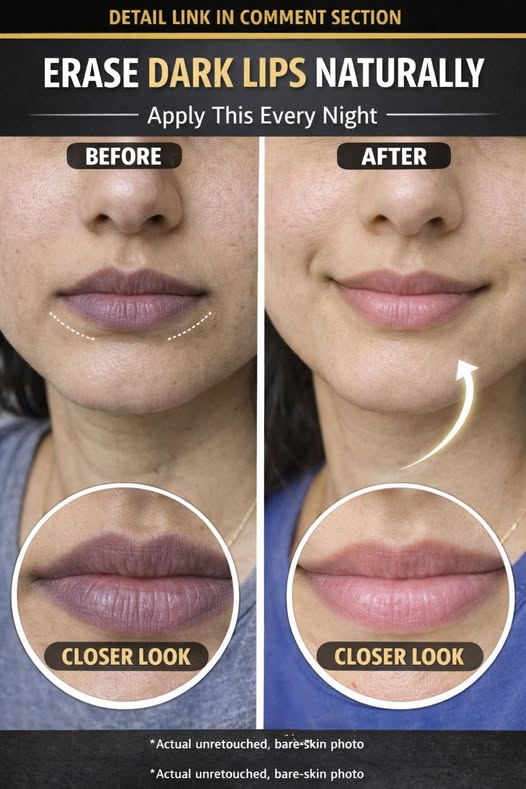
Dark lips are a very common beauty concern caused by dehydration, smoking, excessive sun exposure, caffeine, dead skin buildup, low-quality cosmetics, and nutritional deficiencies. Lips contain thinner skin compared to the rest of the face, which makes them more vulnerable to pigmentation and dryness. Natural remedies can gradually improve lip tone, softness, and hydration when the right ingredients are used consistently.
The remedies below are designed according to different skin types and include ingredients that are traditionally trusted and also supported by scientific studies for exfoliation, hydration, antioxidant protection, collagen support, and pigmentation reduction.
Remedy 1: For Normal Skin
Ingredients
- 1 teaspoon honey
(Natural humectant that attracts moisture and repairs damaged lip skin) - 1 teaspoon beetroot juice
(Contains betalains and vitamin C that help brighten dull lips) - 1/2 teaspoon milk cream
(Rich in lactic acid which gently exfoliates pigmentation) - 3 drops almond oil
(Contains vitamin E that nourishes and softens lips) - 1 pinch turmeric
(Curcumin helps reduce inflammation and oxidative damage) - 1/2 teaspoon rice flour
(Acts as a mild exfoliator to remove dead cells)
Scientific Working of These Ingredients
Honey forms a protective moisture barrier that reduces dryness and cracking. Beetroot contains antioxidants that improve natural lip color temporarily while supporting skin repair. Lactic acid in milk cream removes superficial pigmented skin cells. Almond oil provides fatty acids and vitamin E which protect delicate lip tissue from environmental damage. Turmeric helps reduce free-radical stress that contributes to discoloration.
Procedure
- Mix all ingredients in a small bowl.
- Apply the mixture evenly on clean lips.
- Massage gently for 1 minute.
- Leave it for 15 minutes.
- Wash with lukewarm water.
- Apply plain coconut oil afterward.
How Often to Apply
Apply every night for 5 consecutive days.
Initial Results
Within 2–3 days lips may appear softer, smoother, and slightly brighter. Dry flakes may reduce noticeably.
Remedy 2: For Combination Skin
Ingredients
- 1 teaspoon aloe vera gel
(Hydrates while calming irritation) - 1 teaspoon cucumber juice
(Contains silica and antioxidants that soothe pigmentation) - 1/2 teaspoon yogurt
(Lactic acid gently exfoliates darkened skin) - 1 teaspoon potato juice
(Contains catecholase enzyme believed to support skin brightening) - 4 drops olive oil
(Provides essential fatty acids and antioxidants) - 1 teaspoon oat powder
(Mild exfoliation without damaging lip barrier)
Scientific Working of These Ingredients
Aloe vera contains aloesin, which may help reduce pigmentation formation. Yogurt naturally exfoliates through lactic acid while maintaining moisture balance. Potato juice is traditionally used for skin brightening because of its natural enzymes and vitamin C. Olive oil protects the skin barrier against dryness and irritation.
Procedure
- Combine all ingredients into a creamy paste.
- Apply a thick layer on lips.
- Leave for 20 minutes.
- Massage gently with wet fingers.
- Rinse carefully.
How Often to Apply
Use on alternate nights for one week.
Initial Results
Lips may start feeling hydrated and appear more even-toned within 3 days.
Remedy 3: For Oily Skin
Ingredients
- 1 teaspoon lemon juice
(Natural citric acid exfoliates dark skin cells) - 1 teaspoon honey
(Balances moisture while preventing irritation) - 1 teaspoon tomato pulp
(Contains lycopene and vitamin C) - 1/2 teaspoon rose water
(Soothes inflammation and refreshes skin) - 1 teaspoon gram flour
(Absorbs excess oil and cleanses surface buildup) - 3 drops coconut oil
(Protects lips from over-drying)
Scientific Working of These Ingredients
Citric acid from lemon removes dead pigmented skin gradually, while vitamin C supports collagen production. Lycopene in tomatoes provides antioxidant protection against sun-related pigmentation. Rose water reduces irritation and helps maintain pH balance. Honey prevents excessive dryness caused by acidic ingredients.
Procedure
- Mix all ingredients thoroughly.
- Apply carefully to lips only.
- Leave for 10–12 minutes.
- Wash with cool water.
- Follow with a thin layer of petroleum jelly or coconut oil.
How Often to Apply
Apply 3 times weekly at night.
Initial Results
Lips may look fresher and less dull after 2–4 applications.
Remedy 4: For Dry Skin
Ingredients
- 1 teaspoon coconut oil
(Deep moisturization and barrier repair) - 1 teaspoon shea butter
(Rich in vitamins A and E) - 1 teaspoon pomegranate juice
(Contains punicalagins and antioxidants) - 1/2 teaspoon honey
(Locks in hydration) - 1 capsule vitamin E oil
(Supports skin repair and healing) - 1 teaspoon brown sugar
(Gentle exfoliation)
Scientific Working of These Ingredients
Coconut oil contains medium-chain fatty acids that deeply nourish dry lips. Shea butter reduces transepidermal water loss and improves elasticity. Pomegranate contains polyphenols that help protect lips from environmental damage and support skin renewal. Vitamin E helps reduce oxidative stress and improves softness.
Procedure
- Mix ingredients into a thick scrub-like texture.
- Gently scrub lips for 1 minute.
- Leave the remaining layer on for another 15 minutes.
- Wipe with soft cotton.
How Often to Apply
Use daily at bedtime for 5–7 days.
Initial Results
Cracks and roughness may reduce within 2 days, while lips may appear healthier and pinker after several applications.
Remedy 5: For Sensitive Skin
Ingredients
- 1 teaspoon chamomile tea water
(Reduces irritation and inflammation) - 1 teaspoon aloe vera gel
(Hydrates sensitive tissue) - 1 teaspoon cucumber pulp
(Cooling and soothing effect) - 1/2 teaspoon raw milk
(Gentle exfoliation through lactic acid) - 1 teaspoon flaxseed gel
(Forms protective moisture layer) - 2 drops sweet almond oil
(Nourishes delicate skin)
Scientific Working of These Ingredients
Chamomile contains apigenin and anti-inflammatory compounds that calm irritation. Flaxseed gel creates a protective barrier that prevents moisture loss. Aloe vera promotes healing while reducing redness. Raw milk gently removes surface discoloration without aggressive exfoliation.
Procedure
- Blend all ingredients into a smooth gel.
- Refrigerate for 10 minutes.
- Apply a cooling layer on lips.
- Leave for 20 minutes.
- Rinse gently with water.
How Often to Apply
Use every evening for at least 5 days.
Initial Results
Sensitive lips may feel calmer and softer within 1–2 days with gradual improvement in lip tone.
Final Tips
- Drink at least 8–10 glasses of water daily.
- Avoid smoking and excessive caffeine.
- Always remove lipstick before sleeping.
- Use SPF lip balm during daytime.
- Avoid licking lips repeatedly because saliva increases dryness.
- Perform a patch test before using any new ingredient.
- Sleep properly because poor sleep can worsen dull skin tone.
- Visible improvement usually begins within 2–3 days, while deeper pigmentation may take several weeks of consistency.
Diet Plan for Naturally Pink and Healthy Lips
Morning
- Warm water with lemon and honey
- 5 soaked almonds
- 1 seasonal fruit rich in vitamin C
Breakfast
- Eggs or oatmeal
- Beetroot or carrot juice
- Yogurt with flaxseeds
Lunch
- Green vegetables
- Lentils or lean protein
- Cucumber and tomato salad
Evening
- Coconut water or pomegranate juice
- Handful of walnuts or sunflower seeds
Dinner
- Light homemade meal
- Soup with vegetables rich in antioxidants
- Avoid excessive spicy and salty foods
Foods That Help Lip Pigmentation
- Beetroot
- Pomegranate
- Tomatoes
- Citrus fruits
- Nuts and seeds
- Spinach
- Carrots
Continue these remedies and diet improvements for at least 3–4 weeks for visible long-term improvement. If severe darkness, cracking, pain, or sudden pigmentation persists, consult a dermatologist or healthcare professional.
References for the above remedy
- Honey and skin healing properties
https://pmc.ncbi.nlm.nih.gov/articles/PMC5424551/ - Aloe vera and pigmentation studies
https://pmc.ncbi.nlm.nih.gov/articles/PMC2763764/ - Vitamin E and skin protection research
https://ods.od.nih.gov/factsheets/VitaminE-HealthProfessional/ - Lactic acid and exfoliation benefits
https://pubmed.ncbi.nlm.nih.gov/8784274/ - Coconut oil and skin barrier repair
https://pmc.ncbi.nlm.nih.gov/articles/PMC6335493/ - Pomegranate antioxidant effects on skin
https://pmc.ncbi.nlm.nih.gov/articles/PMC3673383/ - Chamomile anti-inflammatory properties
https://pmc.ncbi.nlm.nih.gov/articles/PMC2995283/ - Olive oil and skin moisturization
https://pmc.ncbi.nlm.nih.gov/articles/PMC5796020/ - Turmeric and curcumin skin benefits
https://pmc.ncbi.nlm.nih.gov/articles/PMC5664031/ - Almond oil and skin barrier support
https://pubmed.ncbi.nlm.nih.gov/20129403/