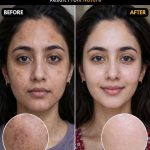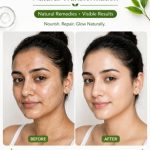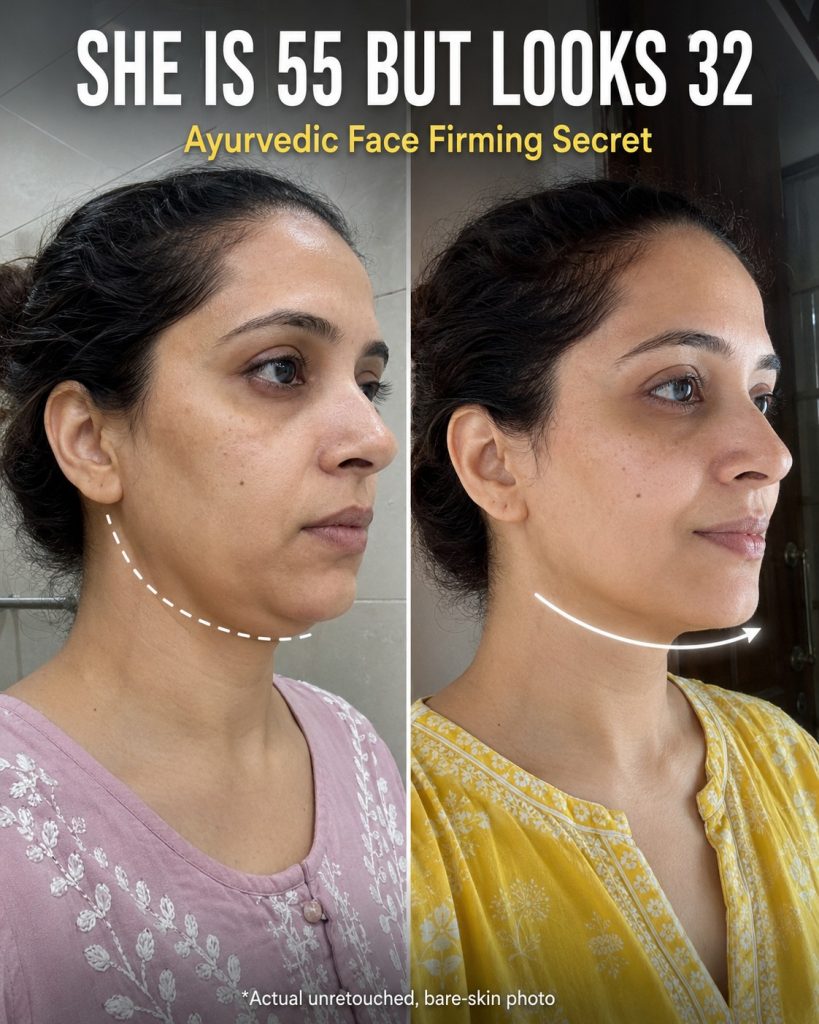
As we age, the skin naturally loses collagen, elastin, and moisture, leading to sagging around the jawline, cheeks, and neck. Stress, lack of sleep, dehydration, sun exposure, and poor nutrition can accelerate these signs of aging. Ayurveda has long used natural herbs, oils, and nutrient-rich ingredients to improve skin elasticity and support a firmer facial appearance without harsh treatments.
The remedies below are designed according to different skin types and use scientifically supported ingredients known for antioxidant protection, collagen support, hydration, circulation improvement, and skin barrier repair.
Remedy 1: For Normal Skin
Ingredients
- 1 teaspoon aloe vera gel
(Supports collagen production and skin hydration) - 1 teaspoon sandalwood powder
(Traditionally used for calming and tightening skin) - 1 teaspoon honey
(Natural humectant that keeps skin plump) - 1 teaspoon yogurt
(Contains lactic acid for gentle exfoliation) - 4 drops almond oil
(Rich in vitamin E and fatty acids) - 1/2 teaspoon rice flour
(Helps improve skin texture and firmness)
Scientific Working of These Ingredients
Aloe vera contains polysaccharides that support hydration and skin repair. Yogurt provides lactic acid, which removes dead skin cells and improves smoothness. Honey attracts moisture and temporarily plumps fine lines. Almond oil provides antioxidants that help protect collagen fibers from oxidative stress. Rice flour gently exfoliates and improves skin texture.
Procedure
- Mix all ingredients into a smooth paste.
- Apply evenly on face and neck.
- Leave for 20 minutes.
- Massage upward gently for 2 minutes before washing.
- Rinse with lukewarm water.
How Often to Apply
Use every night for 5–7 days.
Initial Results
Skin may feel softer, smoother, and slightly firmer within 2–3 days.
Remedy 2: For Combination Skin
Ingredients
- 1 teaspoon cucumber juice
(Hydrates and cools tired skin) - 1 teaspoon multani mitti
(Helps improve skin texture and absorb excess oil) - 1 teaspoon rose water
(Maintains skin balance and refreshes) - 1 teaspoon mashed papaya
(Contains papain enzyme for skin renewal) - 1/2 teaspoon flaxseed gel
(Provides omega-3 fatty acids and forms a tightening layer) - 3 drops olive oil
(Protects skin barrier from dehydration)
Scientific Working of These Ingredients
Papaya enzymes help remove damaged skin cells and improve brightness. Flaxseed gel forms a temporary tightening film over the skin while providing omega-3 fatty acids. Rose water helps soothe irritation and maintain hydration balance. Olive oil provides antioxidants such as vitamin E and polyphenols that protect aging skin.
Procedure
- Blend all ingredients thoroughly.
- Apply a medium-thick layer on clean skin.
- Leave for 15–18 minutes.
- Wash gently using cool water.
How Often to Apply
Apply on alternate nights for one week.
Initial Results
Skin may look fresher and more toned after 3–4 applications.
Remedy 3: For Oily Skin
Ingredients
- 1 teaspoon tomato pulp
(Rich in lycopene and antioxidants) - 1 teaspoon gram flour
(Controls excess oil and cleanses pores) - 1 teaspoon green tea water
(Contains catechins that fight oxidative stress) - 1/2 teaspoon lemon juice
(Natural exfoliating citric acid) - 1 teaspoon aloe vera gel
(Hydrates without heaviness) - 1 pinch turmeric
(Anti-inflammatory and antioxidant support)
Scientific Working of These Ingredients
Green tea catechins help reduce oxidative stress that contributes to aging. Tomato lycopene protects skin from environmental damage. Lemon provides mild exfoliation that improves dullness. Aloe vera hydrates oily skin without clogging pores. Turmeric helps reduce inflammation associated with aging skin.
Procedure
- Mix ingredients into a paste.
- Apply carefully to face and jawline.
- Leave for 12–15 minutes.
- Wash with cool water and pat dry.
How Often to Apply
Use 3 times weekly at night.
Initial Results
Skin may appear cleaner, smoother, and more refreshed within several uses.
Remedy 4: For Dry Skin
Ingredients
- 1 teaspoon avocado pulp
(Rich in healthy fats and vitamin E) - 1 teaspoon honey
(Deep hydration support) - 1 teaspoon milk cream
(Contains nourishing fats and lactic acid) - 1 teaspoon banana paste
(Provides potassium and moisture) - 1 capsule vitamin E oil
(Supports skin repair) - 1 teaspoon oat powder
(Gentle exfoliation and soothing effect)
Scientific Working of These Ingredients
Avocado contains fatty acids and antioxidants that improve elasticity and dryness. Banana helps soften rough skin due to its potassium content. Milk cream provides fats and lactic acid for smoother skin texture. Oats help calm irritation and protect the skin barrier.
Procedure
- Mash all ingredients into a creamy mixture.
- Apply generously on face and neck.
- Leave for 20 minutes.
- Massage upward before rinsing.
How Often to Apply
Use daily before bedtime for 5 days.
Initial Results
Dry skin may feel deeply moisturized and appear healthier within 2–3 days.
Remedy 5: For Sensitive Skin
Ingredients
- 1 teaspoon chamomile tea water
(Calms redness and irritation) - 1 teaspoon aloe vera gel
(Supports healing and hydration) - 1 teaspoon cucumber pulp
(Cooling and soothing effect) - 1 teaspoon mashed boiled rice
(Softens and nourishes skin barrier) - 2 drops sweet almond oil
(Provides gentle nourishment) - 1 teaspoon raw milk
(Very mild exfoliation through lactic acid)
Scientific Working of These Ingredients
Chamomile contains anti-inflammatory compounds that help calm stressed skin. Aloe vera supports healing and hydration without irritation. Cucumber reduces puffiness and provides cooling antioxidants. Rice starch helps strengthen the skin barrier and improve softness.
Procedure
- Blend ingredients into a smooth mixture.
- Chill for 10 minutes before use.
- Apply gently on face and neck.
- Leave for 15–20 minutes.
- Wash carefully with cool water.
How Often to Apply
Use every evening for at least 5 days.
Initial Results
Sensitive skin may feel calmer, softer, and more hydrated after a few applications.
Final Tips
- Sleep at least 7–8 hours daily because collagen repair happens during sleep.
- Drink enough water to maintain skin elasticity.
- Avoid excessive sugar and processed foods.
- Use sunscreen daily to protect collagen fibers.
- Practice gentle upward facial massage for 3–5 minutes daily.
- Avoid harsh scrubs and strong chemical products.
- Include antioxidant-rich foods in your meals.
- Visible improvement may begin within 2–3 days, while firmer-looking skin usually develops gradually with consistent care.
Diet Plan for Firmer and Youthful Skin
Morning
- Warm water with lemon
- 5 soaked almonds
- 1 teaspoon flaxseeds
Breakfast
- Oatmeal with fruits
- Green tea
- Boiled eggs or yogurt
Lunch
- Spinach or green vegetables
- Lentils or grilled protein
- Salad with cucumber and carrots
Evening
- Coconut water or pomegranate juice
- Handful of walnuts
Dinner
- Light homemade meal
- Vegetable soup
- Avoid excessive fried foods at night
Foods That Naturally Support Skin Firmness
- Avocado
- Pomegranate
- Nuts and seeds
- Green tea
- Papaya
- Tomatoes
- Yogurt
- Leafy vegetables
Continue these remedies and healthy eating habits for at least 4–6 weeks for more noticeable long-term results. If severe sagging, irritation, or sudden skin changes persist, consult a dermatologist.
References for the above remedy
- Aloe vera and skin repair benefits
https://pmc.ncbi.nlm.nih.gov/articles/PMC2763764/ - Honey and wound healing properties
https://pmc.ncbi.nlm.nih.gov/articles/PMC5424551/ - Green tea antioxidants and skin protection
https://pmc.ncbi.nlm.nih.gov/articles/PMC5384166/ - Vitamin E and skin health research
https://ods.od.nih.gov/factsheets/VitaminE-HealthProfessional/ - Oat compounds and skin barrier support
https://pmc.ncbi.nlm.nih.gov/articles/PMC5453925/ - Turmeric and anti-aging skin benefits
https://pmc.ncbi.nlm.nih.gov/articles/PMC5664031/ - Olive oil and skin moisturization studies
https://pmc.ncbi.nlm.nih.gov/articles/PMC5796020/ - Papaya enzymes and skin renewal research
https://pmc.ncbi.nlm.nih.gov/articles/PMC3583886/ - Chamomile anti-inflammatory properties
https://pmc.ncbi.nlm.nih.gov/articles/PMC2995283/ - Lactic acid exfoliation and skin texture improvement
https://pubmed.ncbi.nlm.nih.gov/8784274/