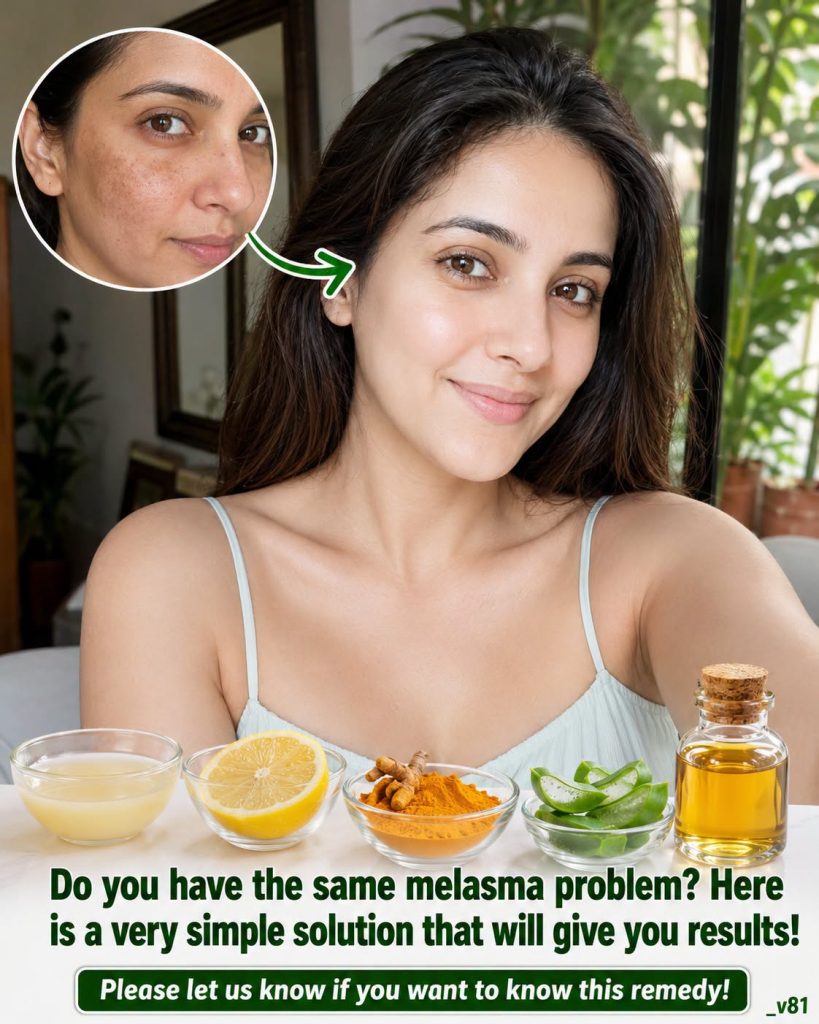
Melasma is a common pigmentation condition caused by sun exposure, hormonal changes, and inflammation. While home remedies cannot completely eliminate melasma, ingredients rich in antioxidants and anti-inflammatory compounds may help improve skin brightness and reduce uneven pigmentation when used consistently along with daily sunscreen.
Why These Ingredients Work Scientifically
Lemon Juice
Lemon contains vitamin C and citric acid. Vitamin C inhibits tyrosinase, an enzyme involved in melanin production, helping brighten the skin. Because lemon can irritate sensitive skin and increase sun sensitivity, it should always be diluted and used cautiously.
Turmeric
Turmeric contains curcumin, a powerful antioxidant with anti-inflammatory properties. Curcumin has been shown to inhibit tyrosinase activity and may help reduce hyperpigmentation.
Aloe Vera
Aloe vera contains aloin and polysaccharides. Aloin has skin-lightening properties, while aloe vera hydrates and soothes irritated skin.
Extra Virgin Olive Oil
Olive oil contains vitamin E, squalene, and polyphenols that strengthen the skin barrier and protect against oxidative stress.
Melasma Brightening Gel
Ingredients
- 1 tablespoon fresh aloe vera gel
- ½ teaspoon turmeric powder
- ½ teaspoon fresh lemon juice
- 1 teaspoon extra virgin olive oil
- 1 teaspoon rose water (optional, for sensitive skin)
Procedure
- Extract fresh aloe vera gel into a bowl.
- Add turmeric powder and mix well.
- Add lemon juice and olive oil.
- Stir until a smooth gel forms.
- Apply a thin layer to areas affected by pigmentation.
- Leave for 15–20 minutes.
- Rinse with cool water and apply moisturizer.
How Often to Apply
- Use 3 times weekly at night.
- Always wash off before sleeping.
- Apply broad-spectrum SPF 30 or higher every morning.
- Continue consistently for 8–12 weeks.
Initial Results
Within 1–2 Weeks
- Skin feels softer and hydrated.
- Complexion appears brighter.
Within 4–8 Weeks
- Uneven skin tone gradually improves.
- Dark patches may appear lighter.
- Skin texture becomes smoother.
Results vary, and complete clearing of melasma usually requires long-term treatment and strict sun protection.
Scientific Benefits of Each Ingredient
Curcumin in Turmeric
Curcumin reduces oxidative stress and inhibits melanin formation, helping improve hyperpigmentation.
Aloin in Aloe Vera
Aloin may interfere with melanin production and help lighten dark spots over time.
Vitamin C in Lemon
Vitamin C is a natural antioxidant that helps brighten the complexion and supports collagen production.
Vitamin E in Olive Oil
Vitamin E protects the skin barrier and reduces damage caused by free radicals.
Diet Plan for Pigmentation and Skin Health
Morning
- Warm water with lemon.
- Five soaked almonds.
Breakfast
- Oatmeal with berries and flaxseeds.
- One orange or kiwi for vitamin C.
Lunch
- Lentils or grilled fish.
- Spinach and cucumber salad.
Evening Snack
- Papaya or guava.
- Green tea.
Dinner
- Vegetable soup with whole grains.
- Tomatoes and carrots.
Additional Tips
- Use sunscreen every day, even indoors.
- Wear a hat and avoid excessive sun exposure.
- Drink 8–10 glasses of water daily.
- Avoid harsh scrubbing and picking at the skin.
- Perform a patch test before using the remedy.
- If irritation develops, discontinue use immediately.
Continue this remedy and healthy diet for at least 2–3 months. If melasma worsens, spreads rapidly, or does not improve with sun protection and home care, consult a dermatologist. Prescription treatments and procedures may be necessary.
References for the above remedy
- Surjushe A, Vasani R, Saple DG. Aloe Vera: A Short Review. Indian Journal of Dermatology.
URL: https://pmc.ncbi.nlm.nih.gov/articles/PMC2763764/ - Vaughn AR et al. Natural Oils for Skin Barrier Repair. International Journal of Molecular Sciences.
URL: https://pmc.ncbi.nlm.nih.gov/articles/PMC5796020/ - Draelos ZD. Skin Lightening and Hyperpigmentation. Journal of Cosmetic Dermatology.
URL: https://pubmed.ncbi.nlm.nih.gov/26061470/ - National Institutes of Health. Vitamin C Fact Sheet.
URL: https://ods.od.nih.gov/factsheets/VitaminC-Consumer/ - Kocaadam B, Şanlier N. Curcumin and Its Biological Activities. Critical Reviews in Food Science and Nutrition.
URL: https://pubmed.ncbi.nlm.nih.gov/24579997/ - American Academy of Dermatology. Melasma: Diagnosis and Treatment.
URL: https://www.aad.org/public/diseases/a-z/melasma-treatment - Mayo Clinic. Melasma Causes and Prevention.
URL: https://www.mayoclinic.org/diseases-conditions/melasma/symptoms-causes/syc-20374956 - Harvard Health Publishing. Protecting Skin from Sun Damage.
URL: https://www.health.harvard.edu/staying-healthy/protecting-your-skin-from-the-sun