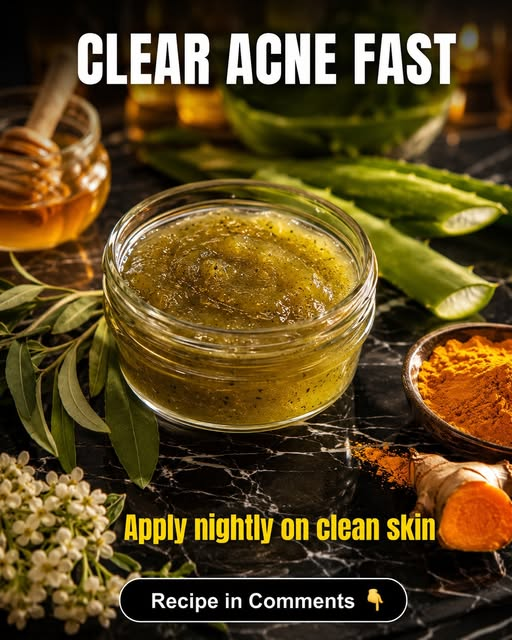
Acne can affect more than the surface of the skin. Redness, painful pimples, clogged pores, and post-acne marks may influence confidence and make people search for quick home treatments. However, “clear acne overnight” claims are usually unrealistic. Natural ingredients may calm redness, support the skin barrier, reduce excess oil, and make the skin feel more comfortable within a few days, but meaningful reduction in acne lesions usually requires several weeks of consistent care.
The remedies below are designed according to skin type and use gentle ingredients such as green tea, aloe vera, colloidal oatmeal, glycerin, and carefully diluted botanical ingredients. Human research suggests that topical green tea may reduce inflammatory acne, while colloidal oatmeal and glycerin can support hydration and the protective skin barrier. Aloe vera has shown benefit as a supportive ingredient when used with standard acne treatment. (PubMed)
Important: the individual ingredients have scientific support, but these exact homemade mixtures have not been tested as complete clinical formulas. Patch-test every remedy for 24 hours. Do not apply masks over open, bleeding, infected, or severely irritated pimples.
Remedy 1: Green Tea and Aloe Balancing Gel for Normal Skin
Normal skin usually has balanced oil production but may still develop occasional pimples because of blocked pores, hormonal changes, sweat, or inflammation.
Ingredients and Their Scientific Working
Green tea, 2 tablespoons: Green tea contains epigallocatechin gallate, commonly called EGCG. Research suggests that topical green tea may help reduce inflammation and influence excess sebum activity. (PubMed)
Pure aloe vera gel, 1 tablespoon: Aloe provides water-binding compounds that may improve hydration and reduce the uncomfortable feeling caused by irritated skin.
Finely ground colloidal oatmeal, 1 teaspoon: Oat compounds support the skin barrier and have antioxidant and soothing activity.
Vegetable glycerin, 1/4 teaspoon: Glycerin attracts water into the outer skin layer and reduces dryness.
Turmeric powder, only a tiny pinch: Curcumin has anti-inflammatory and antioxidant properties, although direct evidence for homemade turmeric acne masks remains limited. (PubMed)
Boiled and cooled water, 1 teaspoon: This provides a clean liquid base and creates a lighter gel texture.
Procedure
Brew plain green tea and allow it to cool completely. Mix two tablespoons with aloe gel. Add finely powdered oatmeal, glycerin, and a very small pinch of turmeric. Stir until smooth. Apply a thin layer to clean skin, avoiding the eyes. Leave it on for 8–10 minutes, rinse with lukewarm water, and pat dry.
How Often to Apply
Use once daily for 3–5 days. Afterward, reduce use to three times weekly if the skin remains comfortable.
Initial Results
Within 1–3 days, the skin may feel calmer, softer, and less tight. Redness may appear reduced, but existing pimples are unlikely to disappear completely within this period.
Remedy 2: Dual-Zone Aloe and Oat Mask for Combination Skin
Combination skin commonly has an oily forehead, nose, and chin with normal or dry cheeks. Applying a strong drying mask over the whole face can worsen irritation.
Ingredients and Their Scientific Working
Cooled green tea, 1 tablespoon: Supplies antioxidant polyphenols that may help calm inflammatory acne.
Aloe vera gel, 1 tablespoon: Gives lightweight hydration without using a heavy oil.
Colloidal oatmeal, 1 teaspoon: Helps reduce dryness and supports the protective barrier on the cheeks.
White kaolin clay, 1/2 teaspoon: Physically absorbs surface oil. It should be applied mainly to oily areas because excessive clay use can dry the skin.
Vegetable glycerin, 1/4 teaspoon: Helps maintain hydration in the drier areas.
Boiled and cooled water, 1–2 teaspoons: Controls the thickness and prevents the mixture from becoming too dry.
Procedure
Combine aloe, green tea, oatmeal, and glycerin. Divide the mixture into two portions. Add kaolin clay only to the portion intended for the forehead, nose, and chin. Apply the clay mixture to oily areas and the clay-free mixture to the cheeks. Leave on for 7 minutes. Rinse before the clay becomes completely hard or cracked.
How Often to Apply
Apply on alternate days for 5 days. After that, use twice weekly.
Initial Results
The oily areas may look less shiny after the first application, while the cheeks may feel smoother within 2–3 days. Oil reduction is temporary and does not mean that blocked pores have fully cleared.
Remedy 3: Green Tea and Tea Tree Routine for Oily, Acne-Prone Skin
Oily skin produces more visible sebum, but aggressively removing all oil may damage the barrier and increase irritation. A balanced routine is safer than frequent scrubbing.
Ingredients and Their Scientific Working
Pure aloe vera gel, 2 tablespoons: Provides a lightweight base and helps reduce dryness from acne care.
Strong cooled green tea, 1 tablespoon: Green tea has clinical evidence for improving inflammatory acne when used consistently. (PubMed)
Colloidal oatmeal, 1/2 teaspoon: Helps protect the barrier while excess oil is being managed.
Vegetable glycerin, 1/8 teaspoon: Prevents the mask from becoming excessively drying.
Boiled and cooled water, 1 teaspoon: Creates a thin, spreadable consistency.
A prepared 5% tea tree gel, a rice-grain amount for individual spots: Clinical studies have evaluated standardized 5% tea tree preparations for mild-to-moderate acne. Never apply pure, undiluted tea tree essential oil directly to the face. (PubMed)
Procedure
Mix aloe, green tea, oatmeal, glycerin, and water. Apply a thin layer for 5–7 minutes and rinse. After the skin is dry, apply a very small amount of prepared 5% tea tree gel only to individual pimples. Stop immediately if burning, swelling, itching, or persistent redness develops.
How Often to Apply
Use the green tea mask once daily for 3–5 days. Use the tea tree spot step once at night, only if tolerated.
Initial Results
The face may look less greasy and inflamed within 2–3 days. Clinical studies of tea tree preparations continued for weeks, so do not expect complete acne clearance after only a few applications.
Remedy 4: Oat, Aloe, and Sunflower Barrier Mask for Dry Acne-Prone Skin
Dry acne-prone skin needs moisture without heavy rubbing. Flaking can make acne appear more noticeable and may increase sensitivity to treatment.
Ingredients and Their Scientific Working
Colloidal oatmeal, 2 teaspoons: Supports barrier repair and helps reduce roughness and dryness. (PubMed)
Aloe vera gel, 1 tablespoon: Improves the water content of the mixture and offers soothing hydration.
Vegetable glycerin, 1/2 teaspoon: Helps retain moisture in the outer skin.
Cold-pressed sunflower seed oil, 2 drops: Sunflower oil contains linoleic acid and has shown more favorable barrier effects than olive oil in a small adult study. (PubMed)
Cooled green tea, 1 tablespoon: Adds antioxidant and anti-inflammatory compounds.
Boiled and cooled water, 1 tablespoon: Softens the oatmeal and prevents abrasive texture.
Procedure
Soak the oatmeal in water and green tea for five minutes. Add aloe, glycerin, and two drops of sunflower oil. Apply gently without scrubbing. Leave for 8 minutes, rinse, and pat dry. Do not massage the grains against inflamed pimples.
How Often to Apply
Apply once daily for 3 days, then every other day for one week.
Initial Results
Dryness and tightness may improve after one or two uses. The skin may appear smoother within 2–3 days, but acne lesions require longer treatment.
Remedy 5: Minimal Oat and Aloe Compress for Sensitive Skin
Sensitive skin may sting, become red easily, or react to fragrance, essential oils, harsh scrubs, and strong acids. A shorter ingredient list is often safer.
Ingredients and Their Scientific Working
Colloidal oatmeal, 2 teaspoons: Oat extracts have demonstrated anti-inflammatory and barrier-supporting activity. (PubMed)
Pure aloe vera gel, 1 teaspoon: Supplies light hydration, although some people can still react to aloe.
Weak cooled green tea, 1 tablespoon: Provides a lower-strength source of soothing polyphenols.
Vegetable glycerin, 1/4 teaspoon: Supports hydration and barrier recovery. (PubMed)
Boiled and cooled water, 2 tablespoons: Dilutes the mixture and reduces rubbing.
Procedure
Mix all ingredients and allow the oatmeal to soften for ten minutes. Soak a clean soft cotton pad or clean cotton cloth in the liquid. Place it over the affected area for 3–5 minutes. Do not scrub. Rinse with cool-to-lukewarm water.
How Often to Apply
Use once daily for 3 days. If there is no irritation, continue every other day for one week.
Initial Results
Sensitive skin may feel less hot, dry, or uncomfortable within 1–3 days. Stop immediately if redness or itching becomes worse.
Final Tips for Faster and Safer Improvement
Wash the face gently no more than twice daily and after heavy sweating. Avoid rough facial brushes, grainy scrubs, and repeated picking because irritation may increase redness and the risk of dark marks. Keep pillowcases, towels, makeup brushes, and skincare tools clean. Use non-comedogenic skincare and broad-spectrum sun protection during the day.
Do not apply lemon juice, toothpaste, undiluted apple-cider vinegar, raw garlic, baking soda, or concentrated essential oils to acne. These substances may irritate the skin and damage its protective barrier.
Hydration, regular sleep, and stress management support overall skin health. Visible comfort and improved hydration may begin within 2–3 days. Continued gentle care can improve softness and natural glow, while better hydration may temporarily soften fine dehydration lines. These remedies are not clinically proven wrinkle treatments.
Diet Plan for Acne-Prone Skin
Diet is not the only cause of acne, but dietary patterns may influence some people. Randomized studies suggest that a low-glycemic-load eating pattern may reduce acne lesion counts over approximately 10–12 weeks. (PubMed)
For breakfast, choose eggs with whole-grain bread, unsweetened oatmeal with nuts, or plain yogurt if dairy does not appear to trigger breakouts.
For lunch, eat vegetables with lentils, chickpeas, beans, grilled fish, or chicken. Choose whole wheat roti or a moderate portion of brown rice rather than large amounts of refined white bread.
For an evening snack, choose an apple, guava, cucumber, carrots, or a small handful of unsalted nuts instead of sugary drinks, biscuits, or sweets.
For dinner, include vegetables, lentil soup, fish, chicken, or beans. Avoid making fried food, sugary desserts, and refined carbohydrates daily habits.
Drink water regularly according to thirst. Continue this balanced pattern for at least 8–12 weeks before judging its effect on acne. Do not remove major food groups without medical guidance.
How Long Should You Continue?
Use the selected home remedy for 3–5 days initially. Continue only if there is no burning, itching, swelling, or worsening of acne. For longer use, limit masks to two or three times weekly. Natural support should not delay effective medical care.
See a dermatologist if acne persists beyond 6–8 weeks, repeatedly returns, leaves scars or dark marks, causes emotional distress, or includes deep, painful cysts or nodules. Professional treatment may be needed to prevent permanent scarring. (American Academy of Dermatology)
References for the above remedy
- Kim S, et al. The Effects of Green Tea on Acne Vulgaris: A Systematic Review and Meta-Analysis.
https://pubmed.ncbi.nlm.nih.gov/32812270/ - Yoon JY, et al. Epigallocatechin-3-Gallate Improves Acne in Humans by Modulating Molecular Targets.
https://pubmed.ncbi.nlm.nih.gov/23096708/ - Hajheydari Z, et al. Effect of Aloe Vera Topical Gel Combined With Tretinoin in Mild and Moderate Acne Vulgaris.
https://pubmed.ncbi.nlm.nih.gov/23336746/ - Enshaieh S, et al. The Efficacy of 5% Topical Tea Tree Oil Gel in Mild-to-Moderate Acne Vulgaris.
https://pubmed.ncbi.nlm.nih.gov/17314442/ - Reynertson KA, et al. Anti-Inflammatory Activities of Colloidal Oatmeal.
https://pubmed.ncbi.nlm.nih.gov/25607907/ - Fluhr JW, et al. Glycerol Accelerates Recovery of Barrier Function In Vivo.
https://pubmed.ncbi.nlm.nih.gov/10598752/ - Danby SG, et al. Effect of Olive and Sunflower Seed Oil on the Adult Skin Barrier.
https://pubmed.ncbi.nlm.nih.gov/22995032/ - Vaughn AR, et al. Effects of Turmeric on Skin Health: A Systematic Review.
https://pubmed.ncbi.nlm.nih.gov/27213821/ - Smith RN, et al. A Low-Glycemic-Load Diet Improves Symptoms in Acne Vulgaris Patients: A Randomized Controlled Trial.
https://pubmed.ncbi.nlm.nih.gov/17616769/ - American Academy of Dermatology. Treating Acne: Is It Time to See a Dermatologist?
https://www.aad.org/public/diseases/acne/diy/when-derm