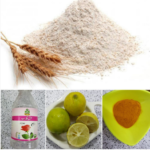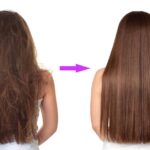
Dark spots can appear after acne, irritation, insect bites, sun exposure, hormonal changes, or other skin inflammation. These marks develop when the skin produces extra melanin, the pigment responsible for skin color. Although the image promises results in seven days, established pigmentation usually cannot be completely removed within one week. Fresh marks may begin to look calmer when irritation is controlled, but noticeable fading commonly requires several weeks or months. Dermatologists emphasize treating the original cause, avoiding irritation, and using daily sun protection because sunlight can keep existing marks dark and encourage new pigmentation. (American Academy of Dermatology)
The remedies below use natural ingredients with research related to pigmentation, inflammation, hydration, or skin-barrier support. However, these exact homemade mixtures have not been tested as complete clinical treatments. Standardized soy, licorice, aloe-derived compounds, vitamin C, and other natural ingredients have stronger evidence than ordinary kitchen preparations because their active concentrations are controlled. (PubMed)
Always perform a 24-hour patch test. Do not use a remedy on broken, infected, freshly picked, or severely irritated skin.

Remedy 1: Soy, Licorice, and Oat Brightening Compress for Normal Skin
Normal skin usually tolerates a balanced combination of hydration and mild botanical ingredients. This compress is designed to support an even-looking complexion without harsh exfoliation.
Ingredients and Scientific Working
Plain unsweetened soy milk, 2 tablespoons: Soy contains compounds that may reduce the transfer of pigment-containing melanosomes to surface skin cells. Clinical research on stabilized topical soy preparations has shown gradual improvement in uneven pigmentation and skin tone. Ordinary soy milk is less concentrated and should be considered a mild supportive ingredient rather than an equivalent clinical treatment. (PubMed)
Weak licorice-root infusion, 1 tablespoon: Licorice contains glabridin, a compound studied for its ability to influence tyrosinase, an enzyme involved in melanin production. Most evidence involves concentrated extracts rather than homemade tea. (PubMed)
Pure aloe vera gel, 1 tablespoon: Aloe supplies water-binding compounds that help improve softness and reduce the dry appearance around healing marks.
Finely powdered colloidal oatmeal, 1 teaspoon: Oat compounds support the skin barrier and may reduce irritation that can worsen post-inflammatory pigmentation. (PubMed)
Vegetable glycerin, 1/4 teaspoon: Glycerin attracts water into the outer skin layer, helping the surface appear smoother.
Cooled boiled water, 1 teaspoon: This reduces stickiness and creates a light compress texture.
Procedure
Mix the soy milk, licorice infusion, aloe gel, oatmeal, glycerin, and water. Allow the mixture to rest for three minutes. Dip a clean cotton pad into the liquid and press it gently over dark areas. Do not rub. Leave the thin layer on for eight minutes, rinse with lukewarm water, and pat dry.
How Often to Apply
Use once nightly for five days. Afterward, continue three evenings weekly if the skin remains comfortable.
Initial Results
Within one to three days, the skin may feel softer and look less irritated. Significant fading of dark spots should not be expected this quickly.
Remedy 2: Dual-Zone Rice and Green Tea Mask for Combination Skin
Combination skin often has an oily forehead, nose, and chin with normal or slightly dry cheeks. A two-zone approach prevents the entire face from becoming overly dry.
Ingredients and Scientific Working
Rice starch water, 2 tablespoons: Rice starch has evidence for supporting recovery of a damaged skin barrier and may improve surface smoothness. (PubMed)
Cooled green tea, 1 tablespoon: Green tea contains antioxidant polyphenols that may help reduce the effects of environmental stress and calm visible redness.
Pure aloe vera gel, 1 tablespoon: Aloe provides light hydration without a heavy oily coating.
Colloidal oatmeal, 1 teaspoon: Oatmeal helps protect the drier cheek area and reduces friction.
White kaolin clay, 1/2 teaspoon: Clay absorbs temporary surface oil. It does not bleach pigmentation and should only be used on oily areas.
Vegetable glycerin, 1/4 teaspoon: Glycerin helps protect the cheeks from feeling tight after rinsing.
Procedure
Combine rice water, green tea, aloe, oatmeal, and glycerin. Divide the mixture into two portions. Add kaolin clay to only one portion. Apply the clay mixture over the forehead, nose, and chin. Apply the clay-free mixture over the cheeks and areas containing dry marks.
Leave the mask on for five to seven minutes. Rinse before the clay becomes hard or begins to crack.
How Often to Apply
Use on alternate nights for five days. Continue twice weekly afterward.
Initial Results
The oily areas may appear less shiny after the first application, while rough areas may feel smoother after two or three uses. Dark spots will generally require longer-term care.
Remedy 3: Aloe and Turmeric Spot Gel for Oily, Acne-Prone Skin
Oily skin frequently develops post-acne dark marks. Preventing new breakouts and avoiding irritation are as important as treating existing pigmentation. Acne-related inflammation should be controlled because continuing breakouts can create new marks. (American Academy of Dermatology)
Ingredients and Scientific Working
Pure aloe vera gel, 1 1/2 tablespoons: Aloe creates a lightweight base. Aloesin, a compound derived from aloe, has demonstrated pigment-inhibiting activity in controlled research, although ordinary aloe gel may contain an unpredictable amount. (PubMed)
Cooled green tea, 1 tablespoon: Green tea supplies polyphenols that support antioxidant protection.
Turmeric powder, a very small pinch: Curcumin has anti-inflammatory and antioxidant properties and has shown effects on melanin-related pathways in laboratory research. Homemade turmeric masks are less predictable than standardized extracts and may temporarily stain the skin yellow. (PubMed)
Finely powdered oatmeal, 1/2 teaspoon: Oatmeal reduces friction and supports the protective barrier.
Vegetable glycerin, 1/8 teaspoon: This small amount provides hydration without making the gel too heavy.
Cooled boiled water, 1 teaspoon: Water creates a thin, easily spreadable texture.
Procedure
Mix all ingredients until no dry turmeric remains. Apply a very thin layer only over healed dark marks, not active open pimples. Leave it on for five minutes during the first use. If the skin remains comfortable, later applications may remain for up to seven minutes. Rinse thoroughly.
How Often to Apply
Apply once nightly for three days. If no irritation or staining occurs, continue on alternate nights for one week.
Initial Results
Inflamed areas may look calmer within one to three days. The marks themselves are unlikely to disappear in seven days.
Remedy 4: Soy, Oat, and Sunflower Barrier Pack for Dry Skin
Dry skin can look dull and uneven because surface flakes scatter light. Supporting the barrier may make dark areas appear less harsh while preventing irritation-related pigmentation.
Ingredients and Scientific Working
Plain unsweetened soy milk, 2 tablespoons: Soy-derived ingredients have clinical evidence for gradually improving uneven tone when used in standardized topical preparations. (PubMed)
Colloidal oatmeal, 2 teaspoons: Oatmeal improves moisture retention and supports barrier repair. (PubMed)
Pure aloe vera gel, 1 tablespoon: Aloe adds water-rich hydration and creates a soft consistency.
Vegetable glycerin, 1/2 teaspoon: Glycerin helps decrease the dry, tight feeling associated with low surface hydration.
Cold-pressed sunflower seed oil, 3 drops: Sunflower oil contains linoleic-acid-rich lipids and has demonstrated favorable effects on skin-barrier integrity compared with olive oil. (PubMed)
Rice starch water, 1 tablespoon: Rice starch softens the mask and supports a smoother surface feel.
Procedure
Soak the oatmeal in soy milk and rice water for five minutes. Mix in aloe gel, glycerin, and sunflower oil. Apply a smooth layer without scrubbing. Leave it on for eight to ten minutes. Rinse gently and pat dry.
How Often to Apply
Use once nightly for three to five days. Continue every other evening for two weeks if well tolerated.
Initial Results
Dryness and roughness may improve after one or two applications. Better hydration can make the complexion appear brighter, but existing pigment needs more time to fade.
Remedy 5: Licorice and Oat Cooling Compress for Sensitive Skin
Sensitive skin can develop additional dark marks when exposed to strong acids, fragrances, essential oils, or repeated exfoliation. A short ingredient list and low-friction application are safer.
Ingredients and Scientific Working
Weak cooled licorice-root infusion, 1 tablespoon: Licorice contains pigment-related compounds, but home infusions are milder and less standardized than researched extracts. (PubMed)
Colloidal oatmeal, 2 teaspoons: Oat compounds support barrier repair and help reduce visible irritation.
Pure aloe vera gel, 1 teaspoon: Aloe provides light hydration. Leave it out if aloe has caused itching or redness previously.
Vegetable glycerin, 1/4 teaspoon: Glycerin supports moisture retention without exfoliating the skin.
Rice starch water, 1 tablespoon: Rice starch provides a soft, non-abrasive liquid base.
Cooled boiled water, 2 tablespoons: Extra water dilutes the mixture and makes it suitable for a gentle compress.
Procedure
Combine all ingredients and allow the oatmeal to soften for ten minutes. Soak a clean, soft cotton cloth in the liquid. Place it over the dark area for three to five minutes. Do not wipe, rub, or massage. Rinse with cool-to-lukewarm water.
How Often to Apply
Use once daily for three days. Continue every other day for one to two weeks only if no reaction develops.
Initial Results
The skin may feel calmer and less tight within one to three days. Sensitive skin should not be forced to exfoliate quickly because inflammation can deepen pigmentation.
Final Tips for Preventing New Dark Spots
Daily sun protection is the most important part of a dark-spot routine. Dermatologists recommend broad-spectrum SPF 30 or higher. Tinted sunscreen containing iron oxide can also help protect against visible light, which may worsen pigmentation. (American Academy of Dermatology)
Do not pick pimples, scratch healing marks, or scrub the face aggressively. Treat continuing acne, eczema, or irritation because removing the trigger helps prevent new pigmentation. (American Academy of Dermatology)
Avoid applying raw lemon juice, undiluted apple-cider vinegar, toothpaste, baking soda, bleach, or concentrated essential oils. Burning and irritation may make pigmentation darker rather than lighter. (American Academy of Dermatology)
Keep towels, pillowcases, facial tools, and applicators clean. Prepare homemade mixtures fresh and discard leftovers. Visible softness and reduced dullness may begin in two to three days, but real pigment reduction is slower. Some uncomplicated dark marks may naturally take six to twelve months to fade after the original cause has stopped. (American Academy of Dermatology)
Diet Plan to Support Healthy, Even-Looking Skin
Food cannot erase a dark spot directly, but balanced nutrition supports normal skin repair.
Breakfast: Choose eggs with whole-grain bread, unsweetened oatmeal with nuts, or plain yogurt with fruit if dairy suits you.
Mid-morning: Eat guava, orange, papaya, berries, or another vitamin-C-rich fruit.
Lunch: Include vegetables with lentils, chickpeas, beans, fish, eggs, or chicken. Add whole-wheat roti or a moderate portion of rice.
Evening snack: Select cucumber, carrots, fresh fruit, or unsalted nuts instead of sugary drinks and highly processed snacks.
Dinner: Choose vegetables with lentils, beans, fish, or lean chicken. Include colorful vegetables regularly.
Hydration: Drink water according to thirst, physical activity, and climate. Water supports general health but does not directly bleach pigmentation.
Continue a balanced eating pattern for at least eight to twelve weeks. Follow the suitable home remedy for three to five days initially, then reduce it to two or three applications weekly if the skin remains comfortable.
See a dermatologist if dark patches continue to spread, become thick, itchy, painful, unusually shaped, or fail to improve after eight to twelve weeks. Seek medical assessment for new or changing dark spots because not every pigmented mark is ordinary hyperpigmentation. Melasma and deeper pigmentation often require months of professionally guided treatment. (American Academy of Dermatology)
References for the above remedy
- American Academy of Dermatology. How to Fade Dark Spots in Darker Skin Tones.
https://www.aad.org/public/everyday-care/skin-care-secrets/routine/fade-dark-spots - Davis EC, Callender VD. Postinflammatory Hyperpigmentation: Epidemiology, Clinical Features, and Treatment Options in Skin of Color.
https://pubmed.ncbi.nlm.nih.gov/20725554/ - Leyden J, Shergill B, Micali G, Downie J, Wallo W. Natural Options for the Management of Hyperpigmentation.
https://pubmed.ncbi.nlm.nih.gov/21623927/ - Leyden JJ, et al. The Mechanism of Action and Clinical Benefits of Soy for the Treatment of Hyperpigmentation.
https://pubmed.ncbi.nlm.nih.gov/21332714/ - Yokota T, et al. The Inhibitory Effect of Glabridin From Licorice Extracts on Melanogenesis and Inflammation.
https://pubmed.ncbi.nlm.nih.gov/9870547/ - Choi S, et al. Aloesin Inhibits Hyperpigmentation Induced by UV Radiation.
https://pubmed.ncbi.nlm.nih.gov/12372097/ - Vaughn AR, Branum A, Sivamani RK. Effects of Turmeric on Skin Health: A Systematic Review.
https://pubmed.ncbi.nlm.nih.gov/27213821/ - Ilnytska O, et al. Colloidal Oatmeal Improves Skin Barrier Through Multitherapy Activity.
https://pubmed.ncbi.nlm.nih.gov/27272074/ - De Paepe K, et al. Effect of Rice Starch on the Barrier Function of Damaged Skin.
https://pubmed.ncbi.nlm.nih.gov/12353708/ - American Academy of Dermatology. Melasma: Diagnosis and Treatment.
https://www.aad.org/public/diseases/a-z/melasma-treatment