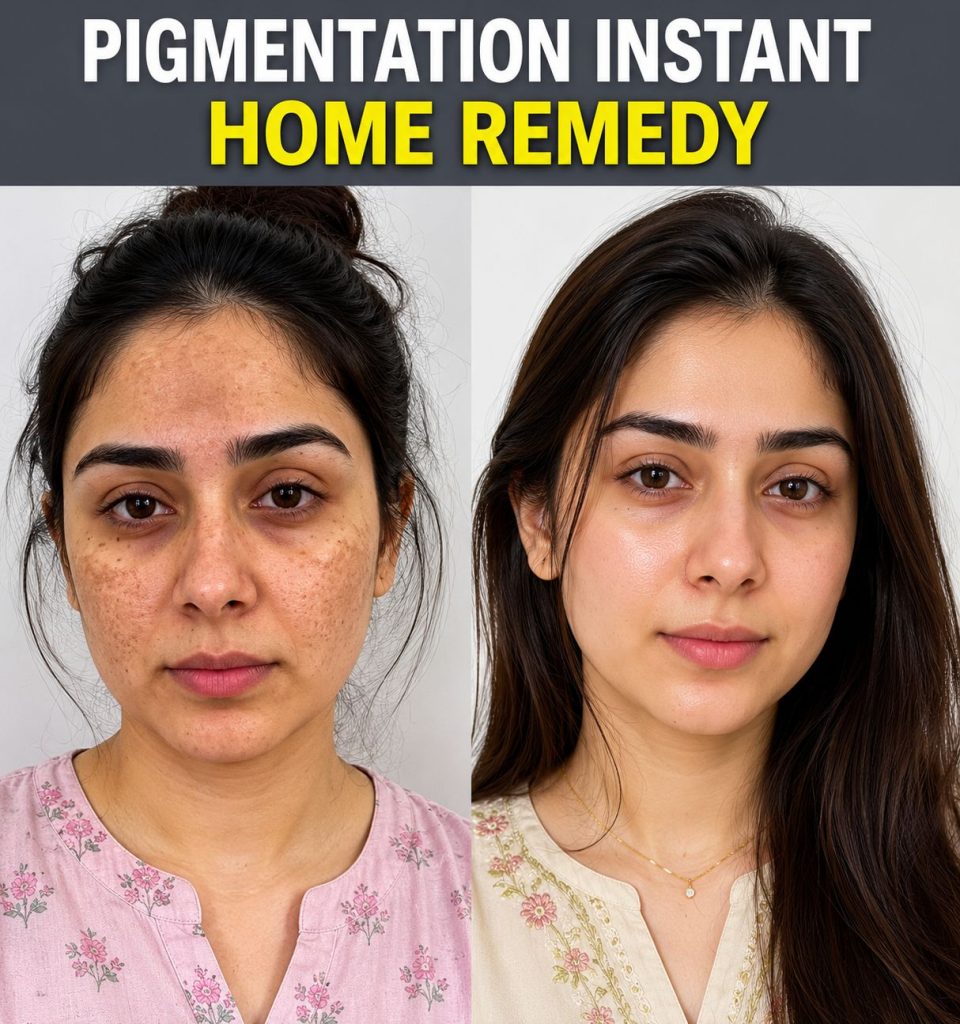
Pigmentation, uneven skin tone, melasma, and dark patches can make the skin appear dull and tired. Excess sun exposure, hormonal changes, acne marks, inflammation, stress, and aging are some of the most common reasons behind hyperpigmentation. While pigmentation usually takes time to fade completely, certain natural ingredients may help support skin renewal, reduce inflammation, and gradually improve skin brightness when used consistently. The key is choosing remedies according to your skin type and using ingredients that have scientific support for their skin-brightening properties.
Natural remedies work by helping reduce excess melanin production, improving skin barrier function, increasing antioxidant protection, and supporting gentle exfoliation. Below are skin-type-specific remedies designed to help improve the appearance of pigmentation naturally.
Remedy 1: For Normal Skin
Scientific Reason Why This Remedy May Help
Turmeric contains curcumin, which has antioxidant and anti-inflammatory properties that may help reduce uneven pigmentation. Yogurt contains lactic acid that gently exfoliates dead skin cells. Aloe vera contains aloesin, a compound studied for its potential role in reducing excess melanin production. Honey supports skin hydration, while green tea provides polyphenols that help protect the skin from oxidative stress.
Ingredients
- 1 teaspoon turmeric powder
- 1 tablespoon plain yogurt
- 1 teaspoon fresh aloe vera gel
- 1 teaspoon raw honey
- 1 teaspoon cooled green tea
- 1 teaspoon rice flour
Procedure
- Mix all ingredients into a smooth paste.
- Cleanse your face thoroughly.
- Apply the mask evenly over pigmented areas.
- Leave it on for 15 minutes.
- Rinse with lukewarm water.
- Apply a light moisturizer afterward.
How Often to Apply
Apply once daily for 5 days.
Initial Results
Within 2–3 days, skin may appear fresher, smoother, and more hydrated. Minor pigmentation may start appearing softer with continued use.
Remedy 2: For Combination Skin
Scientific Reason Why This Remedy May Help
Licorice contains glabridin, which may help reduce excess pigmentation. Cucumber provides hydration and cooling benefits. Aloe vera helps soothe irritation that can worsen pigmentation. Oatmeal gently exfoliates while supporting the skin barrier.
Ingredients
- 1 tablespoon cucumber juice
- 1 teaspoon licorice powder
- 1 teaspoon aloe vera gel
- 1 teaspoon oatmeal powder
- 1 teaspoon rose water
- 1 teaspoon honey
Procedure
- Mix all ingredients until a smooth consistency forms.
- Apply on clean skin.
- Focus on pigmented areas.
- Leave for 15–20 minutes.
- Wash gently with cool water.
How Often to Apply
Use on alternate days for 5 days.
Initial Results
Skin may feel calmer and more balanced. Slight improvements in overall brightness may become visible within a few days.
Remedy 3: For Oily Skin
Scientific Reason Why This Remedy May Help
Green tea contains catechins that provide antioxidant protection. Tomato contains natural acids that may help improve skin appearance. Aloe vera helps soothe excess oil-related irritation. Yogurt contains lactic acid that supports gentle exfoliation without aggressive scrubbing.
Ingredients
- 1 tablespoon green tea
- 1 teaspoon tomato pulp
- 1 teaspoon aloe vera gel
- 1 tablespoon yogurt
- 1 teaspoon rice flour
- ½ teaspoon honey
Procedure
- Combine ingredients thoroughly.
- Apply a thin layer over the face.
- Allow it to sit for 15 minutes.
- Rinse with cool water.
- Pat skin dry gently.
How Often to Apply
Apply once daily for 4–5 days.
Initial Results
Skin may appear less oily and more refreshed. The complexion may begin looking more even and brighter.
Remedy 4: For Dry Skin
Scientific Reason Why This Remedy May Help
Milk contains lactic acid, which supports mild exfoliation. Honey acts as a natural humectant. Aloe vera provides hydration and soothing effects. Avocado contains beneficial fatty acids and antioxidants that support skin repair.
Ingredients
- 1 tablespoon mashed avocado
- 1 teaspoon aloe vera gel
- 1 teaspoon honey
- 1 tablespoon milk
- 1 teaspoon oatmeal powder
- 1 teaspoon cucumber juice
Procedure
- Blend ingredients into a creamy paste.
- Apply evenly to clean skin.
- Leave on for 20 minutes.
- Rinse gently with lukewarm water.
- Follow with moisturizer.
How Often to Apply
Apply daily for 5 days.
Initial Results
Dryness may reduce quickly. Skin often feels softer, smoother, and healthier within a few applications.
Remedy 5: For Sensitive Skin
Scientific Reason Why This Remedy May Help
Aloe vera helps calm irritated skin. Chamomile contains anti-inflammatory compounds that may reduce redness. Oatmeal supports the skin barrier and reduces discomfort. Honey helps maintain hydration and may promote skin recovery.
Ingredients
- 1 tablespoon aloe vera gel
- 1 teaspoon chamomile tea
- 1 teaspoon oatmeal powder
- 1 teaspoon honey
- 1 teaspoon cucumber juice
- 1 teaspoon plain yogurt
Procedure
- Mix ingredients until smooth.
- Apply a thin layer to affected areas.
- Leave for 10–15 minutes.
- Rinse carefully with cool water.
How Often to Apply
Use every other day for 5 days.
Initial Results
Skin may feel calmer, less irritated, and more comfortable. Mild pigmentation caused by inflammation may gradually appear less noticeable.
Additional Scientific Factors That Help Reduce Pigmentation
Vitamin C
Vitamin C is a powerful antioxidant that helps reduce oxidative stress and may help inhibit excess melanin production. Consistent use may support a brighter and more even complexion.
Niacinamide
Niacinamide (Vitamin B3) helps strengthen the skin barrier and may reduce the transfer of pigment to skin cells, improving uneven skin tone over time.
Aloe Vera
Aloe vera contains compounds such as aloesin that have been studied for their role in reducing melanin production while soothing the skin.
Green Tea
Green tea provides antioxidant polyphenols that help protect skin from environmental stress and may support pigmentation management.
Turmeric
Curcumin in turmeric provides anti-inflammatory and antioxidant benefits that may help improve the appearance of dark spots and uneven skin tone.
Final Tips
- Always perform a patch test before applying any remedy.
- Use sunscreen daily because sun exposure can worsen pigmentation.
- Avoid harsh scrubs that may increase inflammation.
- Drink sufficient water throughout the day.
- Sleep at least 7–8 hours nightly.
- Keep makeup brushes and towels clean.
- Avoid picking acne or scratching the skin.
- Maintain consistency for the best results.
Most people notice improvements in skin freshness and hydration within 2–3 days, while pigmentation usually requires several weeks of consistent care for visible fading.
Diet Plan for Pigmentation Reduction
Morning
- Warm water with lemon
- 5 soaked almonds
- 1 fruit rich in Vitamin C (orange, guava, or kiwi)
Breakfast
- Oatmeal with berries
- Green tea
Mid-Morning
- Cucumber slices
- Coconut water
Lunch
- Mixed vegetable salad
- Grilled fish or lentils
- Brown rice
Evening
- Green tea
- Handful of walnuts
Dinner
- Vegetable soup
- Steamed vegetables
- Chickpeas or lean protein
Before Bed
- Warm turmeric milk (small cup)
How Long to Continue
Continue the remedies and healthy diet for at least 4–8 weeks for noticeable improvement. If pigmentation persists, worsens, spreads rapidly, or is associated with hormonal issues, consult a qualified dermatologist for proper evaluation.
References for the above remedy
- Hollinger JC, Angra K, Halder RM. Are Natural Ingredients Effective in the Management of Hyperpigmentation?
URL: https://pmc.ncbi.nlm.nih.gov/articles/PMC5843359/ - Healthline. How to Treat Skin Hyperpigmentation Naturally.
URL: https://www.healthline.com/health/home-remedies-for-pigmentation - Journal of Integrative Dermatology. An Integrative Approach to Treating Hyperpigmentation in Pregnancy.
URL: https://jintegrativederm.org/article/view/75 - Roxane Laser Studio. Treat Pigmentation at Home: Natural Hyperpigmentation Treatment.
URL: https://roxanelaser.studio/blog/treat-pigmentation-at-home-natural-hyperpigmentation-treatment - Clinikally. Quick and Natural Remedies to Fade Dark Spots on Your Face.
URL: https://www.clinikally.com/blogs/news/quick-and-natural-remedies-to-fade-dark-spots-on-your-face - PSRI Hospital. Top Effective Home Remedies to Remove Dark Spots Naturally.
URL: https://psrihospital.com/home-remedies-to-remove-dark-spots-on-the-face-naturally/ - Verywell Health. 12 Ways to Fade and Remove Age Spots Naturally.
URL: https://www.verywellhealth.com/how-to-remove-age-spots-naturally-11721062 - Times of India. Aloe Vera for Hyperpigmentation: Natural Ways to Fade Dark Spots.
URL: https://timesofindia.indiatimes.com/life-style/beauty/aloe-vera-for-hyperpigmentation-7-natural-ways-to-fade-dark-spots-fast/articleshow/123974345.cms - Vogue. A to Z Guide to Popular Skin-Care Ingredients.
URL: https://www.vogue.com/article/skin-care-ingredients-a-to-z-guide - National Center for Biotechnology Information. Natural Skin Care and Hyperpigmentation Research Overview.
URL: https://pmc.ncbi.nlm.nih.gov/articles/PMC5843359/