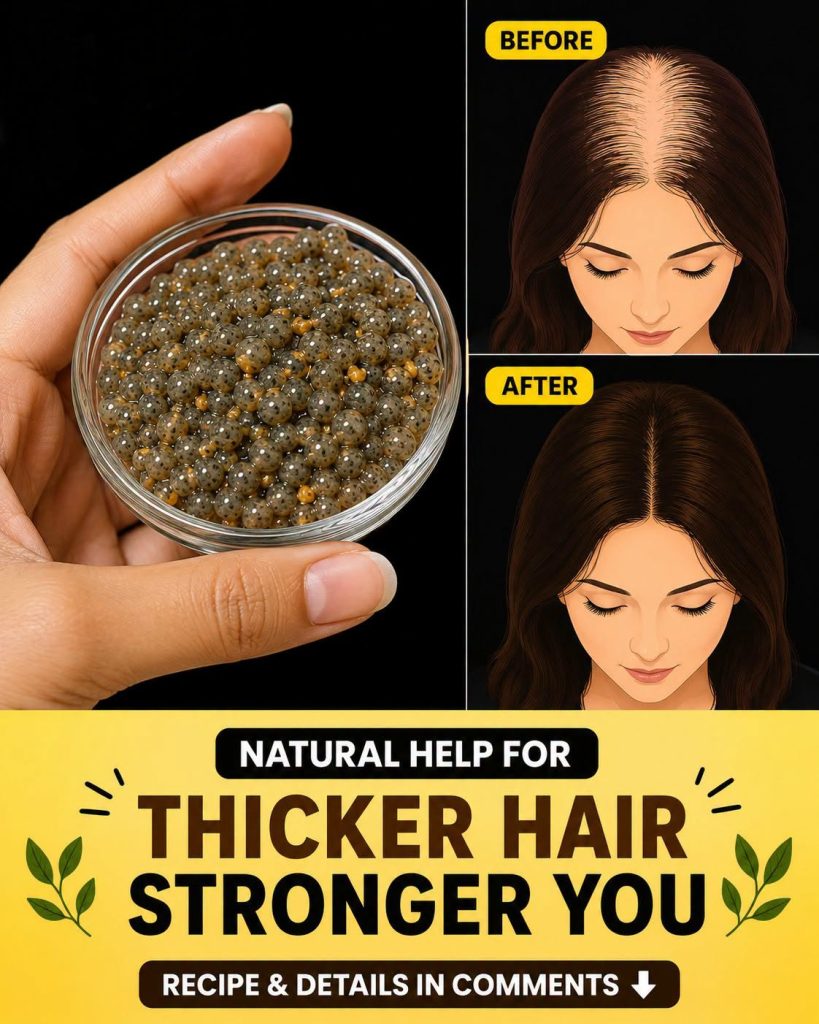
Hair thinning and reduced hair volume are common concerns caused by aging, stress, nutritional deficiencies, hormonal changes, excessive heat styling, and environmental damage. While no home remedy can guarantee rapid hair regrowth, certain natural ingredients can improve scalp health, reduce hair breakage, and support healthier-looking hair when used consistently. One unique ingredient gaining popularity is soaked basil seeds (sabja seeds or tukmaria). Rich in antioxidants, minerals, and plant-based omega-3 fatty acids, these tiny seeds create a hydrating gel that helps moisturize the scalp and reduce oxidative stress. Combined with other scientifically studied natural ingredients, soaked basil seeds can become part of an effective hair care routine.
The remedies below are tailored for different age groups because hair needs often change with age. Along with topical application, a nutritious diet and healthy lifestyle are essential for maintaining thick, strong hair.
Remedy 1: Ages 18–25 (For Early Hair Strengthening and Prevention)
Ingredients
- 2 tablespoons soaked basil (sabja) seeds
- 2 tablespoons fresh aloe vera gel
- 1 teaspoon coconut oil
- 1 teaspoon fresh onion juice
- 1 teaspoon honey
- 5 drops rosemary essential oil
Scientific Benefits of Each Ingredient
Soaked Basil Seeds: Contain antioxidants, iron, magnesium, calcium, and omega-3 fatty acids that help nourish the scalp and reduce oxidative damage.
Aloe Vera: Rich in polysaccharides and enzymes that soothe scalp irritation while maintaining moisture.
Coconut Oil: Contains lauric acid, which penetrates the hair shaft and reduces protein loss.
Onion Juice: Provides sulfur compounds that may support keratin production and improve hair growth in some individuals.
Honey: Acts as a natural humectant, helping retain moisture in both the scalp and hair.
Rosemary Oil: Research suggests it may stimulate hair follicles and improve hair density with regular use.
Procedure
Soak the basil seeds in water for 30 minutes until they become gel-like. Blend them into a smooth paste and mix in aloe vera gel, coconut oil, onion juice, honey, and rosemary oil. Apply to the scalp and hair roots while gently massaging for five minutes. Leave the mixture on for 45 minutes before washing with a mild shampoo.
How Often to Apply
Use twice weekly for at least 6–8 weeks.
Initial Results
Within two weeks, the scalp may feel healthier and better hydrated. Hair may appear shinier with reduced breakage over time.
Remedy 2: Ages 26–35 (For Stress-Related Hair Thinning)
Ingredients
- 2 tablespoons soaked basil seeds
- 2 tablespoons aloe vera gel
- 1 teaspoon castor oil
- 1 teaspoon coconut oil
- 1 teaspoon fenugreek seed paste
- 5 drops rosemary oil
Scientific Benefits
Soaked Basil Seeds: Provide antioxidant protection and hydration for the scalp.
Castor Oil: Rich in ricinoleic acid, helping moisturize hair and reduce dryness.
Fenugreek: Contains proteins, nicotinic acid, and plant compounds traditionally used to strengthen hair.
Coconut Oil: Helps reduce hair protein loss and minimizes damage.
Rosemary Oil: May improve circulation around hair follicles.
Aloe Vera: Supports scalp comfort and hydration.
Procedure
Prepare soaked basil seed gel and blend with aloe vera. Add fenugreek paste, castor oil, coconut oil, and rosemary oil until smooth. Massage gently into the scalp and leave for one hour before washing.
How Often to Apply
Apply 2–3 times each week.
Initial Results
Hair may become softer within two weeks, while consistent use over several months may reduce hair shedding.
Remedy 3: Ages 36–45 (For Improving Hair Density)
Ingredients
- 2 tablespoons soaked basil seeds
- 2 tablespoons aloe vera gel
- 1 teaspoon amla powder
- 1 teaspoon onion juice
- 1 teaspoon coconut oil
- 5 drops rosemary oil
Scientific Benefits
Amla: Rich in vitamin C and polyphenols that help protect hair from oxidative stress.
Soaked Basil Seeds: Supply minerals and antioxidants that support scalp health.
Onion Juice: Sulfur compounds may encourage stronger hair fibers.
Coconut Oil: Helps preserve hair proteins.
Rosemary Oil: Associated with improved hair density in clinical studies.
Aloe Vera: Maintains scalp hydration.
Procedure
Blend soaked basil seeds into a gel. Mix thoroughly with aloe vera, amla powder, onion juice, coconut oil, and rosemary oil. Apply evenly to the scalp and leave for one hour before rinsing.
How Often to Apply
Use twice weekly.
Initial Results
Hair texture may improve after several applications, with visible strengthening over continued use.
Remedy 4: Ages 46–55 (For Mature Hair and Dry Scalp)
Ingredients
- 2 tablespoons soaked basil seeds
- 2 tablespoons aloe vera gel
- 1 teaspoon argan oil
- 1 teaspoon castor oil
- 1 teaspoon avocado pulp
- 5 drops rosemary oil
Scientific Benefits
Avocado: Supplies healthy fats and vitamin E that moisturize hair.
Argan Oil: Rich in tocopherols and essential fatty acids that reduce dryness.
Soaked Basil Seeds: Help maintain scalp hydration.
Castor Oil: Improves moisture retention.
Rosemary Oil: May help stimulate hair follicles.
Aloe Vera: Helps calm dry scalp irritation.
Procedure
Blend soaked basil seeds into a smooth paste and combine with the remaining ingredients. Massage gently into the scalp and distribute through hair. Leave for 60 minutes before washing.
How Often to Apply
Use twice weekly.
Initial Results
Hair generally feels softer, smoother, and easier to manage after several applications.
Remedy 5: Ages 56 Years and Above (For Delicate, Aging Hair)
Ingredients
- 2 tablespoons soaked basil seeds
- 2 tablespoons aloe vera gel
- 1 teaspoon jojoba oil
- 1 teaspoon coconut oil
- 1 teaspoon flaxseed gel
- 5 drops rosemary oil
Scientific Benefits
Flaxseed Gel: Contains plant omega-3 fatty acids that improve hair softness.
Jojoba Oil: Closely resembles natural scalp oils and helps maintain moisture.
Soaked Basil Seeds: Provide antioxidant support for scalp health.
Coconut Oil: Protects against protein loss.
Rosemary Oil: May support healthier hair growth with long-term use.
Aloe Vera: Soothes sensitive, aging scalp.
Procedure
Mix the soaked basil seed gel with flaxseed gel, aloe vera, jojoba oil, coconut oil, and rosemary oil. Massage into the scalp and leave on for one hour before shampooing.
How Often to Apply
Apply twice weekly.
Initial Results
The scalp may feel more comfortable and hydrated within two to three weeks. Hair may gradually appear fuller due to reduced breakage.
Diet Plan for Healthy Hair
A healthy diet is just as important as topical remedies.
Breakfast
- Eggs or Greek yogurt
- Oatmeal with nuts and seeds
- Seasonal fruit
Mid-Morning
- Handful of almonds or walnuts
- Fresh coconut water
Lunch
- Grilled fish, chicken, lentils, or beans
- Brown rice or whole wheat roti
- Green vegetables
- Salad
Evening Snack
- Pumpkin seeds or sunflower seeds
- Fresh fruit
Dinner
- Lean protein
- Mixed vegetables
- Soup or whole grains
Daily Hydration
Drink 2–3 litres of water every day.
Foods rich in protein, iron, zinc, biotin, omega-3 fatty acids, and vitamins A, C, D, and E support normal hair growth and help maintain healthy hair.
Final Tips
- Perform a patch test before applying any new ingredient.
- Avoid excessive heat styling and harsh chemical treatments.
- Massage the scalp gently for five minutes during application.
- Wash hair with a mild shampoo.
- Sleep for 7–8 hours each night.
- Manage stress through regular exercise or meditation.
- Eat a balanced, protein-rich diet.
- Be consistent with your routine, as noticeable improvements in hair health often require 3–6 months.
Important: If hair loss is severe, sudden, associated with scalp pain, or continues despite consistent care, consult a dermatologist. Medical conditions such as iron deficiency, thyroid disorders, hormonal imbalances, or nutritional deficiencies may require professional evaluation and treatment.
References for the Above Remedy
- Hay IC, Jamieson M, Ormerod AD. Randomized trial of aromatherapy for alopecia areata. Archives of Dermatology. https://jamanetwork.com/journals/jamadermatology
- Panahi Y, et al. Rosemary oil versus minoxidil 2% for androgenetic alopecia. Skinmed. https://pubmed.ncbi.nlm.nih.gov/25842469/
- Sharquie KE, Al-Obaidi HK. Onion juice treatment for alopecia areata. Journal of Dermatology. https://pubmed.ncbi.nlm.nih.gov/12126069/
- Rele AS, Mohile RB. Effect of mineral oil, sunflower oil, and coconut oil on prevention of hair damage. Journal of Cosmetic Science. https://pubmed.ncbi.nlm.nih.gov/12715094/
- National Center for Complementary and Integrative Health. Aloe Vera. https://www.nccih.nih.gov/health/aloe-vera
- USDA FoodData Central. Basil Seeds (Nutritional Composition). https://fdc.nal.usda.gov/
- National Institutes of Health Office of Dietary Supplements. Vitamin E Fact Sheet. https://ods.od.nih.gov/factsheets/VitaminE-HealthProfessional/
- National Institutes of Health Office of Dietary Supplements. Biotin Fact Sheet. https://ods.od.nih.gov/factsheets/Biotin-HealthProfessional/
Note: While rosemary oil, onion juice, and coconut oil have published scientific evidence supporting their role in hair health, topical soaked basil (sabja) seeds are primarily included for their nutritional, antioxidant, and moisturizing properties. Direct clinical studies demonstrating that topical basil seeds alone stimulate hair growth are currently limited. This remedy is intended to support scalp health rather than serve as a proven treatment for hair loss.