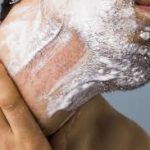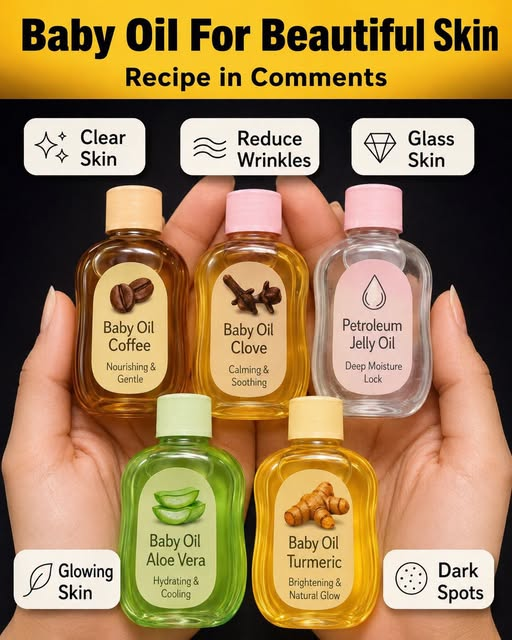
Baby oil can make the skin look smoother, softer and more luminous when it is used correctly. A mineral-oil-based baby oil mainly works as an occlusive: it forms a light protective layer that slows water loss from the skin. It does not directly supply water, remove pigmentation or rebuild collagen, so it works best when applied in a very small quantity over damp, hydrated skin. Clinical research supports mineral oil as an effective moisturizer for dry skin, although results depend on the complete routine and individual tolerance. (PubMed)
For the remedies below, choose a plain, fragrance-free, mineral-oil-based baby oil. Fragranced varieties may cause redness, itching or contact allergy, particularly in sensitive skin. These recipes use baby oil alongside ingredients such as colloidal oatmeal, glycerin, green tea and aloe vera, whose moisturizing or soothing actions have scientific support.
What Baby Oil Can and Cannot Do
Baby oil can reduce roughness, prevent moisture from evaporating and temporarily soften dehydration lines. This may make fine lines appear less visible and give the face a dewy “glass skin” finish. However, it cannot permanently remove wrinkles, cure acne or erase dark spots within a few days.
The coffee and clove combinations sometimes recommended online are not included here. Coffee granules can be physically abrasive, while clove oil contains eugenol and has been associated with allergic skin reactions. Essential-oil sensitization research has identified clove oil as one of the more frequent essential-oil allergens among tested patients. (PubMed)
Always prepare these remedies freshly. Do not store mixtures containing water, tea or aloe because homemade mixtures without preservatives may become contaminated.
Remedy 1: Hydrating Oat and Green Tea Routine for Normal Skin
This gentle routine supports moisture without leaving normal skin excessively greasy.
Ingredients and Scientific Working
- Fragrance-free baby oil: 2 drops. Mineral oil reduces moisture evaporation and improves the feel of dry or rough skin.
- Colloidal oatmeal: 1 tablespoon. Oat compounds support the skin barrier and have soothing and anti-inflammatory properties.
- Pure aloe vera gel: 1 teaspoon. Aloe supplies a lightweight water-based layer and may calm mild irritation, although occasional allergic reactions are possible.
- Vegetable glycerin: 2 drops. Glycerin attracts water into the upper layer of the skin and improves hydration.
- Cooled green tea: 1 tablespoon. Green tea contains polyphenols with antioxidant and anti-inflammatory activity.
Clinical studies have found improvements in hydration and barrier measurements with colloidal oatmeal and glycerin-based formulations. Aloe is usually well tolerated topically, but burning, itching or eczema can occasionally occur. (PubMed)
Procedure
Mix the oatmeal, aloe, glycerin and cooled green tea into a soft paste. Apply a thin layer to clean skin and leave it for 7–8 minutes. Rinse with lukewarm water without scrubbing. While the face is still slightly damp, spread two drops of baby oil between your fingertips and press gently onto the cheeks and forehead.
How Often to Apply
Apply once daily in the evening for 3–5 days. Afterward, use it two or three evenings per week.
Initial Results
Within one to three days, the skin may feel softer and look less dull. Fine dehydration lines may appear temporarily smoother because the skin is better hydrated.
Remedy 2: Zone-Balancing Turmeric Routine for Combination Skin
Combination skin needs hydration on dry areas without heavily coating the oily T-zone.
Ingredients and Scientific Working
- Fragrance-free baby oil: 1–2 drops for dry areas only.
- Colloidal oatmeal: 1 tablespoon to support the moisture barrier.
- Cooled green tea: 1 tablespoon to provide soothing polyphenols.
- Aloe vera gel: 1 teaspoon for lightweight hydration.
- Turmeric powder: a very small pinch for its curcumin content.
Research reviews suggest that curcumin possesses antioxidant and anti-inflammatory activity and may support certain skin conditions. However, most studies used controlled formulations rather than homemade kitchen masks. Turmeric should therefore be considered a supportive ingredient, not a proven cure for pigmentation. (PubMed)
Procedure
Combine the oatmeal, green tea, aloe and a tiny pinch of turmeric. Apply the mixture over the face, keeping it away from the eyes and eyebrows. Leave it for five minutes and rinse thoroughly. Press one drop of baby oil onto each dry cheek, but do not apply it heavily over the nose or acne-prone areas.
Turmeric can temporarily stain pale skin, towels and clothing. Using more turmeric will not improve the result.
How Often to Apply
Use on alternate evenings for 5 days. Limit turmeric use to two or three times per week after the initial period.
Initial Results
Dry zones may feel more comfortable within one to two days. The face may look more evenly hydrated, but genuine improvement in dark spots normally requires consistent sun protection and considerably more time.
Remedy 3: Lightweight Green Tea Routine for Oily Skin
Baby oil should be used cautiously on oily or acne-prone skin. It is not necessary across the whole face and should be restricted to areas that feel dry after cleansing.
Ingredients and Scientific Working
- Strongly brewed, cooled green tea: 2 tablespoons.
- Colloidal oatmeal: 1 tablespoon.
- Aloe vera gel: 1 teaspoon.
- Vegetable glycerin: 1 drop.
- Turmeric powder: one tiny pinch.
- Fragrance-free baby oil: 1 optional drop for dry patches.
Clinical evidence suggests that standardized topical green-tea extracts may reduce inflammatory acne and sebum activity. Homemade brewed tea is not standardized and should not be expected to reproduce the same clinical results, but it offers a mild, inexpensive adaptation. (PubMed)
Procedure
Mix the green tea, oatmeal, aloe, glycerin and turmeric. Apply a very thin layer for five minutes. Rinse and pat the skin dry. Do not coat the entire face with baby oil. Press one drop only onto flaky areas around the mouth or cheeks.
Stop using it if blackheads, whiteheads or inflamed pimples increase.
How Often to Apply
Apply the water-based mask once daily for 3–5 days. Use the optional baby-oil step only when the skin feels tight or flaky.
Initial Results
The skin may feel calmer and less tight within one to three days. Existing acne is unlikely to disappear in this period. Persistent acne needs an established acne treatment rather than an oil-based home remedy.
Remedy 4: Barrier-Sealing Routine for Dry Skin
Dry skin benefits most from applying water-attracting ingredients first and oils afterward to reduce water loss.
Ingredients and Scientific Working
- Fragrance-free baby oil: 3 drops.
- Sunflower seed oil: 2 drops.
- Colloidal oatmeal: 1 tablespoon.
- Vegetable glycerin: 3 drops.
- Aloe vera gel: 2 teaspoons.
Glycerin increases hydration in the outer skin layer, colloidal oatmeal supports barrier function, and mineral oil provides an occlusive seal. Research comparing plant oils found that sunflower seed oil was better tolerated by the adult skin barrier than olive oil, which may impair barrier integrity in some people. (PubMed)
Procedure
Combine the oatmeal, glycerin and aloe. Apply for 8–10 minutes, then rinse gently. Mix the baby oil with sunflower seed oil in your palm. Press the mixture onto damp skin without vigorous massage.
Do not apply a thick layer immediately before lying on a pillow, as excessive oil can feel uncomfortable and may spread into the eyes.
How Often to Apply
Use every evening for 5 days, then continue three or four nights weekly for two weeks.
Initial Results
Flaking and tightness may begin to improve within one to three days. Continued use can make hydration-related fine lines appear softer, but it will not reverse established wrinkles.
Remedy 5: Minimal Oat Compress for Sensitive Skin
Sensitive skin usually responds better to fewer ingredients. Introduce each ingredient separately before combining them.
Ingredients and Scientific Working
- Finely ground colloidal oatmeal: 1 tablespoon.
- Cooled boiled water: 2 tablespoons.
- Vegetable glycerin: 1 drop.
- Sunflower seed oil: 1 drop.
- Fragrance-free baby oil: 1 drop.
Water supplies immediate surface hydration, glycerin helps hold that water, and the two oils slow its evaporation. Colloidal oatmeal has demonstrated benefits for dryness, itching, skin pH and barrier function in clinical studies. (PubMed)
Procedure
Mix the oatmeal, water and glycerin. Soak a clean cotton pad or soft cloth in the liquid and place it against the skin for three minutes without rubbing. Remove it, rinse lightly and press one drop each of sunflower oil and baby oil over damp areas.
Avoid this remedy during an active allergic rash, facial swelling, broken skin or weeping eczema.
How Often to Apply
Use once daily for three days. When no irritation develops, continue on alternate days for another week.
Initial Results
The skin may feel less tight within the first day. Mild dryness may look better by day three. Stop immediately if burning, swelling, hives or persistent redness occurs.
Final Tips for Safer, Glowing Skin
Patch-test every remedy on the inner arm for 24–48 hours. Wash the face gently, avoid scrubs, keep bowls and application tools clean, and never share face cloths. Dermatologists recommend gentle cleansing rather than aggressive rubbing, especially for acne-prone skin. (American Academy of Dermatology)
Apply baby oil only to damp skin and use the smallest effective quantity. Continue drinking enough fluids, sleep for seven to nine hours when possible, and avoid frequently touching or picking the face. Wear broad-spectrum sunscreen every morning because baby oil does not protect against ultraviolet radiation.
Visible softness and improved glow may begin within two to three days. Continued hydration can make dehydration lines appear less noticeable over time, but deep wrinkles, melasma, acne scars and stubborn pigmentation cannot be permanently removed with baby oil.
Diet Plan for Healthy-Looking Skin
Follow this balanced plan for at least two to four weeks alongside the appropriate home remedy:
Breakfast: Oatmeal or whole-grain bread with plain yogurt, eggs or another protein source. Add a vitamin-rich fruit such as guava, orange, berries or papaya.
Mid-morning: Water and a small handful of unsalted almonds, walnuts or pumpkin seeds.
Lunch: Brown rice or whole-grain roti with lentils, beans, fish or chicken. Include a large serving of green vegetables and salad.
Evening snack: One fresh fruit, plain yogurt or roasted chickpeas instead of sugary drinks and fried snacks.
Dinner: Cooked vegetables with a moderate serving of protein and whole grains. Avoid making heavily sweetened desserts and refined carbohydrates a daily habit.
Fluids: Drink regularly throughout the day. Fluid needs vary according to body size, climate, exercise, pregnancy and medical conditions.
A healthy diet should emphasize varied fruits, vegetables, legumes, whole grains, nuts, seeds and suitable protein while limiting excess sugar, salt, saturated fat and industrial trans fat. (World Health Organization)
Continue the skin routine for 7–14 days if it remains comfortable. See a dermatologist if acne is painful or scarring, pigmentation continues to spread, a dark spot changes shape or colour, or dryness, itching and redness persist despite gentle care.
References for the above remedy
- Agero ALC, Verallo-Rowell VM. A randomized double-blind controlled trial comparing extra virgin coconut oil with mineral oil as a moisturizer for mild to moderate xerosis. Dermatitis. 2004.
URL: https://pubmed.ncbi.nlm.nih.gov/15724344/ (PubMed) - Capone K, et al. Effects of colloidal oatmeal topical atopic dermatitis cream on skin microbiome and barrier properties. Clinical, Cosmetic and Investigational Dermatology. 2020.
URL: https://pubmed.ncbi.nlm.nih.gov/32484623/ (PubMed) - Fluhr JW, Darlenski R, Surber C. Glycerol and the skin: holistic approach to its origin and functions. British Journal of Dermatology. 2008.
URL: https://pubmed.ncbi.nlm.nih.gov/18510666/ (PubMed) - Kim S, et al. The effects of green tea on acne vulgaris: a systematic review and meta-analysis. Phytotherapy Research. 2021.
URL: https://pubmed.ncbi.nlm.nih.gov/32812270/ (PubMed) - National Center for Complementary and Integrative Health. Aloe Vera: Usefulness and Safety.
URL: https://www.nccih.nih.gov/health/aloe-vera (NCCIH) - Vaughn AR, Branum A, Sivamani RK. Effects of turmeric on skin health: a systematic review of the clinical evidence. Phytotherapy Research. 2016.
URL: https://pubmed.ncbi.nlm.nih.gov/27213821/ (PubMed) - Danby SG, et al. Effect of olive and sunflower seed oil on the adult skin barrier. Pediatric Dermatology. 2013.
URL: https://pubmed.ncbi.nlm.nih.gov/22995032/ (PubMed) - Geier J, et al. Contact sensitization to essential oils: patch-test data, including reactions to clove oil. Contact Dermatitis. 2022.
URL: https://pubmed.ncbi.nlm.nih.gov/35417610/ (PubMed) - American Academy of Dermatology. Acne: Tips for managing at home.
URL: https://www.aad.org/public/diseases/acne/skin-care/tips (American Academy of Dermatology) - World Health Organization. Healthy Diet Fact Sheet.
URL: https://www.who.int/news-room/fact-sheets/detail/healthy-diet (World Health Organization)