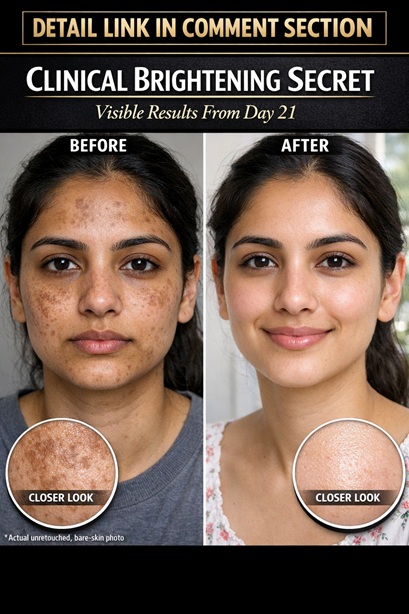
The image highlights a common dermatological concern: facial hyperpigmentation, including dark spots, uneven skin tone, and patchy discoloration. These changes are typically caused by excess melanin production triggered by sun exposure, hormonal fluctuations, inflammation, or post-acne marks. Over time, these spots can make the skin appear dull, aged, and uneven.
While clinical treatments such as chemical peels and laser therapy are available, many individuals prefer natural, skin-friendly solutions. With the right combination of targeted remedies, consistent skincare, and a supportive diet, it is possible to gradually reduce pigmentation and restore a brighter, even complexion.
Specific Remedies
Remedy 1: For Normal Skin
Ingredients:
- 1 tablespoon aloe vera gel
- 1 teaspoon lemon juice
- 1 teaspoon honey
- 1 teaspoon turmeric
- 1 tablespoon cucumber juice
- 2 drops vitamin E oil
The Science Behind It
- Aloe vera contains aloin, which helps reduce melanin production.
- Lemon juice is rich in citric acid, promoting exfoliation and skin brightening.
- Honey improves hydration and supports skin repair.
- Turmeric contains curcumin, known to inhibit melanin synthesis.
- Cucumber juice cools and hydrates while improving skin tone.
- Vitamin E protects against oxidative damage and supports healing.
Procedure
- Mix all ingredients into a smooth paste.
- Apply evenly to the face, focusing on pigmented areas.
- Leave for 15 minutes.
- Rinse with lukewarm water.
How Often to Apply
Use 3–4 times per week for 21 days.
Initial Results
Slight brightness and smoother texture can be observed within 2–3 days.
Remedy 2: For Oily Skin
Ingredients:
- 1 tablespoon multani mitti
- 1 teaspoon neem powder
- 1 teaspoon rose water
- 1 teaspoon lemon juice
- 1 teaspoon green tea extract
- ½ teaspoon turmeric
The Science Behind It
- Multani mitti absorbs excess oil and clears pores.
- Neem has antibacterial properties that reduce acne-related pigmentation.
- Rose water balances skin pH and soothes irritation.
- Lemon juice exfoliates and brightens skin.
- Green tea reduces inflammation and protects against UV damage.
- Turmeric helps control melanin production.
Procedure
- Mix ingredients into a paste.
- Apply evenly on the face.
- Let it dry completely.
- Rinse with cool water.
How Often to Apply
Apply on alternate days for 2–3 weeks.
Initial Results
Reduction in oiliness and slight fading of spots within a few applications.
Remedy 3: For Dry Skin
Ingredients:
- 1 tablespoon mashed papaya
- 1 teaspoon honey
- 1 teaspoon milk cream
- 1 teaspoon almond oil
- ½ teaspoon sandalwood powder
- 1 teaspoon rose water
The Science Behind It
- Papaya contains papain enzyme that exfoliates dead skin cells.
- Honey retains moisture and enhances healing.
- Milk cream hydrates deeply and improves texture.
- Almond oil provides vitamin E for skin repair.
- Sandalwood soothes skin and reduces pigmentation.
- Rose water refreshes and tones skin.
Procedure
- Mix all ingredients thoroughly.
- Apply gently across the face.
- Leave for 20 minutes.
- Rinse with lukewarm water.
How Often to Apply
Use 3 times weekly for 21 days.
Initial Results
Skin feels softer, hydrated, and slightly brighter within 3 days.
Remedy 4: For Combination Skin
Ingredients:
- 1 tablespoon yogurt
- 1 teaspoon tomato juice
- 1 teaspoon honey
- 1 teaspoon coffee powder
- 1 teaspoon aloe vera gel
- ½ teaspoon turmeric
The Science Behind It
- Yogurt contains lactic acid for gentle exfoliation.
- Tomato juice provides lycopene that protects against pigmentation.
- Coffee improves circulation and skin tone.
- Aloe vera promotes healing and hydration.
- Turmeric reduces melanin production.
Procedure
- Mix ingredients into a smooth paste.
- Apply using gentle circular motions.
- Leave for 15 minutes.
- Rinse with cool water.
How Often to Apply
Apply 3 times weekly for 2–3 weeks.
Initial Results
More even tone and mild brightness within a few uses.
Remedy 5: For Sensitive Skin
Ingredients:
- 1 tablespoon oatmeal powder
- 1 teaspoon chamomile tea
- 1 teaspoon aloe vera gel
- 1 teaspoon cucumber puree
- 1 teaspoon honey
- 1 drop lavender oil
The Science Behind It
- Oatmeal soothes irritation and strengthens skin barrier.
- Chamomile reduces inflammation and redness.
- Aloe vera heals and hydrates sensitive skin.
- Cucumber cools and improves tone.
- Honey supports gentle repair.
Procedure
- Mix all ingredients into a paste.
- Apply gently without scrubbing.
- Leave for 15 minutes.
- Rinse with lukewarm water.
How Often to Apply
Use 2–3 times weekly for 21 days.
Initial Results
Reduced redness and improved skin comfort within a few days.
Targeted Diet Plan for Healing
Vegetarian Diet Plan
- Spinach and kale
- Carrots and sweet potatoes
- Citrus fruits (vitamin C)
- Nuts and seeds
- Tomatoes
- Green tea
Non-Vegetarian Diet Plan
- Salmon and tuna
- Eggs
- Chicken breast
- Liver (rich in vitamins)
- Sardines
- Bone broth
Diabetic-Friendly Diet Plan
- Leafy greens
- Chia seeds
- Whole grains (low GI)
- Tofu
- Berries (controlled portions)
- Unsweetened yogurt
Heart Patient-Friendly Diet Plan
- Oats
- Olive oil
- Nuts
- Legumes
- Fresh fruits
- Fatty fish
Final Tips & Conclusion
- Always apply sunscreen to prevent further pigmentation
- Avoid excessive sun exposure
- Stay hydrated to support skin repair
- Maintain a consistent skincare routine
- Avoid picking or irritating the skin
Summary
Natural remedies help reduce pigmentation by controlling melanin production, exfoliating dead skin, and improving skin hydration. Combined with a balanced diet, they support long-term skin brightening.
Timeline
Consistent use for at least 21 days is required to see noticeable improvement, with continued benefits over 4–6 weeks.
If the problem persists after this period, you must see a certified doctor or healthcare professional.