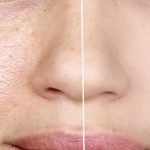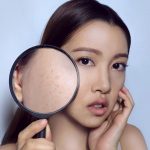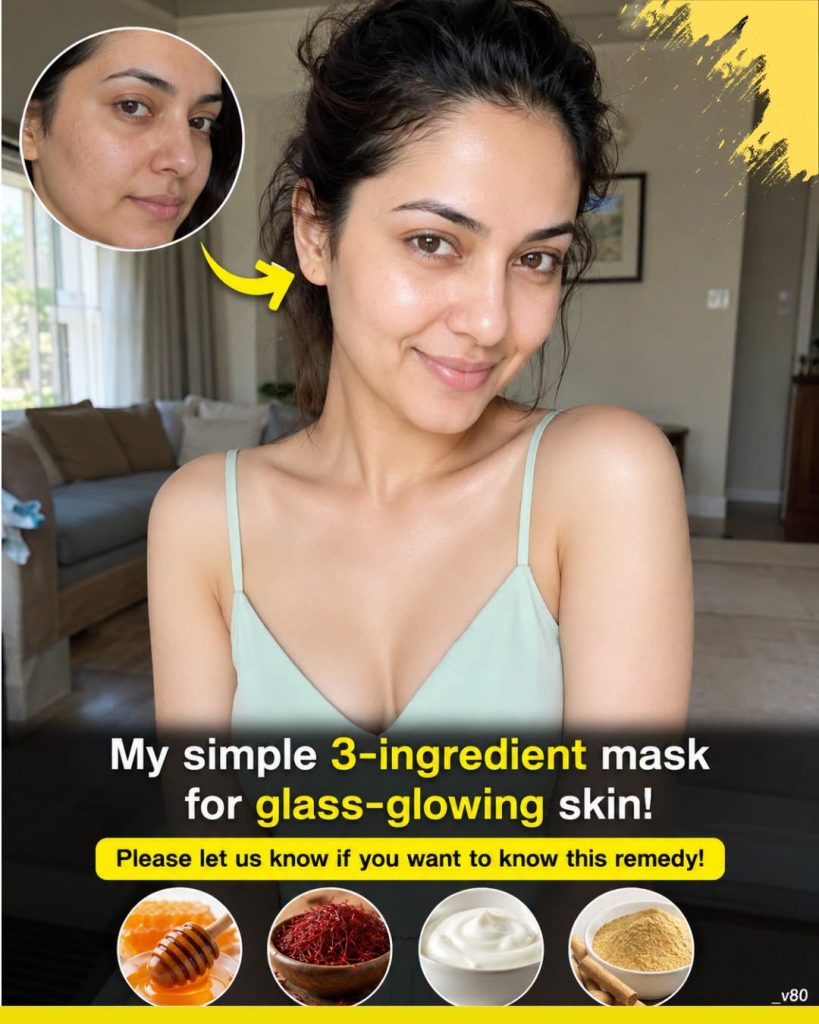
Dull, tired-looking skin is a common concern caused by pollution, stress, dehydration, and natural aging. While expensive treatments promise instant brightness, several natural ingredients have been studied for their antioxidant, moisturizing, and skin-soothing properties. One of the most popular traditional combinations combines saffron, yogurt, and honey to improve hydration and enhance skin radiance. Since every skin type has different needs, the following scientifically supported remedies are customized accordingly.

Why These Ingredients Help Improve Skin Glow
Saffron: Rich in Antioxidants
Saffron contains crocin, crocetin, and safranal, compounds known for their antioxidant activity. These substances help protect skin cells from oxidative stress and may contribute to a brighter complexion.
Yogurt: Natural Lactic Acid Exfoliation
Yogurt contains lactic acid, an alpha-hydroxy acid (AHA) that gently removes dead skin cells and improves skin texture. It also provides moisture and helps maintain the skin barrier.
Honey: Humectant and Antibacterial Agent
Honey attracts moisture to the skin and contains antimicrobial compounds. It helps soothe irritation, maintain hydration, and support healthy-looking skin.
Remedy 1: For Normal Skin
Ingredients
- Plain yogurt – 2 tablespoons (provides lactic acid for gentle exfoliation)
- Pure honey – 1 teaspoon (hydrates and softens skin)
- Saffron strands – 5 to 6 strands (rich in antioxidants)
- Aloe vera gel – 1 teaspoon (soothes and moisturizes)
- Oat powder – 1 teaspoon (helps calm the skin)
Procedure
- Soak saffron strands in 1 teaspoon of warm water for 15 minutes.
- Add yogurt and honey.
- Mix in aloe vera gel and oat powder.
- Apply evenly over the face.
- Leave for 20 minutes and rinse with lukewarm water.
How Often to Apply
Apply once daily for 3–5 days.
Initial Results
Within 2–3 days, the skin may feel softer, smoother, and more hydrated with a subtle glow.
Remedy 2: For Combination Skin
Ingredients
- Plain yogurt – 1½ tablespoons
- Honey – 1 teaspoon
- Saffron strands – 4 strands
- Cucumber juice – 1 tablespoon
- Rice flour – 1 teaspoon
- Rose water – 1 teaspoon
Scientific Working of Ingredients
Cucumber contains vitamin C and water that help refresh the skin. Rice flour provides mild exfoliation, while rose water offers soothing and antioxidant effects.
Procedure
- Soak saffron in rose water for 10 minutes.
- Mix yogurt and honey.
- Add cucumber juice and rice flour.
- Apply to the face for 15–20 minutes.
- Wash gently with cool water.
How Often to Apply
Use on alternate days for one week.
Initial Results
Skin appears fresher and less dull after several applications.
Remedy 3: For Oily Skin
Ingredients
- Yogurt – 1 tablespoon
- Honey – ½ teaspoon
- Saffron strands – 3 strands
- Multani mitti – 1 teaspoon
- Neem powder – ½ teaspoon
- Green tea powder – ½ teaspoon
Scientific Working of Ingredients
Multani mitti absorbs excess oil. Neem contains antibacterial compounds, and green tea polyphenols provide antioxidant benefits that help support clearer-looking skin.
Procedure
- Soak saffron in a teaspoon of water.
- Combine with yogurt and honey.
- Add Multani mitti, neem powder, and green tea powder.
- Apply for 15 minutes.
- Rinse thoroughly.
How Often to Apply
Three times weekly.
Initial Results
Excess oil may appear reduced, and the complexion may look cleaner and brighter.
Remedy 4: For Dry Skin
Ingredients
- Yogurt – 2 tablespoons
- Honey – 1 teaspoon
- Saffron strands – 6 strands
- Mashed banana – 1 tablespoon
- Almond powder – 1 teaspoon
- Aloe vera gel – 1 teaspoon
Scientific Working of Ingredients
Banana contains natural sugars and potassium that help maintain moisture. Almonds provide vitamin E, while aloe vera offers soothing hydration.
Procedure
- Soak saffron for 15 minutes.
- Mix all ingredients thoroughly.
- Apply to the face and neck.
- Leave for 20 minutes.
- Wash with lukewarm water.
How Often to Apply
Daily for 5 days.
Initial Results
Dryness and roughness may improve, leaving the skin softer and more supple.
Remedy 5: For Sensitive Skin
Ingredients
- Plain yogurt – 1 tablespoon
- Honey – 1 teaspoon
- Saffron strands – 2 to 3 strands
- Colloidal oatmeal powder – 1 teaspoon
- Aloe vera gel – 1 teaspoon
Scientific Working of Ingredients
Oatmeal contains beta-glucans and anti-inflammatory compounds that help soothe irritation. Aloe vera promotes hydration and supports the skin barrier.
Procedure
- Soak saffron strands in warm water.
- Mix all ingredients until smooth.
- Apply gently without rubbing.
- Leave for 15 minutes.
- Wash with cool water.
How Often to Apply
Three times weekly.
Initial Results
The skin may feel calmer, softer, and more moisturized after a few applications.
Final Tips
- Drink 8–10 glasses of water daily.
- Use sunscreen regularly to prevent pigmentation and dullness.
- Sleep for 7–8 hours every night.
- Wash makeup brushes and towels frequently.
- Avoid harsh scrubs and excessive face washing.
- Always perform a patch test before trying any new remedy.
- Visible improvement generally begins within 2–3 days, while a healthy glow becomes more noticeable with consistent use over several weeks.
Diet Plan for Naturally Glowing Skin
Early Morning
- 1 glass of warm water with lemon.
- 4 soaked almonds and 2 walnuts.
Breakfast
- Oatmeal with berries or papaya.
- Yogurt or boiled eggs.
Mid-Morning
- Coconut water or fresh orange.
Lunch
- Grilled chicken, fish, lentils, or beans.
- Brown rice or whole wheat chapati.
- Salad with cucumber and carrots.
Evening Snack
- Green tea and a handful of mixed nuts.
Dinner
- Vegetable soup with grilled fish or lentils.
- Steamed vegetables.
Before Bed
- One cup of warm milk with a pinch of turmeric.
Continue these remedies and dietary measures for 4–6 weeks. If dullness, pigmentation, redness, or other skin concerns persist or worsen, consult a dermatologist for proper evaluation and treatment.
References for the above remedy
- Burlando B, Cornara L. Honey in dermatology and skin care. Journal of Cosmetic Dermatology.
URL: https://pubmed.ncbi.nlm.nih.gov/24305429/ - Mayo Clinic. Honey and skin care.
URL: https://www.mayoclinic.org - National Center for Biotechnology Information (NCBI). Saffron and its antioxidant properties.
URL: https://pmc.ncbi.nlm.nih.gov/articles/PMC4599119/ - National Center for Biotechnology Information (NCBI). Aloe vera and wound healing properties.
URL: https://pmc.ncbi.nlm.nih.gov/articles/PMC2763764/ - National Center for Biotechnology Information (NCBI). Colloidal oatmeal and dermatologic benefits.
URL: https://pmc.ncbi.nlm.nih.gov/articles/PMC4622918/ - National Center for Biotechnology Information (NCBI). Green tea polyphenols and skin health.
URL: https://pmc.ncbi.nlm.nih.gov/articles/PMC5384166/ - National Center for Biotechnology Information (NCBI). Lactic acid and skin rejuvenation.
URL: https://pmc.ncbi.nlm.nih.gov/articles/PMC6017965/ - National Center for Biotechnology Information (NCBI). Neem and antimicrobial activity.
URL: https://pmc.ncbi.nlm.nih.gov/articles/PMC4791507/ - American Academy of Dermatology. Healthy skin care practices.
URL: https://www.aad.org/public/everyday-care/skin-care-basics - National Center for Biotechnology Information (NCBI). Oatmeal in skin barrier support.
URL: https://pmc.ncbi.nlm.nih.gov/articles/PMC3508548/