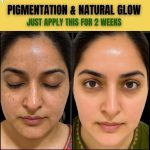
Acne scars and post-acne marks can make the complexion look uneven and may affect confidence long after active breakouts have settled. However, a flat brown, grey or red mark left by a pimple is not always a true scar. Flat dark marks are usually post-inflammatory hyperpigmentation, while genuine acne scars create permanent changes in texture, such as ice-pick holes, rolling depressions, boxcar scars or raised tissue. Natural skincare may gradually fade discoloration, reduce irritation and make the surface look smoother, but it cannot completely remove deep or raised scars. Dermatologists generally treat textured scars with procedures such as microneedling, laser treatment, fillers, subcision or scar surgery. (American Academy of Dermatology)
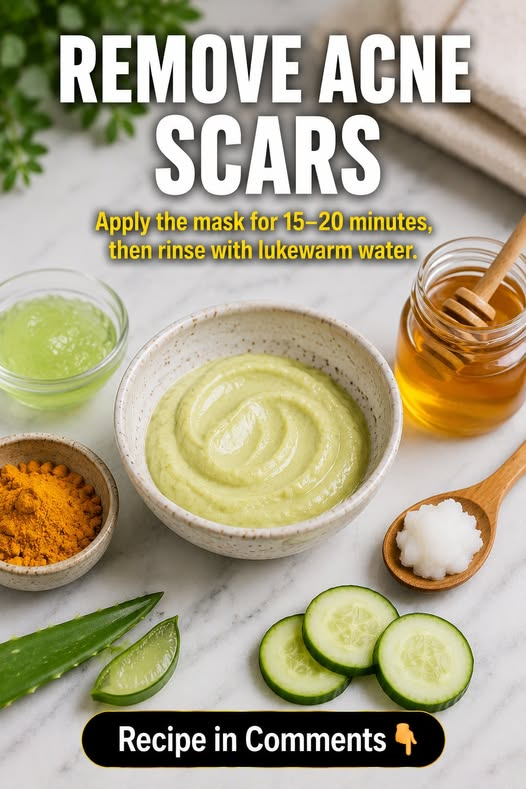
The turmeric, aloe, cucumber, honey and coconut-oil mask shown in the image may moisturize the skin temporarily, but it cannot rebuild deep collagen damage in 15–20 minutes. Turmeric may stain or irritate sensitive skin, while a rich layer of coconut oil may feel too heavy on areas with active acne. The following remedies use gentler natural ingredients with more relevant evidence for pigmentation, healing, inflammation and barrier support. The exact homemade combinations have not been clinically tested as complete treatments, so realistic expectations and patch testing are essential.
Remedy 1: Centella and Soy Recovery Mask for Normal Skin
Ingredients
- Standardized Centella asiatica gel: 1 teaspoon
- Unsweetened soy milk: 1 tablespoon
- Pure aloe vera gel: 1 teaspoon
- Colloidal oatmeal: 1 teaspoon
- Rice starch: ½ teaspoon
- Pure honey: ½ teaspoon
Scientific Working of Each Ingredient
Centella asiatica contains asiaticoside, madecassoside and related triterpenes associated with wound repair and collagen formation. A randomized trial involving people undergoing laser resurfacing for acne scars found that standardized Centella extract supported post-procedure healing, although it did not independently remove untreated scars. (PubMed)
Soy-derived compounds have controlled clinical evidence for improving uneven pigmentation, blotchiness and skin tone. Aloe, oatmeal and honey support hydration and comfort, while rice starch forms a soft film that reduces roughness. (PubMed)
Procedure
Combine the oatmeal and rice starch. Add the soy milk gradually, followed by the Centella gel, aloe and honey. Mix until smooth.
Apply a thin layer to cleansed skin, avoiding active, broken or bleeding pimples. Leave it on for eight to ten minutes, rinse with lukewarm water and apply a non-comedogenic moisturizer.
How Often to Apply
Apply on alternate evenings for the first five days. Continue three times weekly for eight to twelve weeks if the skin remains comfortable.
Initial Results
Within one to three days, the skin may feel softer, calmer and better hydrated. Changes in dark marks require several weeks, while pitted scars will not disappear.
Remedy 2: Licorice and Green Tea Mask for Combination Skin
Ingredients
- Cooled green tea: 1 tablespoon
- Pre-diluted cosmetic-grade licorice gel: ½ teaspoon
- Plain unsweetened yogurt: 1 teaspoon
- Pure aloe vera gel: 1 teaspoon
- Rice starch: 1 teaspoon
- Jojoba oil: 1 drop
Scientific Working of Each Ingredient
Licorice contains compounds such as glabridin that can inhibit processes involved in melanin production. Evidence is stronger for standardized extracts than for homemade licorice-root water, and its main potential benefit is fading flat post-acne pigmentation rather than filling scars. Reviews identify soy and licorice among the better studied natural ingredients for hyperpigmentation. (PubMed)
Topical green-tea preparations have demonstrated anti-inflammatory and anti-acne activity. Reducing active breakouts is essential because each new inflamed lesion can create another mark or scar. Yogurt provides mild lactic-acid activity, although it is much weaker and less predictable than a formulated exfoliant. (PubMed)
Procedure
Mix the green tea, yogurt, aloe and rice starch. Add the pre-diluted licorice gel.
Apply the mixture over the face. Pat one drop of jojoba oil only onto dry cheek or jaw areas. Leave it on for five to seven minutes and rinse gently.
How Often to Apply
Use on day one, day three and day five. Continue twice weekly for up to twelve weeks.
Initial Results
Dry areas may feel smoother within two applications, while oily areas should remain lightweight. Dark marks will not fade significantly within three days.
Remedy 3: Kaolin and Green Tea Clarifying Mask for Oily Skin
Ingredients
- Cosmetic-grade kaolin clay: 1 teaspoon
- Cooled green tea: 1 tablespoon
- Pure aloe vera gel: 1 teaspoon
- Colloidal oatmeal: ½ teaspoon
- Rice starch: ½ teaspoon
- Pre-diluted licorice gel: ¼ teaspoon
Scientific Working of Each Ingredient
Kaolin absorbs excess surface oil, helping reduce the clogged appearance that can accompany oily, acne-prone skin. It does not draw scars from the skin or rebuild lost tissue.
Green tea provides antioxidant and anti-inflammatory polyphenols, while licorice may gradually support a more even appearance in flat brown marks. Aloe and oatmeal reduce the risk of the clay leaving the skin excessively dry. Preventing inflammation and new acne is more effective than repeatedly treating new marks after they form. (American Academy of Dermatology)
Procedure
Mix the kaolin, oatmeal and rice starch. Add green tea, aloe and licorice gel until a thin paste forms.
Apply mainly to the forehead, nose, chin and oily cheeks. Leave it on for four to five minutes. Rinse while the clay is still slightly damp and never allow it to become hard or cracked.
How Often to Apply
Use once on day one and once on day four. Continue no more than once weekly.
Initial Results
Surface shine may decrease after the first use. The complexion may look cleaner within one to three days, but old scars and pigmentation will remain.
Remedy 4: Rosehip and Centella Gel for Dry Skin
Ingredients
- Cold-pressed rosehip seed oil: 3 drops
- Standardized Centella asiatica gel: 1 teaspoon
- Pure aloe vera gel: 1 tablespoon
- Colloidal oatmeal: 1 teaspoon
- Plant-derived glycerin: 2 drops
- Sunflower seed oil: 2 drops
Scientific Working of Each Ingredient
Rosehip oil contains linoleic acid, carotenoids and other skin-conditioning compounds. Some research suggests that it may improve the appearance of postsurgical scars, but current reviews consider the human evidence insufficient to prove that rosehip oil removes scars. Its most dependable benefit is moisturization and surface softening. (PubMed)
Centella supports wound-healing pathways, while aloe, glycerin and oatmeal increase surface hydration. Sunflower oil helps reduce moisture loss. Well-hydrated skin can make shallow texture and dryness lines look less obvious, but it cannot raise deep ice-pick or boxcar scars.
Procedure
Mix the Centella gel, aloe, oatmeal and glycerin. Add the rosehip and sunflower oils and stir well.
Apply a light layer to clean, slightly damp skin. Leave it on for ten minutes, rinse gently and follow with moisturizer.
How Often to Apply
Use nightly for the first three days. Continue three times weekly for eight to twelve weeks.
Initial Results
Tightness and flaking may improve within one or two applications. Changes in scar colour or texture, where they occur, will be gradual.
Remedy 5: Oat and Rice Comfort Compress for Sensitive Skin
Ingredients
- Colloidal oatmeal: 1 tablespoon
- Rice starch: 1 teaspoon
- Boiled and cooled water: 2 tablespoons
- Pure aloe vera gel: ½ teaspoon
- Plant-derived glycerin: 1 drop
- Sunflower seed oil: 1 drop
Scientific Working of Each Ingredient
Sensitive skin can develop darker marks after irritation, so aggressive exfoliation may worsen the original problem. Oatmeal and rice starch support the outer barrier without acids or abrasive particles. Aloe and glycerin provide lightweight hydration, while one drop of sunflower oil limits moisture loss.
This remedy is designed to calm dryness and reduce irritation. It does not directly treat depressed scars. Aloe is usually tolerated, but occasional burning, itching or eczema has been reported. (NCCIH)
Procedure
Combine the oatmeal and rice starch. Slowly add the cooled water, followed by aloe, glycerin and sunflower oil.
Patch-test the mixture first. Apply a thin layer for three to five minutes without massaging. Rinse immediately if burning, itching or increasing redness develops.
How Often to Apply
Apply on day one. When no reaction occurs, repeat on day three and day five. Continue twice weekly.
Initial Results
The skin may feel calmer and less rough within one to three days. Sensitive skin should improve without peeling or a strong tightening sensation.
Why Active Acne Must Be Treated First
Continuing breakouts can create new discoloration and scars faster than an old mark can fade. Do not pick, squeeze or scratch pimples because this increases inflammation and the risk of both scarring and post-inflammatory hyperpigmentation. (American Academy of Dermatology)
Flat marks may fade naturally, but the process can take six to twelve months. Effective treatment begins with controlling the underlying acne and protecting the area from sunlight. (American Academy of Dermatology)
Final Tips
Apply broad-spectrum, water-resistant SPF 30 or higher every morning. A tinted sunscreen containing iron oxides may offer additional protection from visible light, which can worsen dark marks, particularly in medium and deeper skin tones. (American Academy of Dermatology)
Avoid lemon juice, baking soda, toothpaste, raw garlic, undiluted vinegar, coarse sugar scrubs and direct facial steaming. Irritation can deepen post-acne pigmentation. Do not attempt home microneedling because poor technique or unsterile tools may cause infection, worsening scars and permanent colour changes.
Keep pillowcases, face towels and makeup brushes clean. Use non-comedogenic skincare and introduce only one new remedy at a time. Visible softness may begin within two or three days, but flat marks commonly need eight to twelve weeks of consistent care. Deep, rolling, ice-pick, boxcar or raised scars usually require dermatologist-directed treatment.
Diet Plan to Support Acne-Prone Skin
Follow the diet plan for at least eight to twelve weeks.
Breakfast: Eat eggs, plain yogurt, lentils or oatmeal with berries, guava, kiwi or another vitamin-C-rich fruit.
Lunch: Choose beans, lentils, fish or chicken with leafy vegetables and brown rice or whole-grain bread.
Snack: Have whole fruit with walnuts, almonds, pumpkin seeds or roasted chickpeas.
Dinner: Include fish, tofu, eggs, beans or lean meat with cooked vegetables.
Limit: Reduce frequent sugary drinks, highly refined snacks and large amounts of skim-milk-based sweetened beverages when they appear to worsen breakouts.
Hydration: Drink according to thirst, activity and climate. Water supports normal skin function but cannot fill acne scars.
Continue an appropriate remedy for eight to twelve weeks if it causes no irritation. See a dermatologist when acne remains painful, cystic or widespread, or when scars are deep, raised, increasing or affecting confidence. Medical treatment is also important if a product causes persistent swelling, blistering, severe redness or darkening.
References for the above remedy
- American Academy of Dermatology Association. Acne Scars: Consultation and Treatment.
https://www.aad.org/public/diseases/acne/derm-treat/scars/treatment - American Academy of Dermatology Association. Acne Scars: Signs and Symptoms.
https://www.aad.org/public/diseases/acne/derm-treat/scars/symptoms - American Academy of Dermatology Association. How to Fade Dark Spots in Darker Skin Tones.
https://www.aad.org/public/everyday-care/skin-care-secrets/routine/fade-dark-spots - Jenwitheesuk K, et al. Standardized Centella asiatica Extract for Scar Prevention.
https://pubmed.ncbi.nlm.nih.gov/30310413/ - Damkerngsuntorn W, et al. Centella asiatica and Postlaser Healing in Patients with Acne Scars.
https://pubmed.ncbi.nlm.nih.gov/32310680/ - Wallo W, et al. Efficacy of a Soy Moisturizer in Photoaging and Pigmentation.
https://pubmed.ncbi.nlm.nih.gov/17941363/ - Elsaie ML, et al. Efficacy of Topical Green Tea Lotion in Acne Vulgaris.
https://pubmed.ncbi.nlm.nih.gov/19363854/ - Leyden JJ, et al. Natural Options for the Management of Hyperpigmentation.
https://pubmed.ncbi.nlm.nih.gov/21623927/ - Belkhelladi M, et al. Rosehip Extract and Wound Healing: A Review.
https://pubmed.ncbi.nlm.nih.gov/37605366/ - National Center for Complementary and Integrative Health. Aloe Vera: Usefulness and Safety.
https://www.nccih.nih.gov/health/aloe-vera