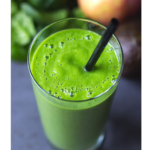
A morning drink can support weight loss, but it cannot switch the body into a special “fat-burning mode” or dissolve stored fat on its own. Body fat decreases when total energy intake remains lower than energy use over time, supported by balanced meals, physical activity, adequate sleep and consistent habits. Lemon, ginger, mint and honey may improve flavour, but drinking them on an empty stomach does not create a unique metabolic advantage. Honey also contributes sugar and calories, so routinely adding it may work against the purpose of a low-calorie drink. Healthy eating, movement and sustainable behaviour changes remain the foundations of effective weight management. (NIDDK)
The lemon-and-ginger drink shown in the image can be useful when it replaces sweetened tea, juice or another calorie-containing beverage. However, meaningful fat loss should be assessed over eight to twelve weeks. Changes seen during the first few days are usually related to hydration, digestive contents, salt intake or appetite—not rapid fat loss.

Remedy 1: Pre-Breakfast Citrus and Mint Water
Ingredients
- Plain water: 400–500 millilitres
- Cucumber: 4 thin slices
- Fresh mint leaves: 5
- Fresh ginger: 1 thin slice
- Lemon peel: 1 small strip
- Ceylon cinnamon: 1 small pinch
Scientific Working of Each Ingredient
Water is the main evidence-supported part of this drink. Randomized trials found that drinking approximately 500 millilitres of water before meals produced modestly greater weight loss when combined with a calorie-controlled eating plan. The likely reason is increased stomach volume and fullness, which may reduce food intake—not direct stimulation of fat breakdown. (PubMed)
Cucumber and mint improve taste with very few calories, making plain water easier to choose instead of sugary beverages.
Ginger contributes flavour and bioactive gingerols, but the small quantity used in an infusion should not be treated as equivalent to the measured supplements used in weight-management trials.
Lemon peel adds aroma without requiring honey or sugar. It also exposes the teeth to less acid than a strongly concentrated lemon drink.
Cinnamon makes the water taste naturally sweeter. Meta-analyses of cinnamon supplementation have reported small changes in certain obesity measurements, but study doses were much greater and more controlled than a culinary pinch. (PubMed)
Procedure
Place all ingredients in the water and allow them to infuse for 10–15 minutes. Drink slowly about 20–30 minutes before breakfast. Do not force the full amount when it causes nausea, fullness or discomfort.
How Often to Drink
Drink once every morning for five days. Continue for eight to twelve weeks if it is comfortable and medically appropriate.
Initial Results
You may feel fuller before breakfast from the first day. Any rapid scale change is more likely to represent water fluctuation than body-fat reduction.
Remedy 2: Green Tea, Ginger and Cardamom Infusion
Ingredients
- Plain green tea: 1 tea bag or 1 teaspoon leaves
- Hot water: 250 millilitres
- Fresh ginger: ¼ teaspoon, grated
- Green cardamom: 1 pod, lightly crushed
- Fresh mint leaves: 3
- Lemon juice: ½ teaspoon
Scientific Working of Each Ingredient
Green tea supplies catechins and caffeine that may slightly increase energy expenditure and fat oxidation. Some meta-analyses have reported small reductions in body weight, while a Cochrane review concluded that the average effect was too small to be clinically important for many people. Its most dependable advantage is replacing a sweetened morning beverage. (PubMed)
Ginger, cardamom and mint make the tea flavourful without sugar. They may also improve digestive comfort for some people, although they do not independently melt fat.
Lemon juice provides acidity and flavour. It does not detoxify the liver or selectively reduce belly fat.
Traditionally brewed tea is safer than concentrated green-tea extract supplements. High-dose extracts have been associated with liver abnormalities and should not be treated like an ordinary cup of tea. (Office of Dietary Supplements)
Procedure
Steep the green tea, ginger and cardamom for two to three minutes. Remove the tea bag or strain the leaves. Add mint and lemon after the tea has cooled slightly. Drink it without honey or sugar.
How Often to Drink
Drink once daily for five days, preferably earlier in the morning. Continue for up to twelve weeks if caffeine is well tolerated.
Initial Results
Alertness may improve after the first serving, and morning sugar intake may decrease immediately. Visible fat loss should not be expected within one to three days.
Remedy 3: Protein-Rich Berry and Oat Breakfast Drink
Ingredients
- Plain Greek-style yogurt: ¾ cup
- Mixed berries: ½ cup
- Rolled oats: 2 tablespoons
- Ground flaxseed: 1 teaspoon
- Ceylon cinnamon: ¼ teaspoon
- Water: ½ cup
Scientific Working of Each Ingredient
Plain yogurt supplies protein, which generally promotes greater fullness than a low-protein breakfast. Randomized research has found that protein-rich breakfasts can reduce hunger and improve satiety before lunch, although they do not guarantee lower calorie intake for every person. (PubMed)
Rolled oats contain soluble beta-glucan fibre. Controlled studies found that oatmeal produced greater fullness and reduced subsequent food intake compared with lower-viscosity breakfast cereal. (PubMed)
Berries provide fibre, water and natural sweetness, reducing the need for refined sugar.
Ground flaxseed supplies fibre and alpha-linolenic acid. A meta-analysis of 45 randomized trials reported modest reductions in body weight, BMI and waist circumference with flaxseed supplementation, although a teaspoon in a smoothie is less than many trial doses. (PubMed)
Cinnamon improves taste without syrup, while water controls thickness without adding calories.
Procedure
Blend all ingredients until smooth. Drink slowly and use it as the complete breakfast. Do not consume it alongside pastries, fried food or another full breakfast.
How Often to Drink
Use as breakfast once daily for three to five days. Continue three to five mornings weekly for eight to twelve weeks.
Initial Results
Fullness may improve after the first serving. Mid-morning hunger and snack cravings may decrease within one to three days.
Remedy 4: Plant-Based Soy, Flax and Apple Smoothie
Ingredients
- Unsweetened soy milk: 250 millilitres
- Rolled oats: 2 tablespoons
- Ground flaxseed: 1 tablespoon
- Apple with peel: ½ small apple
- Ceylon cinnamon: ¼ teaspoon
- Fresh ginger: ¼ teaspoon
- Water: ¼ cup
Scientific Working of Each Ingredient
Soy milk provides plant protein. A controlled breakfast study found that a higher-soy-protein meal increased fullness compared with a normal-protein version, although the effect of the protein source itself may be less important than total protein quantity. (PubMed)
Oats and apple peel supply fibre that increases meal volume and may slow eating and digestion.
Ground flaxseed creates a thicker texture and contributes soluble and insoluble fibre. Its weight-management effect, when observed in trials, was modest and developed over weeks rather than days. (PubMed)
Cinnamon and ginger provide flavour without added sugar. They should remain culinary additions rather than being consumed in concentrated amounts.
Procedure
Blend the soy milk, oats, flaxseed, apple, cinnamon, ginger and water. Let the drink stand for five minutes so the fibre absorbs liquid.
Consume it as breakfast rather than as a drink added to a meal.
How Often to Drink
Drink once daily for five days. Continue three or four mornings weekly for two to three months.
Initial Results
The thicker texture may improve fullness during the first morning. Bowel movements may change as fibre intake increases, so begin with smaller portions if you are not accustomed to fibre-rich meals.
Remedy 5: Unsweetened Coffee and Cocoa Breakfast Shake
Ingredients
- Freshly brewed coffee: 100 millilitres, cooled
- Plain unsweetened yogurt: ½ cup
- Rolled oats: 2 tablespoons
- Unsweetened cocoa powder: 1 teaspoon
- Banana: ¼ small fruit
- Ceylon cinnamon: 1 pinch
- Cold water: ½ cup
Scientific Working of Each Ingredient
Coffee provides caffeine, which can temporarily increase alertness, energy expenditure and fat oxidation. A meta-analysis of randomized trials reported modest associations between caffeine intake and reductions in weight-related measurements, but caffeine is not an effective stand-alone weight-loss treatment. (PubMed)
Yogurt contributes protein, while oats provide beta-glucan fibre. Together, they make the drink more filling than black coffee or sweet coffee alone.
Cocoa and cinnamon add flavour without sugar. Banana provides mild sweetness, so only a small amount is required.
The shake is useful only when it replaces a sweet coffee and breakfast—not when it is consumed in addition to them.
Procedure
Blend all ingredients until smooth. Drink with or as breakfast. Avoid adding honey, sugar, cream or flavoured syrup.
How Often to Drink
Use once daily for three to five mornings. Continue up to four mornings weekly when caffeine is well tolerated.
Initial Results
You may feel more alert and satisfied after breakfast from the first day. Stop or reduce caffeine if it causes anxiety, shaking, palpitations, reflux or disturbed sleep. Most healthy adults should keep total daily caffeine below approximately 400 milligrams. (Office of Dietary Supplements)
Is Drinking on an Empty Stomach Necessary?
No. A drink does not burn more fat simply because the stomach is empty. Water may be consumed before breakfast to support fullness, while protein and fibre smoothies should be treated as the breakfast itself. People with reflux, gastritis or nausea may tolerate ginger, coffee, green tea and citrus better after food rather than before it.
Final Tips for Safe Weight Loss
Choose one recipe at a time instead of drinking several weight-loss beverages in one morning. More drinks do not produce faster results and may cause acidity, excessive caffeine, bloating or unwanted calories.
Avoid detox teas, laxative drinks and stimulant powders. The NIH reports that there is little scientific evidence that most weight-loss supplements work, and some may contain unsafe or undisclosed ingredients. (Office of Dietary Supplements)
Track body weight no more than once or twice weekly under similar conditions. Include regular walking or another aerobic activity and perform muscle-strengthening exercise when medically appropriate.
Diet Plan to Use with the Morning Drinks
Breakfast: Select one complete protein or plant-based smoothie, or drink the infused water or tea with eggs, lentils, plain yogurt or another protein-rich meal.
Lunch: Fill half the plate with vegetables, one quarter with protein such as beans, lentils, fish or chicken, and one quarter with brown rice, potatoes or whole-grain bread.
Snack: Choose whole fruit, plain yogurt, roasted chickpeas or a small portion of nuts instead of biscuits, chips and sugary drinks.
Dinner: Eat a moderate portion of protein with vegetables and a smaller whole-grain serving. Limit deep-fried meals, creamy sauces and large late-night portions.
Continue the drink, balanced diet and activity plan for eight to twelve weeks. Consult a doctor or registered dietitian when weight continues increasing despite consistent changes, when substantial weight loss is required, or when you have diabetes, kidney disease, liver disease, heart disease, pregnancy, breastfeeding, reflux or an eating disorder. Seek prompt medical care for unexplained rapid weight change, persistent vomiting, severe weakness, fainting or abdominal pain.
References for the above remedy
- National Institute of Diabetes and Digestive and Kidney Diseases. Treatment for Overweight and Obesity.
https://www.niddk.nih.gov/health-information/weight-management/adult-overweight-obesity/treatment - Parretti HM, et al. Efficacy of Water Preloading Before Main Meals as a Weight-Loss Strategy.
https://pubmed.ncbi.nlm.nih.gov/26237305/ - Jurgens TM, et al. Green Tea for Weight Loss and Weight Maintenance in Overweight or Obese Adults.
https://pubmed.ncbi.nlm.nih.gov/23235664/ - Leidy HJ, et al. Beneficial Effects of a Higher-Protein Breakfast on Appetite Control.
https://pubmed.ncbi.nlm.nih.gov/23446906/ - Rebello CJ, et al. Instant Oatmeal Increases Satiety and Reduces Energy Intake.
https://pubmed.ncbi.nlm.nih.gov/26273900/ - Mohammadi-Sartang M, et al. Effect of Flaxseed Supplementation on Body Weight and Body Composition.
https://pubmed.ncbi.nlm.nih.gov/28635182/ - Veldhorst MAB, et al. Effects of High and Normal Soy-Protein Breakfasts on Satiety.
https://pubmed.ncbi.nlm.nih.gov/19142569/ - Tabrizi R, et al. Effects of Caffeine Intake on Weight Loss.
https://pubmed.ncbi.nlm.nih.gov/30335479/ - Mousavi SM, et al. Cinnamon Supplementation and Obesity Measurements.
https://pubmed.ncbi.nlm.nih.gov/30799194/ - National Institutes of Health, Office of Dietary Supplements. Dietary Supplements for Weight Loss.
https://ods.od.nih.gov/factsheets/WeightLoss-Consumer/