Summer heat, perspiration, frequent showers, sun exposure and air-conditioning can leave body skin looking dry, uneven or dull. A healthy “body glow” does not require bleaching the skin or changing its natural colour. It usually comes from a well-hydrated skin barrier, smoother surface texture and consistent protection from ultraviolet radiation. Applying a suitable moisturizer while the skin is still slightly damp after showering helps trap water and makes the surface look softer and more luminous. (American Academy of Dermatology)
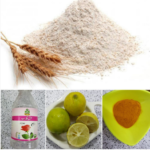
The orange shown in the image should be included in the diet rather than rubbed on the body. Citrus juice can irritate the skin, and exposure to sunlight after citrus contact may cause phytophotodermatitis, which can produce redness, blistering and lingering dark pigmentation. The following remedies therefore use gentler ingredients chosen according to skin type. (DermNet®)
Clinical evidence supports several individual ingredients used below for hydration, barrier protection or relief of dryness. However, these exact homemade combinations have not been tested as complete clinical formulations. Prepare only enough for one application, use the mixture immediately and patch-test every remedy before applying it over a large area.

Remedy 1: For Normal Skin
Aloe, Green Tea and Jojoba Post-Shower Glow Treatment
This lightweight treatment provides both water-based hydration and a small amount of protective oil, making it suitable for body skin that is neither excessively oily nor very dry.
Ingredients and Scientific Benefits
- 2 tablespoons clear inner-leaf aloe vera gel: Helps improve surface hydration through a humectant effect.
- 1 tablespoon strongly brewed and cooled green tea: Supplies antioxidant polyphenols that may help reduce ultraviolet-related oxidative stress.
- 1 teaspoon colloidal oatmeal: Supports the moisture barrier and reduces surface roughness.
- ¼ teaspoon vegetable glycerin: Draws water into the outer skin layer.
- ½ teaspoon sunflower seed oil: Helps preserve barrier integrity and reduce moisture loss.
- ¼ teaspoon jojoba oil: Contains wax esters that soften the skin without creating an excessively heavy finish.
How the Ingredients Work Scientifically
Aloe-containing formulations have demonstrated measurable improvements in skin hydration. Glycerin binds water within the outer layer, while sunflower and jojoba oils provide emollient lipids that reduce evaporation. Colloidal oatmeal improves dryness, scaling and rough texture. Green-tea extracts have antioxidant and photoprotective activity, although brewed tea cannot replace sunscreen. (PubMed)
Procedure
- Take a short shower using lukewarm rather than very hot water.
- Pat the skin gently, leaving the arms and legs slightly damp.
- Mix the aloe gel, green tea, oatmeal and glycerin.
- Add both oils and whisk thoroughly.
- Spread a thin layer over the arms, legs and shoulders.
- Leave it on for 10 minutes.
- Rinse very lightly or wipe away excess mixture with a damp, soft cloth.
How Often to Apply
Apply once daily after showering for five days. Make a fresh portion every time and never store the water-based mixture.
Initial Results
Within one to three days, normal skin may feel softer and appear smoother. Better hydration may create a subtle glow, but the remedy will not lighten the natural skin tone.
Remedy 2: For Combination Skin
Two-Zone Oat, Aloe and Kaolin Body Treatment
Combination body skin may feel oily across the chest and upper back while the elbows, knees and lower legs remain dry. This two-zone method treats both concerns without applying clay to already dry areas.
Ingredients and Scientific Benefits
- 2 tablespoons aloe vera gel: Provides lightweight hydration.
- 1 tablespoon cooled green tea: Offers antioxidant and calming polyphenols.
- 1 teaspoon colloidal oatmeal: Supports both dry and oil-prone areas.
- ¼ teaspoon diluted vegetable glycerin: Helps retain moisture.
- 1 teaspoon cosmetic-grade kaolin clay: Absorbs excess surface oil.
- ½ teaspoon sunflower seed oil: Protects dry areas from water loss.
How the Ingredients Work Scientifically
Kaolin clay can remove excess oil from the surface, producing a temporary smoother and more matte appearance. It should not be placed over dry skin or allowed to harden completely. Oatmeal, aloe and glycerin maintain hydration, while sunflower oil supports drier areas. Research comparing common plant oils found that sunflower oil preserved barrier integrity and improved hydration, whereas olive oil weakened the barrier in the same study. (PubMed)
Procedure
- Mix the aloe, green tea, oatmeal and glycerin.
- Divide the mixture equally between two clean bowls.
- Add kaolin clay to the first bowl for the chest, upper back and other oily areas.
- Add sunflower oil to the second bowl for elbows, knees and dry legs.
- Apply both mixtures to their appropriate areas while the skin is damp.
- Leave them on for five to seven minutes.
- Rinse before the clay becomes completely dry or starts cracking.
How Often to Apply
Use the complete treatment on alternate days for five days. The oil-based portion may be applied daily to dry areas when needed.
Initial Results
The chest and upper back may look less shiny after the first application. Dry areas may feel more comfortable within two or three days, creating a more balanced body-skin appearance.
Remedy 3: For Oily or Body-Acne-Prone Skin
Oil-Free Green Tea and Oat Smoothing Gel
This non-greasy treatment is suitable for skin that becomes sweaty, oily or congested during summer. It does not contain heavy oils that may feel uncomfortable on the chest or back.
Ingredients and Scientific Benefits
- 1 tablespoon clear aloe vera gel: Creates a lightweight hydrating base.
- 1 tablespoon cooled green tea: Supplies antioxidant and anti-inflammatory catechins.
- 1 teaspoon colloidal oatmeal: Reduces roughness without abrasive scrubbing.
- ½ teaspoon cosmetic-grade kaolin clay: Absorbs excess surface sebum.
- ¼ teaspoon vegetable glycerin: Helps prevent dehydration.
- 1 tablespoon boiled and cooled water: Dilutes the ingredients and creates a spreadable consistency.
How the Ingredients Work Scientifically
Oily skin can still become dehydrated after repeated bathing, sweating and harsh cleansing. Glycerin and aloe supply lightweight hydration, while oatmeal helps protect the barrier. Kaolin temporarily reduces surface shine, and topical green-tea preparations have demonstrated benefits for oil-related acne concerns. Homemade green tea is much less standardized than a tested extract, so it should be viewed as supportive care rather than acne treatment. (PubMed)
Procedure
- Mix the oatmeal and kaolin clay in a clean bowl.
- Add the aloe gel and cooled green tea.
- Stir in the diluted glycerin and enough water to form a thin gel.
- Apply it over oily areas such as the upper back, shoulders and chest.
- Leave it on for five minutes.
- Rinse while the mixture is still slightly damp.
- Pat the skin dry without rubbing.
How Often to Apply
Apply on alternate evenings for three to five days. Do not use a clay treatment every day because excessive oil removal can increase dryness and irritation.
Initial Results
Surface shine may decrease after the first application. Within two or three uses, the skin may feel smoother and less sticky, but persistent body acne requires a proper acne-care routine.
Remedy 4: For Dry Skin
Honey, Coconut and Oat Moisture-Sealing Treatment
Dry summer skin can look ashy, flaky and less radiant, especially after swimming, air-conditioning or frequent showers. This richer remedy combines water-attracting ingredients with emollient oils.
Ingredients and Scientific Benefits
- 1 tablespoon colloidal oatmeal: Helps relieve dryness, roughness and irritation.
- 1 tablespoon aloe vera gel: Provides water-based hydration.
- 1 teaspoon pure honey: Forms a moisture-retaining film.
- ¼ teaspoon vegetable glycerin: Attracts water into the outer layer.
- 1 teaspoon virgin coconut oil: Softens dry skin and reduces moisture loss.
- 1 teaspoon sunflower seed oil: Supports the protective lipid barrier.
How the Ingredients Work Scientifically
A randomized controlled trial found virgin coconut oil effective as a moisturizer for mild to moderate dry skin. Sunflower oil helps preserve the skin barrier, while colloidal oatmeal has clinically demonstrated improvements in dryness, scaling and roughness. Honey can support a moist surface, but ordinary kitchen honey should only be used on intact skin—not on infected, bleeding or severely cracked areas. (PubMed)
Procedure
- Mix the aloe, honey and glycerin.
- Stir in the colloidal oatmeal.
- Melt the coconut oil between clean fingertips if it is solid.
- Add the coconut and sunflower oils to the mixture.
- Apply a thin layer to damp arms, legs, elbows and knees.
- Leave it on for 10–12 minutes.
- Rinse lightly, leaving a small amount of the oil layer on the skin.
How Often to Apply
Apply once daily for five days. People who develop body breakouts should limit the oils to dry areas rather than applying them over the chest or back.
Initial Results
Tightness may improve after the first application. Flaking and an ashy appearance may begin decreasing within one to three days, allowing the skin to reflect light more evenly.
Remedy 5: For Sensitive Skin
Minimal Colloidal Oat and Sunflower Body Compress
Sensitive skin requires a short ingredient list without citrus, perfume, flowers, essential oils or aggressive exfoliation. This treatment focuses on calming and barrier protection rather than fragrance or temporary shimmer.
Ingredients and Scientific Benefits
- 2 tablespoons boiled and cooled water: Creates a simple fragrance-free base.
- 1 tablespoon colloidal oatmeal: Helps soothe irritation and improve barrier function.
- ⅛ teaspoon vegetable glycerin: Adds gentle humectant hydration when diluted.
- ½ teaspoon sunflower seed oil: Helps reduce water loss.
- ¼ teaspoon jojoba oil: Softens the skin with lightweight wax esters.
How the Ingredients Work Scientifically
Colloidal oatmeal has antioxidant and anti-inflammatory activity and has improved dryness, roughness and itching in clinical studies. Sunflower oil supplies barrier-supporting lipids, while glycerin improves water retention. Jojoba oil is widely used as an emollient, although evidence for specific medical benefits is less extensive than the evidence for oatmeal and glycerin. (PubMed)
Procedure
- Mix the colloidal oatmeal with boiled and cooled water.
- Add the glycerin and stir thoroughly.
- Soak a soft, clean cotton cloth in the mixture.
- Press the cloth gently over sensitive areas for five minutes.
- Rinse and leave the skin slightly damp.
- Mix the sunflower and jojoba oils.
- Press a very small quantity over the damp skin without vigorous massage.
How Often to Apply
Use once daily for three days. Continue for up to five days only when no burning, itching, swelling or increased redness occurs.
Initial Results
The skin may feel less tight within one or two days. Reduced dryness and irritation can make it look smoother, but discontinue the remedy if discomfort increases.
Final Tips for a Lasting Summer Body Glow
Take short showers with lukewarm water and apply your chosen treatment within approximately five minutes of bathing. Hot water and prolonged bathing remove protective oils and can worsen dryness. (American Academy of Dermatology)
Apply broad-spectrum, water-resistant SPF 30 or higher to exposed areas every morning. Reapply during prolonged outdoor exposure, swimming or heavy sweating. Natural oils, aloe and green tea are not substitutes for sunscreen.
Avoid lemon, orange juice, baking soda, undiluted essential oils and rough coffee or sugar scrubs. These may irritate the skin and contribute to inflammation or uneven pigmentation. Do not apply homemade treatments to sunburned, infected, freshly waxed, freshly shaved or broken skin.
Keep towels, bowls and applicators clean. Wear breathable clothing, shower after heavy sweating and patch-test each mixture for 24 hours. Drink fluids regularly and obtain adequate sleep.
Visible improvements in softness and surface glow may begin within two or three days. Continued moisturization may make fine dehydration lines less noticeable over two to four weeks, but home remedies cannot eliminate true wrinkles, stretch marks or skin laxity.
Diet Plan for Healthy, Glowing Body Skin
Follow this balanced eating pattern for at least four to eight weeks. Food supports normal skin function, but no juice, fruit or detox plan can instantly brighten the entire body.
Breakfast: Eat eggs, unsweetened yogurt, lentils or tofu with whole-grain bread or oats. Add a vitamin-C-rich fruit such as guava, kiwi, berries, papaya or orange.
Lunch: Choose fish, chicken, chickpeas, beans or lentils with brown rice or whole-grain bread. Include leafy greens, tomatoes, carrots and other colourful vegetables.
Evening snack: Have a small serving of almonds, walnuts, pumpkin seeds or sunflower seeds with fresh fruit.
Dinner: Eat a protein source such as fish, chicken, tofu or beans with cooked vegetables and salad.
Vitamin C is required for normal collagen production, while sufficient dietary protein provides amino acids used in tissue maintenance. Obtain nutrients through a varied diet rather than taking high-dose supplements without medical advice. (Office of Dietary Supplements)
Continue the selected home remedy for three to five days, then maintain daily post-shower moisturization and sun protection. Consult a doctor or dermatologist if dryness, itching, rashes, cracking, dark patches or body acne persist, spread or become painful.
References for the above remedy
- American Academy of Dermatology Association. “Dermatologists’ Top Tips for Relieving Dry Skin.”
https://www.aad.org/public/everyday-care/skin-care-basics/dry/dermatologists-tips-relieve-dry-skin - American Academy of Dermatology Association. “12 Summer Skin Problems You Can Prevent.”
https://www.aad.org/public/everyday-care/skin-care-secrets/routine/prevent-summer-skin-problems - Ilnytska O, et al. “Colloidal Oatmeal Improves Skin Barrier Through Multi-Therapy Activity.”
https://pubmed.ncbi.nlm.nih.gov/27272074/ - Danby SG, et al. “Effect of Olive and Sunflower Seed Oil on the Adult Skin Barrier.”
https://pubmed.ncbi.nlm.nih.gov/22995032/ - Dal’Belo SE, et al. “Moisturizing Effect of Cosmetic Formulations Containing Aloe Vera Extract.”
https://pubmed.ncbi.nlm.nih.gov/17026654/ - Fluhr JW, Darlenski R, Surber C. “Glycerol and the Skin: Holistic Approach to Its Origin and Functions.”
https://pubmed.ncbi.nlm.nih.gov/18510666/ - Agero ALC, Verallo-Rowell VM. “A Randomized Double-Blind Controlled Trial Comparing Extra Virgin Coconut Oil with Mineral Oil as a Moisturizer.”
https://pubmed.ncbi.nlm.nih.gov/15724344/ - Pazyar N, et al. “Jojoba in Dermatology: A Succinct Review.”
https://pubmed.ncbi.nlm.nih.gov/24442052/ - Elmets CA, et al. “Cutaneous Photoprotection from Ultraviolet Injury by Green Tea Polyphenols.”
https://pubmed.ncbi.nlm.nih.gov/11209110/ - National Institutes of Health, Office of Dietary Supplements. “Vitamin C: Fact Sheet for Health Professionals.”
https://ods.od.nih.gov/factsheets/VitaminC-HealthProfessional/